OEM Consumer Electronic Housing, Support Injection Tooling Manufacturer Supplier, Company

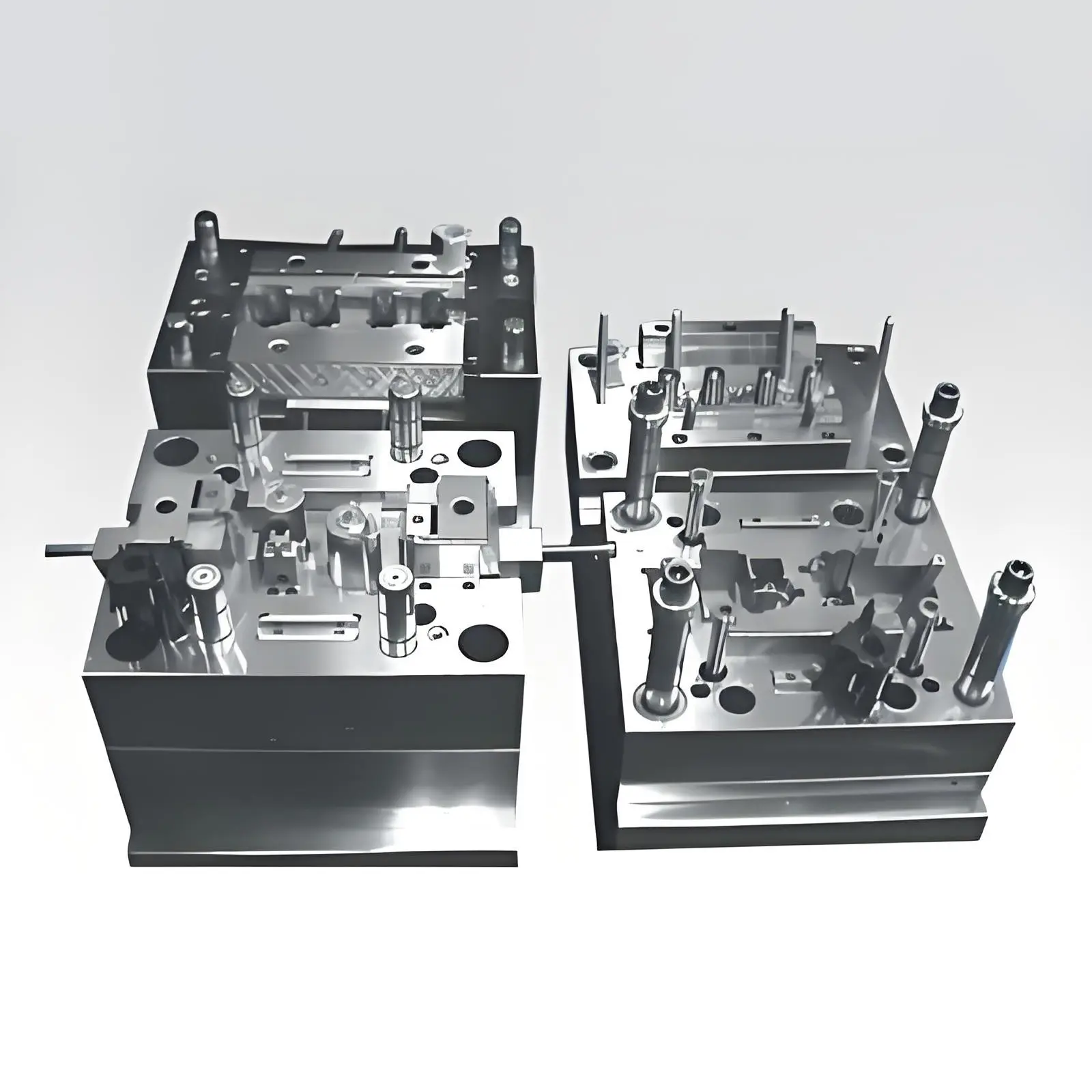
When you think about consumer electronics, the first thing that often grabs your attention is the product’s housing—like, who wouldn’t notice the sleek look of a smartphone or the sturdy vibe of a tough speaker? The way these housings are made is super important, not just for good looks but also for making sure the gadgets last. And this is where injection tooling manufacturers step onto the scene, playing a key role in shaping these cool, intricately designed housings.

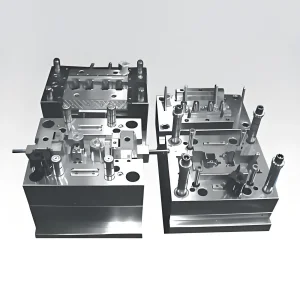
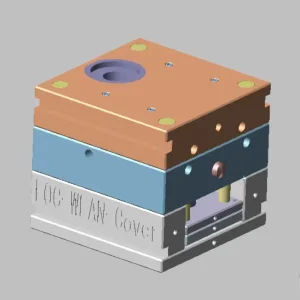
So, what’s injection tooling all about? Essentially, it’s all about making moulds that help produce different parts and products. This process is super crucial in the consumer electronics housing, especially with the growing appetite for high-quality, complex, and eye-catching components. That’s why tooling manufacturers team up closely with electronics companies—together, they ensure these product housings don’t just hit the industry benchmarks but also have that cutting-edge design that really draws in consumers.

Product Description

Project Description

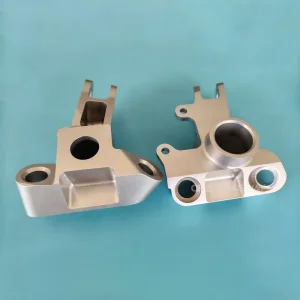
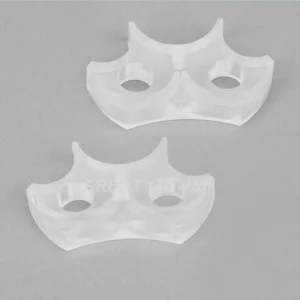
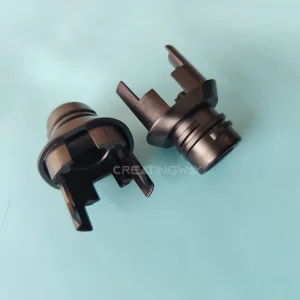
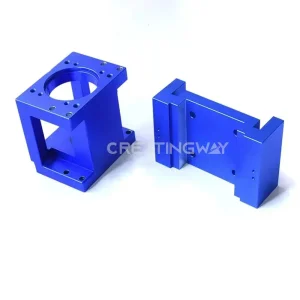
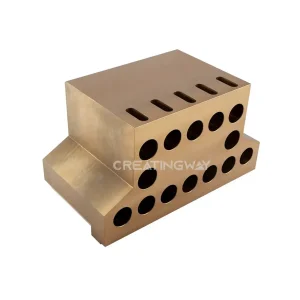
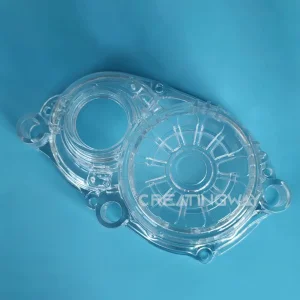
  • Top and bottom case, support and metal components.
  • Material: ABS, 6061 and 6063 aluminum.
  • Finishing: Plastic parts with polishing then silk-screen Logo and letters, and aluminum parts with anodizing.
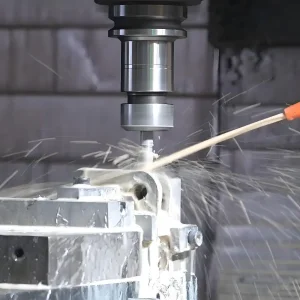
  • Parts machining process: Injection tooling, extrusion tooling, CNC machining, turning and surface finishing.
  • Parts size: 150*50*25mm.

Production Capability For Consumer Electronic Housing

  • Own 5 sets 5-axis CNC machining centers, 8 3+2 axis CNC milling machines, 10 sets 3 axis CNC machining.
  • 2 sets slow-EDM, 2 sets larger Lathe, and 2 sets grinding machines under 0.005mm tight tolerance.
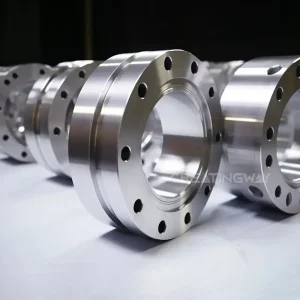
  • Secondary finishing including anodizing, power coating and more.

Project Challenges & Solutions

The main challenge is the product appearance and tolerance. We conduct 100% inspections and provide full dimension reports. Facilities are used to inspect parts individually to ensure zero deformation and color consistency. Assembly testing is performed using electronic components provided by the client. Delivery is streamlined to achieve 500 sets within 25 days.

Our engineering team performs a production feasibility analysis before manufacturing begins. For plastic parts, we provide DFM reports, Tooling layouts, and mold flow analysis to ensure first-shot success. For metal parts, CNC program simulation ensures tool path accuracy.

How To Make The Whole Project

Our team conducts a careful design overview to suggest improvements and create DFM reports. For plastic tooling, we follow a rigorous 5-step process:
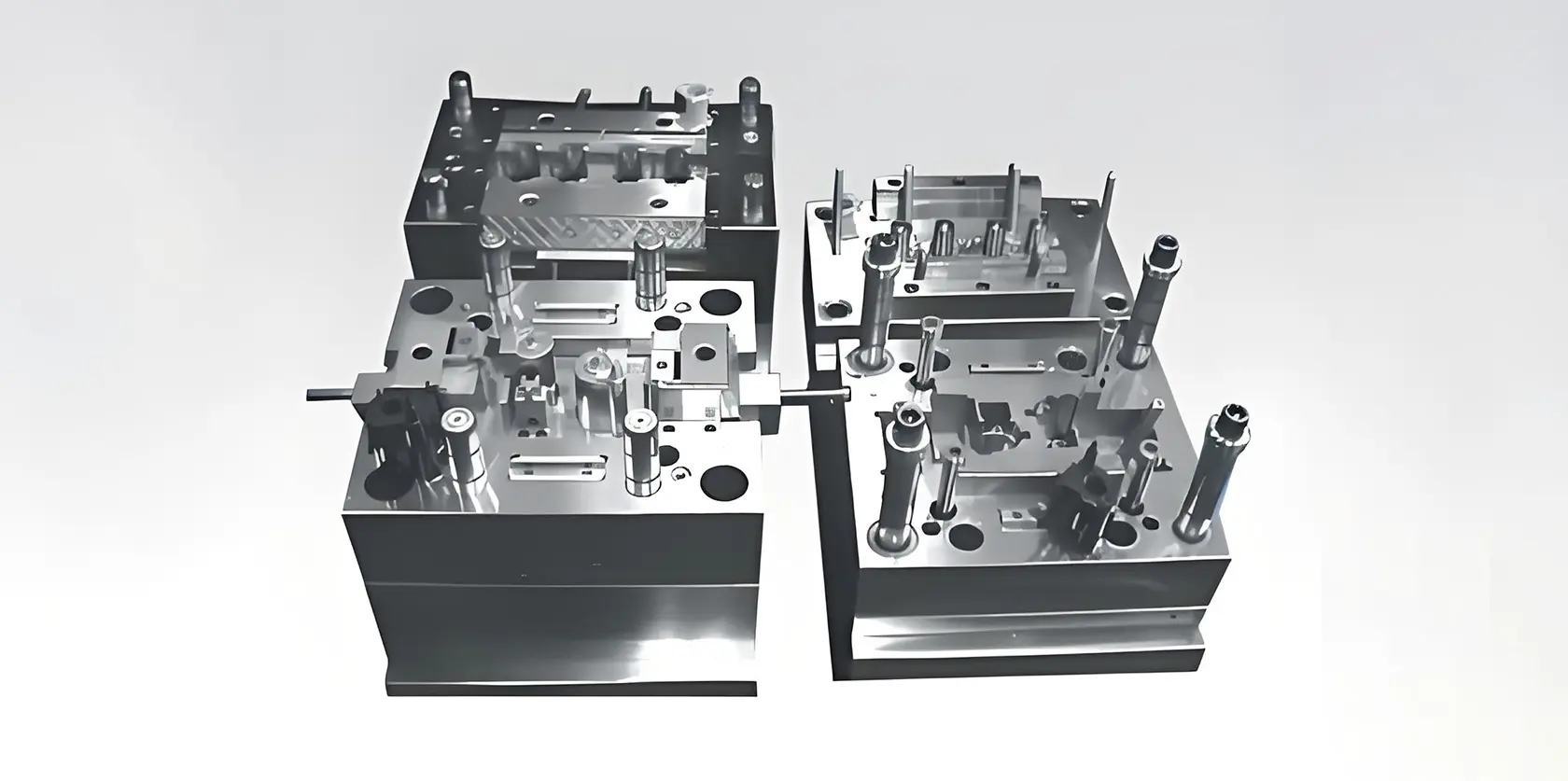
  1. DFM report and mold flow analysis before tooling.
  2. Engineering review and production process revision.
  3. Workpiece mounting and machine setup adjustment.
  4. Continuous monitoring of production functions.
  5. Adjustment of cutting and casting programs as necessary.
Consumer Electronics Prototype

Injection Tooling & Surface Finishing

Consumer electronics often consist of complex plastic parts, metal parts, and electronic devices. During the prototype stage, we utilize 3D printing, CNC machining, or vacuum casting. Finishing options include anodizing, powder coating, and silk-screening.

Enclosure Production: For low-volume needs, we use 5-axis CNC machining followed by hard anodizing to protect the surface. Mass production is transitioned to plastic injection tooling for cost-effectiveness.

Customer Testimonials

"I have been impressed by the team every step of the way. The manufacturing process and product quality have been consistently excellent. Every detail was inspected, ensuring the housing was perfectly suitable for our electronic devices."

- David Chandel, Mechanical Engineer
Frequently Asked Questions

Q1: What materials are available for consumer electronic housings?
We typically work with ABS, PC, and various aluminum alloys like 6061 and 6063 to balance durability and weight.
Q2: How do you ensure tight tolerances for complex parts?
We use 5-axis CNC machining and high-precision grinding machines capable of maintaining tolerances within 0.005mm.
Q3: What is the typical lead time for a small production run?
For projects like 500 sets of electronic housings, our standard delivery time is approximately 25 days.
Q4: Can you handle both prototyping and mass production?
Yes, we use 3D printing and CNC for rapid prototyping and switch to injection tooling for cost-effective mass production.
Q5: What surface finishes do you provide?
Options include anodizing, hard anodizing, powder coating, silk-screen printing, and high-gloss polishing.
Q6: Do you provide quality inspection reports?
Yes, we provide 100% inspection for appearance and full dimension reports to ensure all parts meet specifications.

Related Products