Creatingtec
1 / 1
Production Capability For Medical Devices:
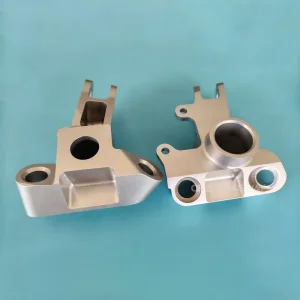
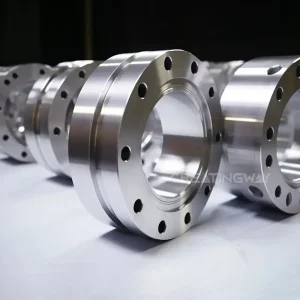
The main challenge is the product feature complexity. We machining surfaces one by one ensuring all parts assemble for functional purposes. Materials like titanium alloy are exceptionally hard, making machining difficult. Tolerance requirements are strictly under 0.01mm.
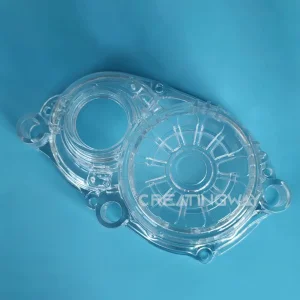
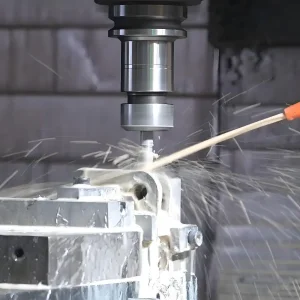
Our engineering team utilizes extended cutting tools, 5-axis, and 3+2 axis CNC milling. Features include multi-angle holes (25 holes in 10 different angles), microchannels (100 μm width), and thin-walled structures (0.55 mm). Undercut holes and grooves require precise concentricity control.
Deformation Control: Thin-walled parts are prone to deformation from cutting or clamping forces. We utilize flexible vise clamping and staged processing (coarse/semi-finish/finish). In medical accessories, we have optimized processes to reduce deformation rates from 5% to below 0.3%.
Quality Traceability: We maintain full lifecycle data recording, including material batches, processing parameters, and test reports to meet medical standards such as ISO 13485.
Cost and Efficiency: High-precision processing is time-intensive. We improve efficiency through automation and double workstation systems to offer competitive pricing without compromising quality.
We conduct careful design overviews and apply Positive Material Identification (PMI) to test alloy composition before fabrication.
5-Step CNC Prototyping:
Mirror EDM & Polishing: We use mirror EDM for minor undercut features where traditional milling cannot reach. The surface is then polished to meet aesthetic and assembly needs. Titanium and stainless steel parts undergo sonicleaning after machining.
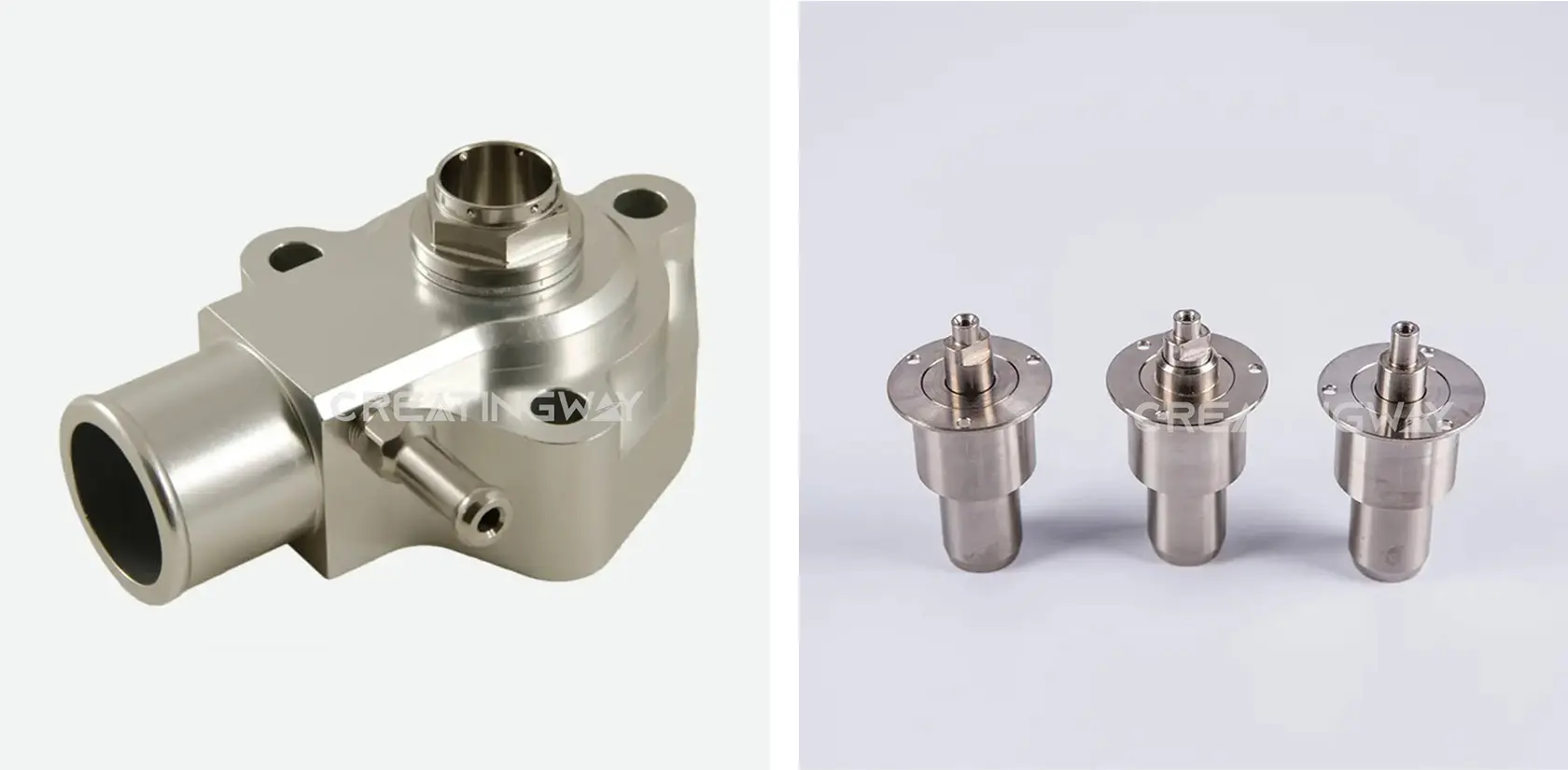
From rapid prototyping to volume production, we consider 5-axis linkage and turn-mill combinations for complex medical components. We provide customized solutions for quantities ranging from 1 piece to over 100 pieces.
Our dedicated team provides fast feedback and high-quality delivery. For any customized medical part inquiry, our engineers will discuss every production detail to ensure a cost-effective outcome that meets your exact expectations.
We ship parts for assembly and testing, following up on every detail to meet functional requirements. Our goal is to assist customers in creating effective products with controlled costs and reliable delivery times.
"The complex new products were delivered quickly and professionally. The prototypes met high standards and performed exceptionally during patent application testing."
Whether you have a rush order or highly complex parts, our team is ready to discuss your goals and provide an affordable quote with no minimum volume requirements.