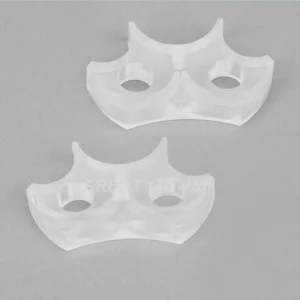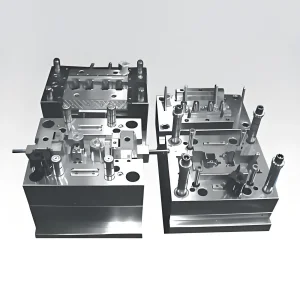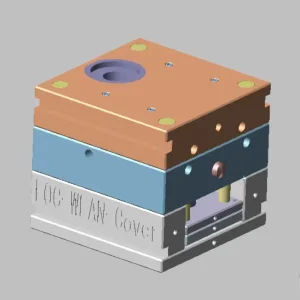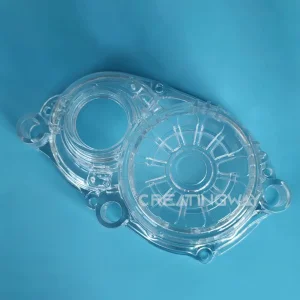
Specialized optical-grade component manufacturing with precision injection molding.
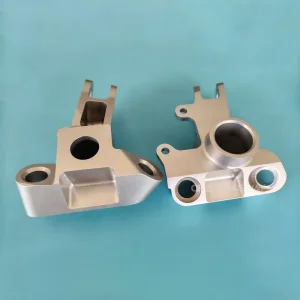
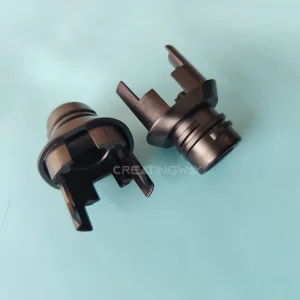
Aerospace-grade tolerance management for high-stress rotational components.
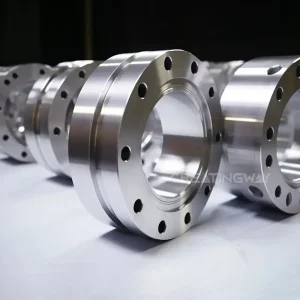
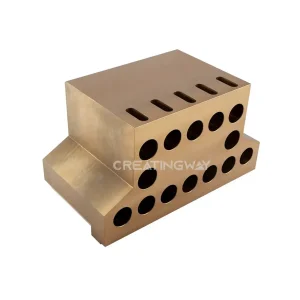
Scalable ODM solutions for next-gen electric vehicle (EV) infrastructure.
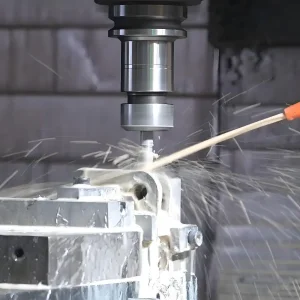
High-precision biocompatible material machining for surgical and diagnostic tools.
Ireland has evolved into a global powerhouse for high-tech industries, particularly in the MedTech, Pharmaceutical, and ICT sectors. With 9 of the top 10 global pharmaceutical companies and 14 of the top 15 medical technology firms maintaining significant operations in the country, the demand for high-precision sub-contract manufacturing has never been higher. This whitepaper analyzes how case studies in factory optimization and localized support are driving the "Celtic Phoenix" toward a new era of Industry 4.0.
The Irish industrial landscape is characterized by a unique blend of Indigenous SMEs and Foreign Direct Investment (FDI) giants. For global procurement officers, the challenge lies in finding partners who can bridge the gap between high-volume production and the rigorous regulatory standards of the European Medicines Agency (EMA) and the FDA. Case studies in this region highlight a significant shift toward DFM (Design for Manufacturing) integration at the earliest stages of R&D.
Current industrial data suggests that Irish manufacturing is pivoting toward "Smart Factories." By utilizing CNC machining and additive manufacturing (3D Printing), companies are reducing lead times for complex prototypes from weeks to mere days. The localization of supply chains, a direct response to global logistics volatility, has placed a premium on manufacturers who can offer "near-shoring" capabilities with global-scale cost efficiencies.
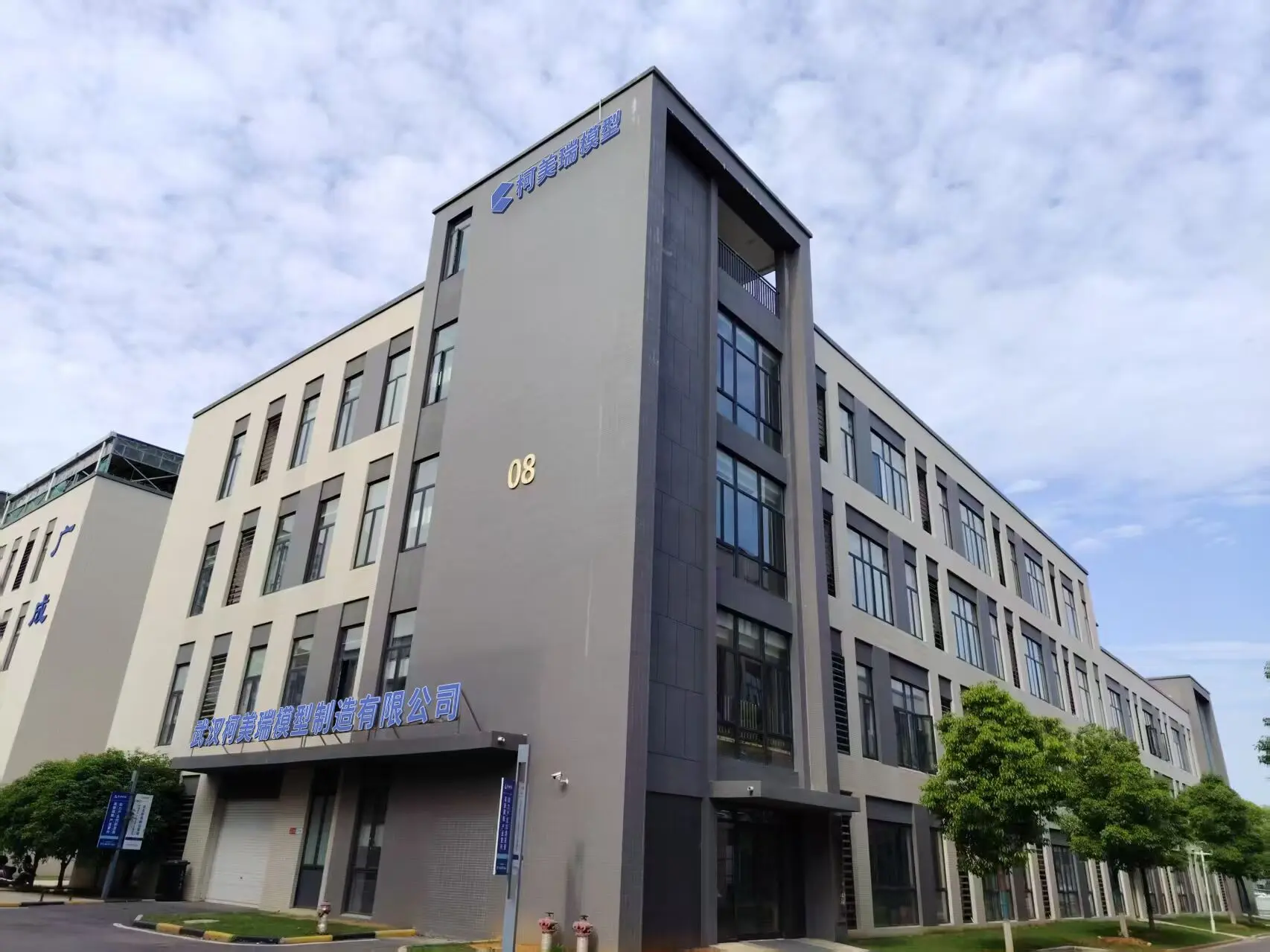
Creatingtec Manufacturing Limited was started by two experienced engineers with an extensive background in precision machining and mold tool manufacture. With an initial investment in two CNC machines, we quickly expanded our manufacturing capabilities to include CNC machining, injection molding, and a fully equipped sheet metal fabrication shop in our 2000m2 manufacturing facility.
We aim to delight our customers with a highly flexible low-volume manufacturing service that meets the rigorous demands of the Irish and global markets.
Request a Technical ConsultHigh precision, tight tolerance, flexible delivery. Prototype parts in 1-3 days. +/-0.02mm tolerance control.
High-volume production with rapid tooling options for consumer electronics and automotive housings.
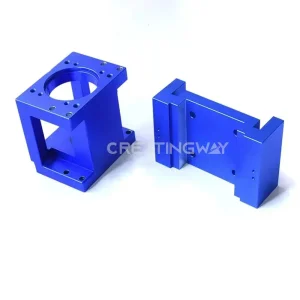
Specialized in electronic control housings and complex metal enclosures for thermal management.
As we look toward 2030, the technical roadmap for factories serving the Irish market focuses on three pillars: Sustainability, Autonomy, and Material Science.
Integration of machine learning algorithms to predict tool wear and prevent defects in CNC machining for aerospace shafts and medical components.
Transitioning to bio-based polymers in injection molding and closed-loop recycling for aluminum die-casting to meet EU Green Deal requirements.
Utilizing hybrid 3D printing and CNC processes to create patient-specific medical devices with zero setup time.
Global enterprises are no longer just looking for the lowest price; they are seeking Information Gain and supply chain transparency. A case study involving a leading Irish medical device firm showed that by switching to a manufacturer with integrated DFM and real-time tracking, they reduced their time-to-market by 35%.
Operating within the Irish market requires strict adherence to both local and international standards. Our factories provide full traceability and compliance support for:
Our localized support team provides real-time engineering consultations, ensuring that the "Case Studies Factory" approach isn't just a document, but a living partnership that adapts to the specific needs of Irish industrial clusters.
Standard lead times for high-precision prototypes range from 1 to 3 days for machining, with an additional 2-4 days for express international shipping to Dublin, Cork, or Galway hubs.
We provide full material certifications (CoC), dimensional inspection reports, and adhere to ISO 13485 standards, ensuring all parts meet the rigorous safety and quality requirements of the healthcare sector.
Yes, our facility is specifically optimized for high-flexibility, low-volume production. This allows Irish startups to scale from prototype to bridge production without the heavy overhead of traditional mass manufacturing.
We frequently work with Titanium, Inconel, and high-strength Aluminum alloys (7075-T6), providing the necessary stress-relief and surface treatments required for flight-critical shaft parts.
 Creatingtec