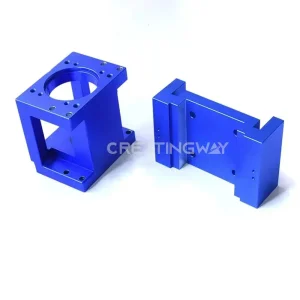
Explore our robust product line, featuring high-precision components manufactured to demanding tolerances for global aerospace, medical, and industrial sectors.
An authoritative analysis of user search intent and technical execution parameters in rapid metal forming.
Modern global procurement channels require more than basic bending services; they demand custom manufacturing solutions engineered to integrate seamlessly into complex mechanical assemblies. When procurement officers look for a qualified OEM Rapid Sheetmetal Supplier, their search intent encompasses several layers of technical assurance: quick turnaround DFM (Design for Manufacturability) analysis, strict geometric dimensioning and tolerancing (GD&T), structural load resilience, and surface compliance. Standardized, off-the-shelf parts cannot meet these specifications. Custom OEM services fill the void, providing custom tolerances, specialized structural brackets, and enclosures tailored to unique space allocations.
The speed at which prototypes move from a CAD schematic to physical assembly determines the product development cycle for sectors like robotics and electric vehicles. Digital manufacturing workflows enable sheet metal components to be cut, bent, and surface-finished in as little as 24 to 72 hours. This rapid deployment minimizes system integration bottlenecks, allowing physical stress testing and environmental compliance evaluations to occur earlier in the design pipeline.
Accurate sheet metal fabrication requires careful control of material deformation. Standard linear tolerances of +/-0.2mm and angular tolerances of +/-1.0 degree are standard in precision sheet metal manufacturing. In critical applications, such as aerospace electronic control unit (ECU) housings, precision press brake tooling and calibrated fiber lasers achieve tighter profiles. To ensure assembly fitment under extreme thermal cycles, designers must specify reference datums, flatness limits, and hole-to-bend relationships, preventing structural warping during post-press brake springback.
Strategic advantages of manufacturing in industrial hubs and sourcing materials locally.
China's sheet metal fabrication sector has transitioned from a labor-intensive industry to a digitized, automated ecosystem. Major manufacturing regions, including the Pearl River Delta and Yangtze River Delta, house integrated supply networks. Sourcing sheet metal components from China offers significant structural advantages:
| Material Spec | Yield Strength | Tensile Strength | Key Applications | Corrosion Resistance |
|---|---|---|---|---|
| Aluminum 5052-H32 | 193 MPa | 228 MPa | Marine enclosures, chassis, brackets | Excellent (High resistance to salt water) |
| Stainless Steel 304 | 215 MPa | 505 MPa | Medical hardware, food equipment | Very High (Resists chemical washdowns) |
| SECC (Galvanized Steel) | 250 MPa | 350 MPa | Consumer electronic internals, sub-panels | Moderate (Sacrificial zinc coating protection) |
| Copper C101 (Oxygen-Free) | 69 MPa | 220 MPa | EV Busbars, power distribution plates | Good (Requires anti-tarnish coating) |
By using these raw material networks and advanced processing setups, Chinese manufacturers compress lead times. For example, complex sub-assemblies requiring laser cutting, bending, insert installations (PEM fasteners), and welding are routinely delivered in a fraction of the time required by local fabricators in North America or Western Europe, lowering overall prototyping costs.
We aim to delight our customers with a highly flexible, low-volume manufacturing service. Creatingtec Manufacturing Limited was founded by two experienced engineers with extensive backgrounds in precision machining and mold tool manufacturing. Starting with an initial investment in two CNC machines, we quickly expanded our capabilities to include CNC machining, injection molding, and a fully equipped sheet metal fabrication shop in our 2000m² manufacturing facility.
Our manufacturing services support your innovation journey with professional prototyping and production solutions. We utilize mechanical machining technologies for rapid prototyping, mold making, and low-volume production, transforming your concepts into physical products quickly, accurately, and cost-effectively.
Contact Us For Quote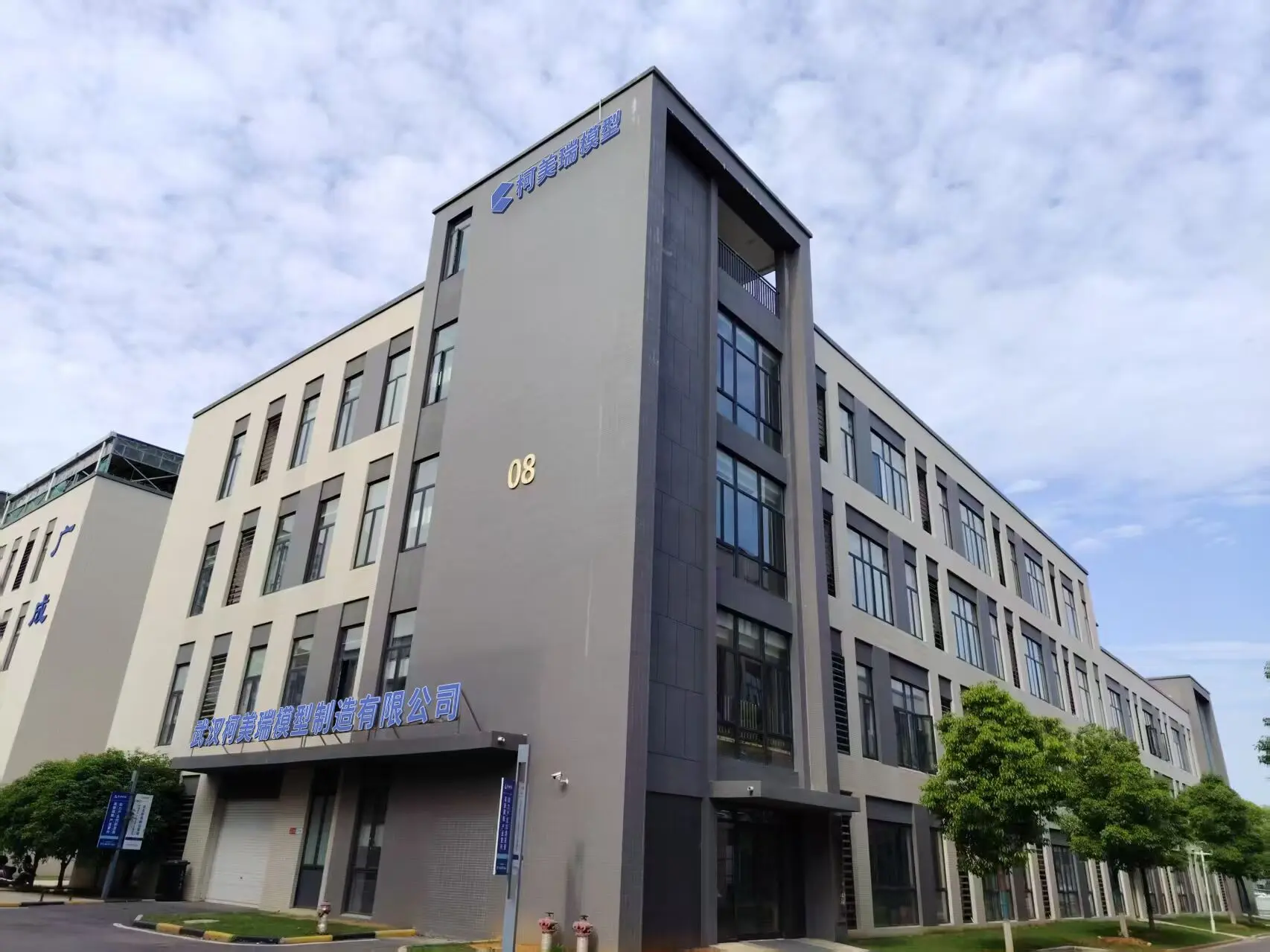
Our core engineering departments deliver high precision, tight tolerances, and flexible delivery options for global projects.
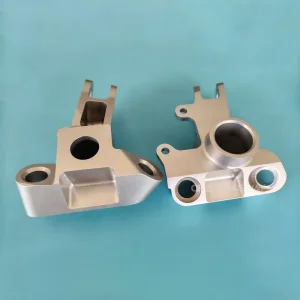
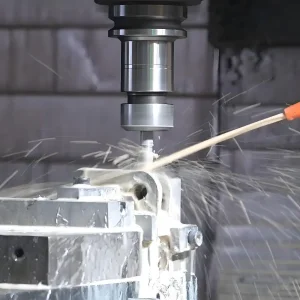
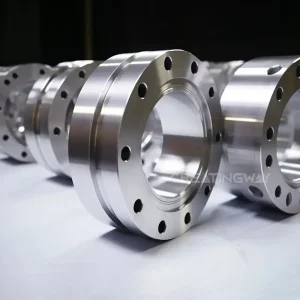
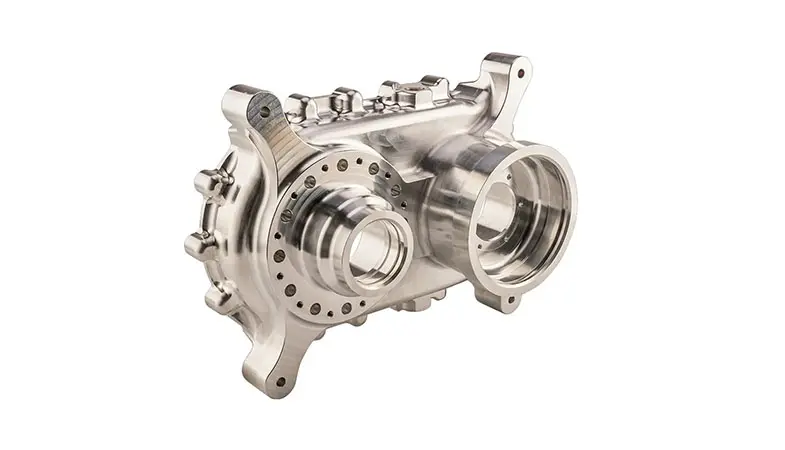
High-precision, tight-tolerance CNC machining. Prototype parts in 1-3 days, with powder plating and anodizing options in 4-5 days. High-volume, cost-efficient production maintaining tolerances down to +/-0.02mm.
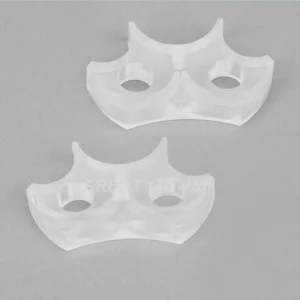
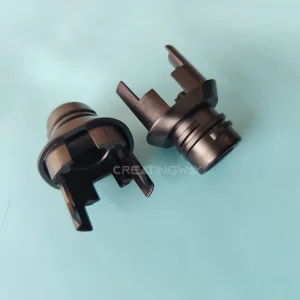
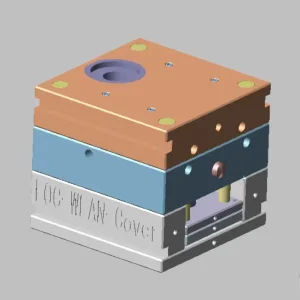
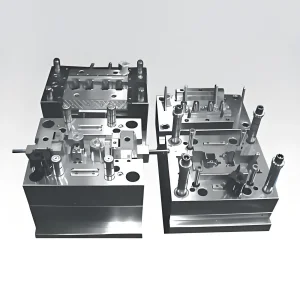
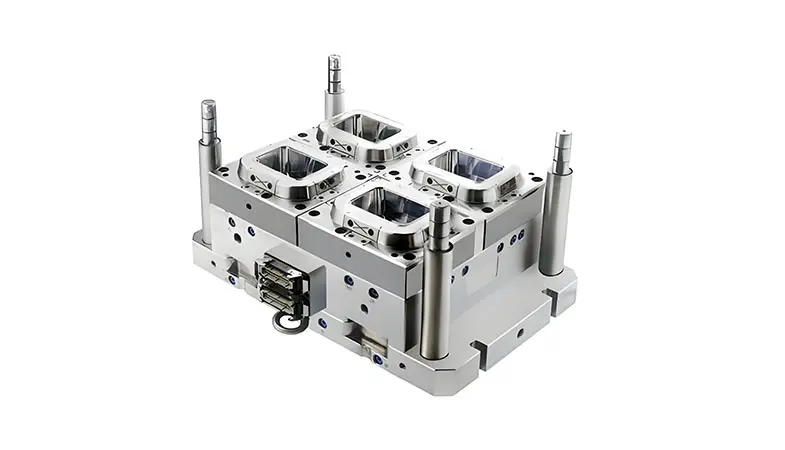
From high-tolerance tooling setups to high-volume injection molding. Providing production-grade resins and elastomers for durable consumer electronics and automotive enclosures.
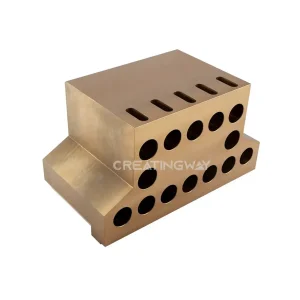
Aluminum and zinc die casting for lightweight, complex structural elements requiring electromagnetic shielding (EMI) and high dimensional stability.
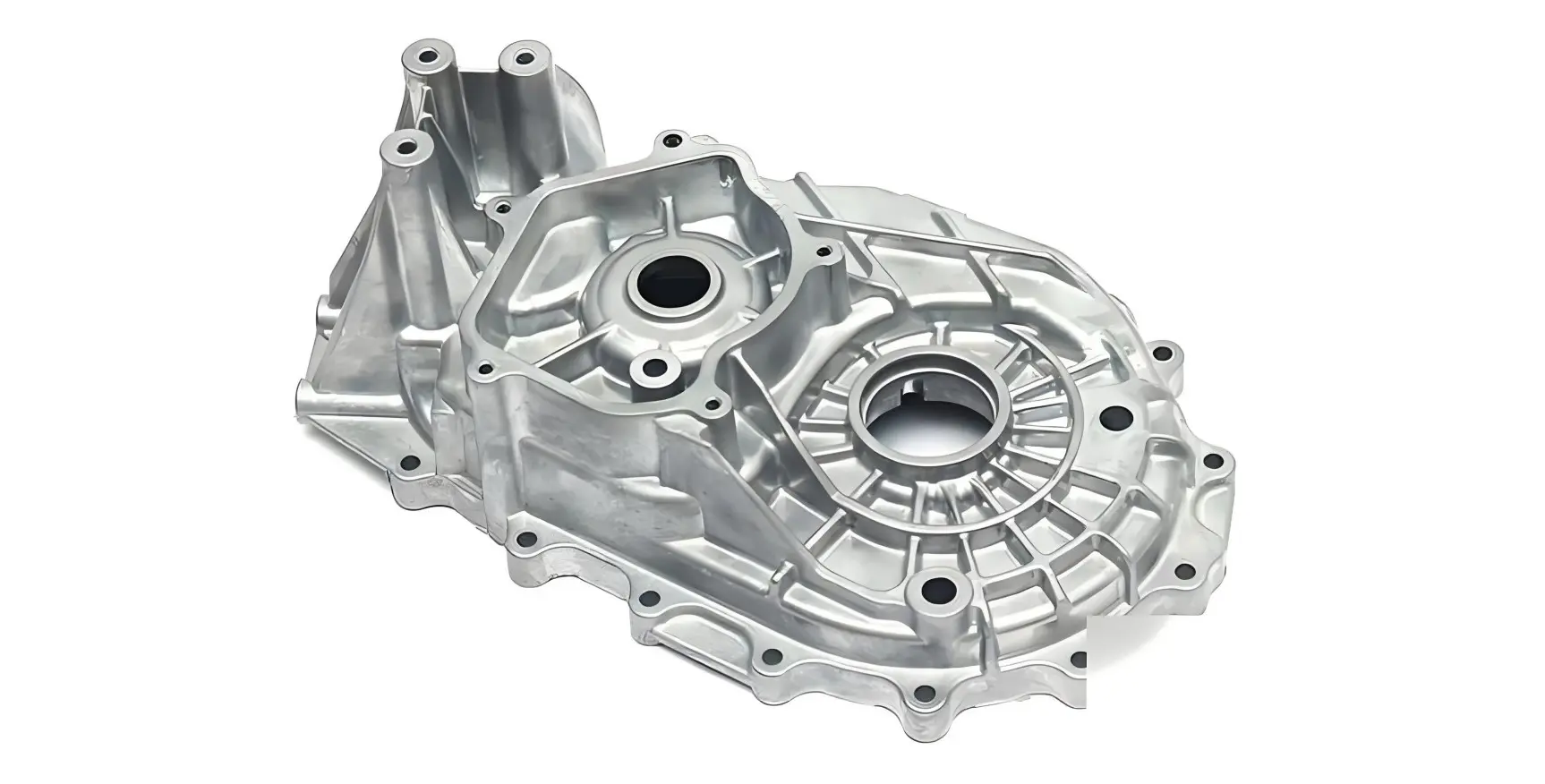
Fast-turnaround SLA/SLS prototyping and bridge-to-production rapid tooling. Validate geometries and mechanical clearances before scaling to high-volume injection tooling.
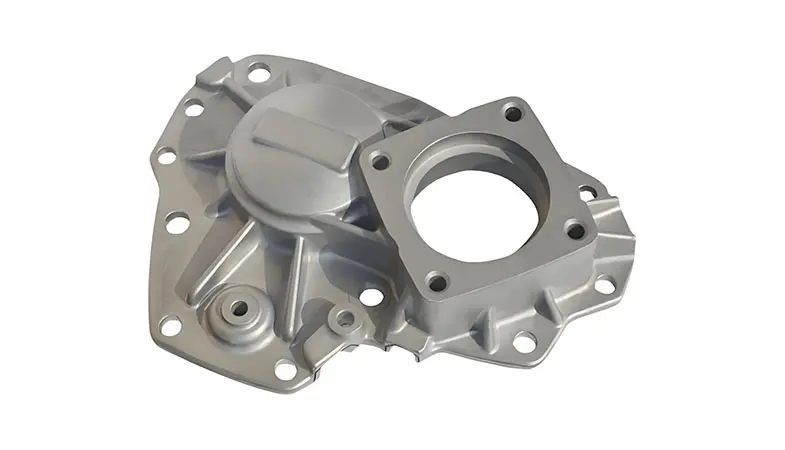
A structured, four-step engineering process to convert 3D CAD models into high-precision fabricated components.

Upload Your CAD Drawing
Select your manufacturing specifications and upload detailed 3D/2D files for analysis.

Get Quote with DFM
Receive a comprehensive cost breakdown and Design for Manufacturability (DFM) assessment within 24 hours.

Confirm Order
Approve production terms, finalize the DFM engineering checks, and select custom surface finishing options.

Projects Completed
Prototypes are manufactured in as fast as 1-3 days, inspected for quality, and shipped globally.









Understanding logistics, quality checkpoints, and regional engineering presence.
Working with global manufacturers can introduce challenges related to logistics, currency shifts, and intellectual property. High-quality sheet metal vendors address these concerns through localized service programs. Working with a China-based factory that maintains local representatives in key export markets provides customers with direct access to local support and domestic invoicing, smoothing procurement pathways.
Regulatory compliance is essential for industrial hardware. For components utilized in medical devices, aerospace, or automotive structures, manufacturers maintain robust quality systems:
For custom enclosures and brackets, early design validation is key to avoiding production issues. Every incoming CAD model undergoes automated DFM checks to flag tight bend radii, close-to-bend holes, and material thickness variances. Correcting these anomalies early prevents manufacturing errors and minimizes tooling wear during production.
Custom engineering solutions designed to meet the strict demands of high-growth sectors.
Heavy-duty aluminum battery chassis, heat dissipators, and vibration-resistant ECU mounts.
EMI shielded computer chassis, custom interfaces, and textured outer enclosures.
Lightweight avionic mounting trays and structural brackets meeting AS9100D guidelines.
Stainless steel surgical chassis and internal frames resistant to aggressive chemical cleaners.
Articulated arm structural linkages, sensor mounts, and high-impact control housings.
We offer professional rapid prototyping and production solutions. Using CNC machining, sheet metal forming, and low-volume tooling, we help customers validate complex mechanical geometries, perform early physical stress testing, and transition to mass production without supply chain bottlenecks.
View Case Studies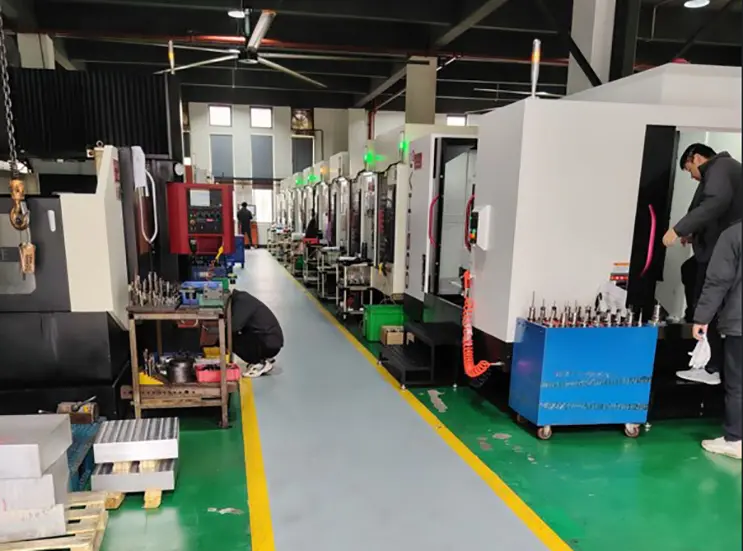
Stay updated with deep technical reviews from our engineering labs covering precision fabrication, assembly methods, and metal design protocols.
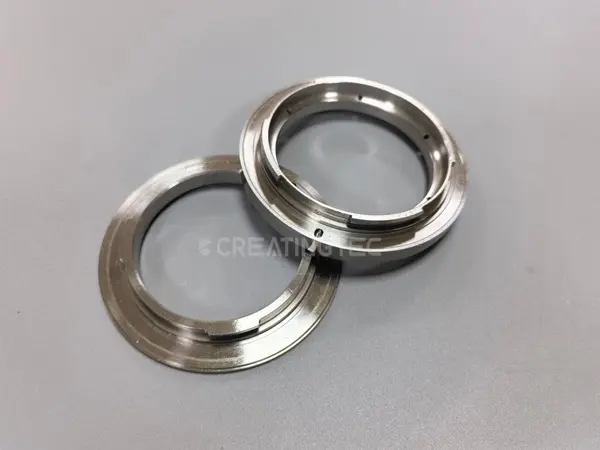
Creatingtec maintains a strict quality control workflow certified to international standards to verify dimensional accuracy across production batches.
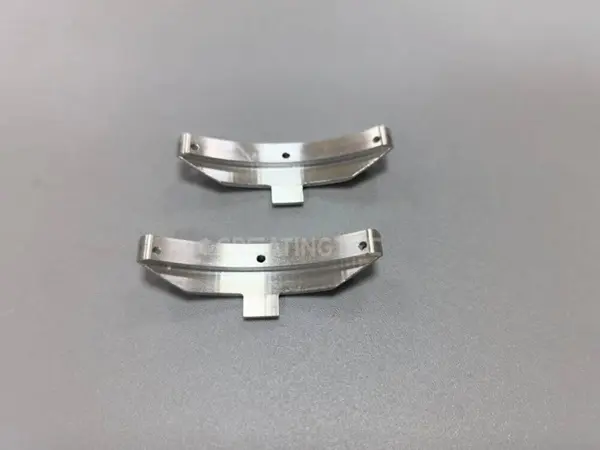
Achieving zero-defect manufacturing for intricate metal enclosures requires calibrated tooling setups and automated CNC press brake control systems.
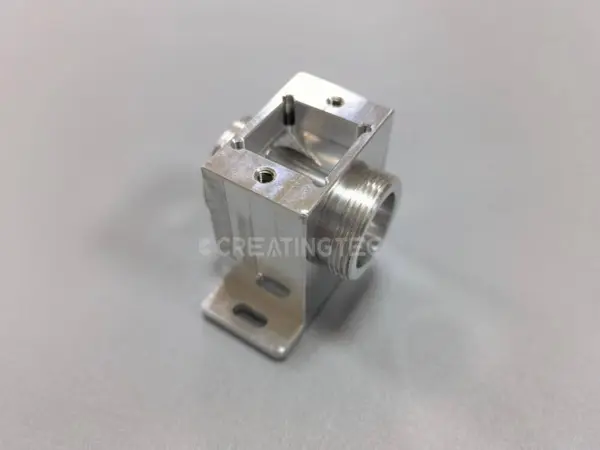
A detailed analysis of how structured design for manufacturing (DFM) reviews translate complex CAD concepts into successful hardware designs.
Find technical answers regarding sheet metal tolerances, processing limits, and material guidelines.
High-quality components manufactured to stringent international quality systems.
 Creatingtec