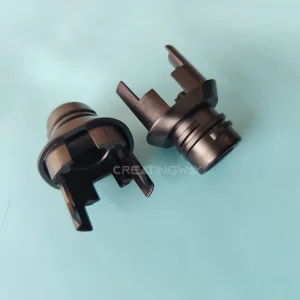
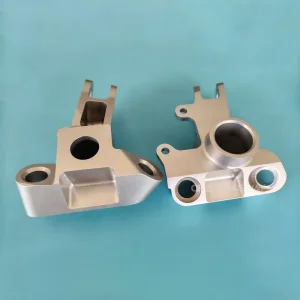
In the contemporary industrial landscape, the bridge between conceptual design and physical reality is no longer a bottleneck. As a leading OEM Rapid Prototyping Design Factory, we leverage advanced multi-axis CNC machining and high-fidelity 3D printing to compress product development cycles from months to days. This agility allows global enterprises to pivot quickly in response to market feedback.
Our engineering team brings over 20 years of mechanical expertise. We don't just "make parts"—we engineer solutions. By utilizing Design for Manufacturing (DFM) analysis, we ensure that every prototype is optimized for future mass production, maintaining tolerances as tight as +/-0.02mm, ensuring reliability and trustworthiness in every shipment.
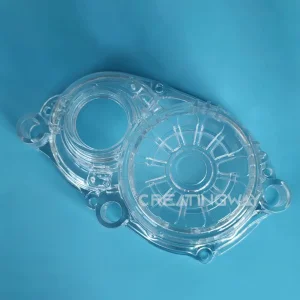
Rapid prototyping has transcended beyond mere modeling. Today, it is the cornerstone of the aerospace, medical, and automotive sectors. Our facility supports complex assemblies like aeroplane shaft house parts and medical device components, meeting stringent ISO standards and ensuring global compliance for highly regulated industries.
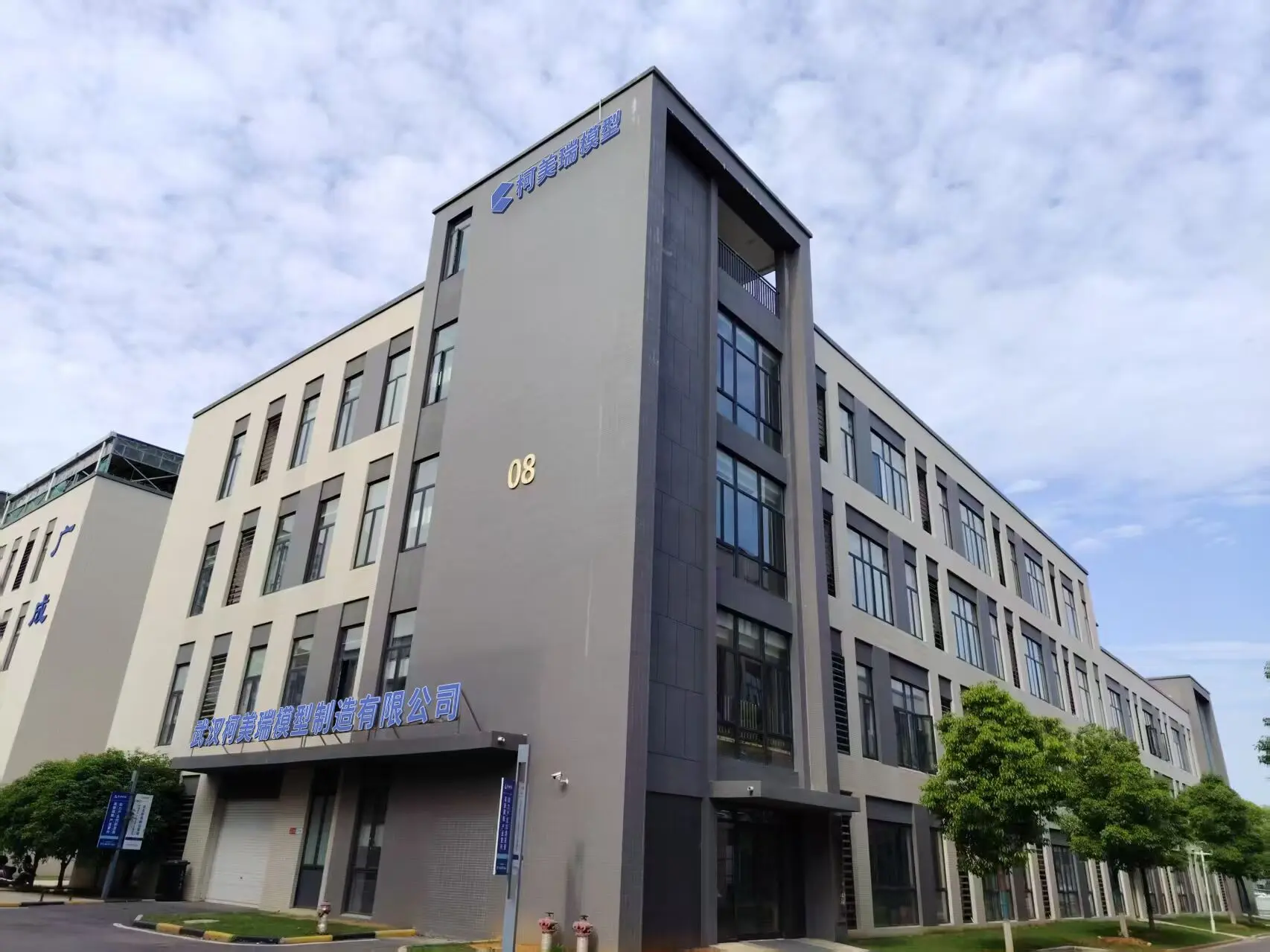
As manufacturing trends shift towards "Local-for-Local" and "China-Plus-One" strategies, Creatingtec stands as a pivotal partner for Western and Asian firms alike. We provide a decentralized manufacturing model where design files are protected by high-level IP protocols, and physical production happens in our state-of-the-art 2000m² facility.
Our macro industry solutions include:
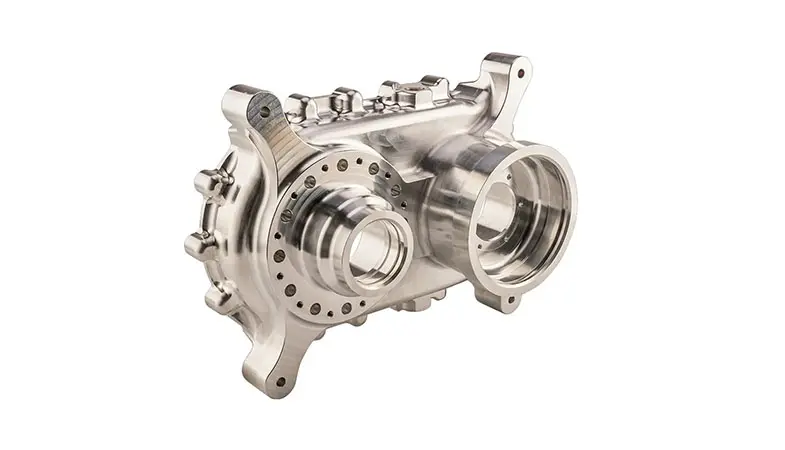
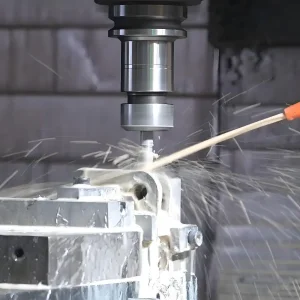
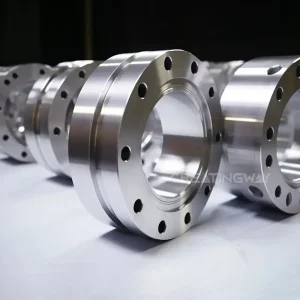
Prototype parts in as fast as 1-3 days. Tight tolerance down to +/-0.02mm. We handle titanium, aluminum, and engineering plastics like PEEK and POM.
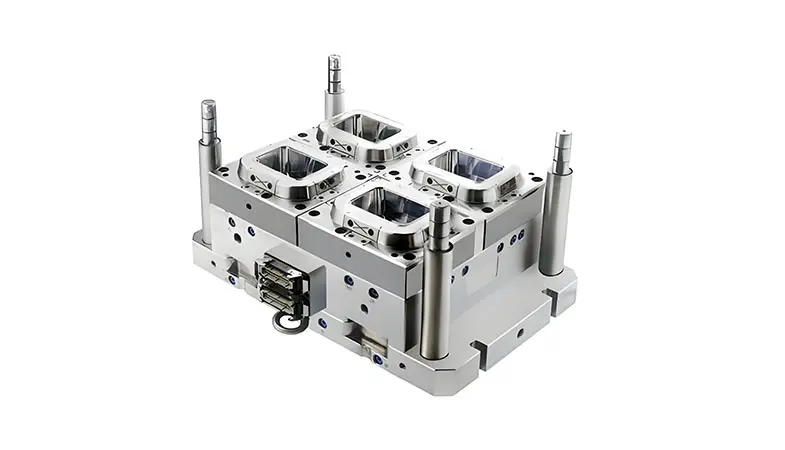
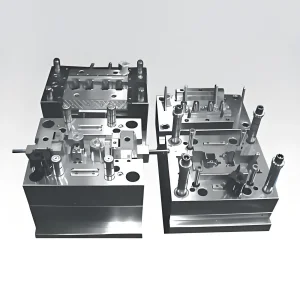
Bridging the gap between prototype and production. We provide rapid tooling services that allow for low-volume production with production-grade materials.
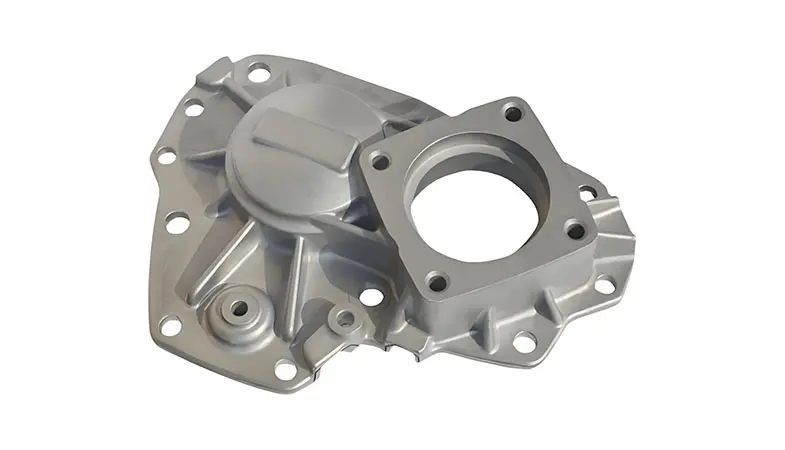
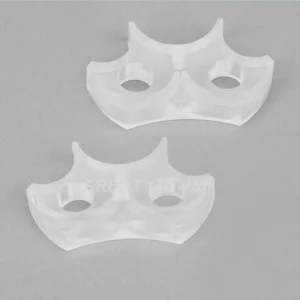
Ideal for complex geometries that cannot be machined. Perfect for ergonomic testing and visual models in consumer electronics and medical devices.
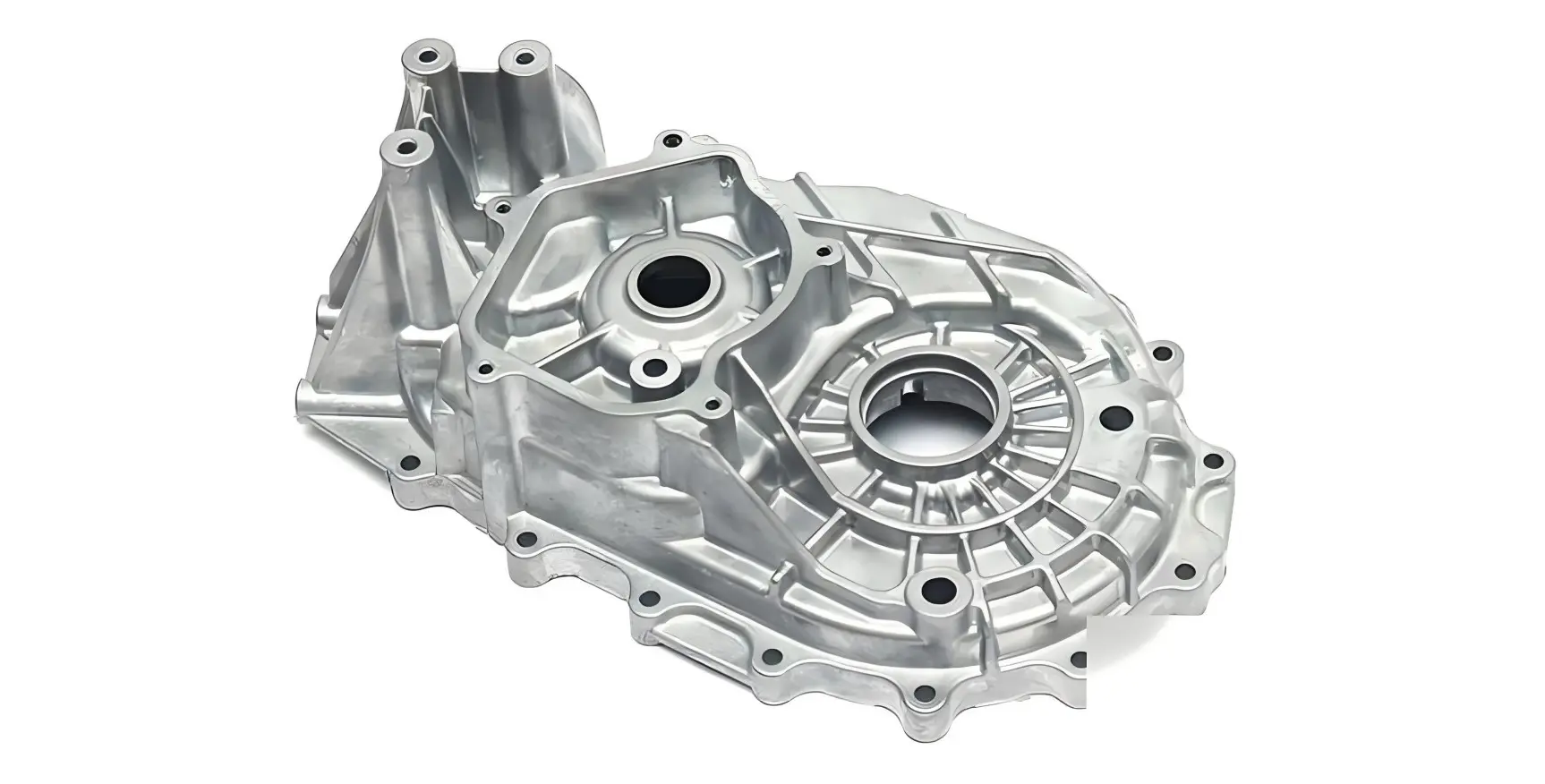
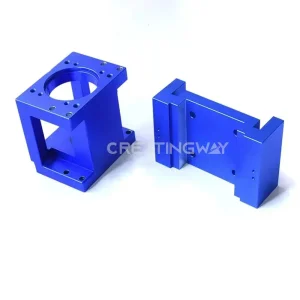
High-volume efficiency for metal components. Specializing in electronic control housings and automotive structural parts.
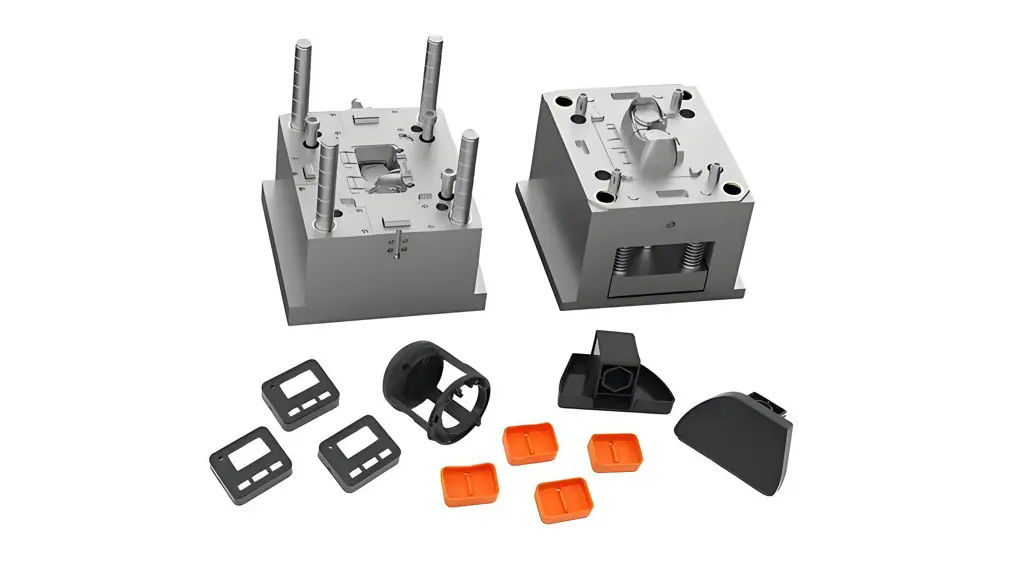
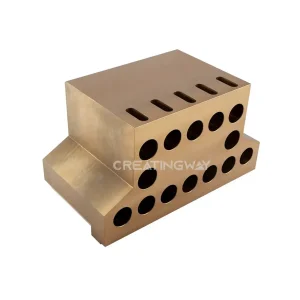
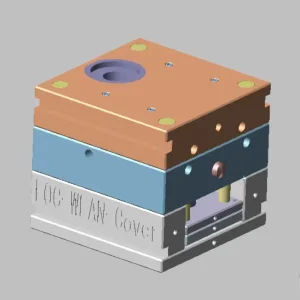
Cost-efficient mold making for bridge production, ensuring you can test the market without the heavy capital expenditure of full-scale steel molds.
We adhere to ISO 9001:2015 quality management systems. For our medical clients, we follow biocompatibility guidelines, and for aerospace, we provide full material traceability (MTRs) and CoC documentation.
With localized support desks in Europe and North America, we bridge time zone gaps. Our "Economical Air Freight" ensures that a prototype finished in Shenzhen on Friday is on a designer's desk in San Francisco by Monday.
We treat your CAD data with the highest level of confidentiality. Our facility is equipped with internal data silos and non-disclosure agreement (NDA) protocols to safeguard your innovation.
Global Clients
Years Experience
Parts Per Year
Day Delivery
Specialized engine lamp covers and sensor housings that withstand high-temperature environments and vibration.
Aeroplane shaft house parts made from lightweight, high-strength alloys with 100% precision accuracy.
Developing surgical instrument prototypes and diagnostic equipment housings with medical-grade finishes.
Complex skeletal components and protective shells for the next generation of industrial and service robots.
Integrating artificial intelligence into our quoting and DFM process to provide instant feedback on machinability and cost-reduction.
Merging 3D printing with secondary CNC finishing in a single workflow to create parts with internal lattices and micron-perfect external surfaces.
Fully lights-out manufacturing for high-precision components, further reducing human error and increasing throughput for global demand.
A: Most standard CNC prototypes are completed within 1 to 3 business days. Complex assemblies or those requiring specialized surface treatments (like hard-coat anodizing) may take 5-7 days.
A: Our engineers review your CAD files to identify "cost drivers"—such as unnecessarily tight tolerances or deep pockets that require expensive tooling. We suggest modifications that maintain function while simplifying the manufacturing process.
A: Yes. We specialize in low-volume manufacturing (LVM), supporting runs from 10 to 5,000 units using rapid tooling or CNC machining, allowing you to scale without high upfront costs.
A: Aluminum 6061 is excellent for heat dissipation and EMI shielding. For plastic housings, PC or ABS are standard, while PEEK is used for high-performance or medical-grade electronic enclosures.
Upload your CAD drawings and receive a detailed quote with DFM analysis within 24 hours. Join 600+ global partners who trust Creatingtec for their critical hardware needs.
 Creatingtec