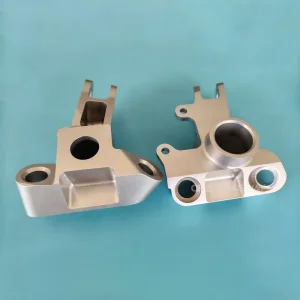
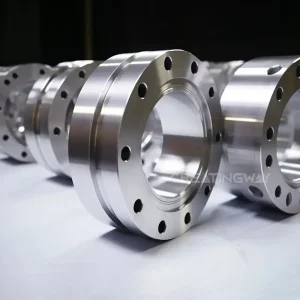
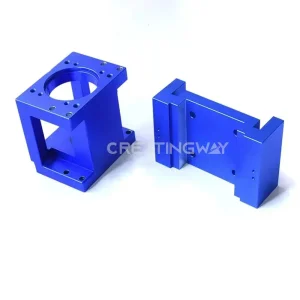
In the hyper-competitive landscape of global hardware development, the transition from CAD design to a functional, market-ready product requires more than just subtractive manufacturing. It demands a sophisticated synergy of Precision CNC Machining and Advanced Surface Chemistry. As a leading OEM Rapid Prototyping Aluminum Anodizing Supplier, we understand that anodizing is not merely an aesthetic choice; it is a critical engineering process that enhances corrosion resistance, surface hardness, and thermal management capabilities of aluminum alloys like 6061, 7075, and 2024.
Expertise in aluminum anodizing begins with material selection. Different alloys respond uniquely to the electrochemical process. For instance, 6061 aluminum is the gold standard for structural components due to its excellent anodizing response, resulting in a consistent, durable oxide layer. In contrast, 7075 aluminum, while offering superior strength-to-weight ratios for aerospace applications, requires precise temperature control and electrolyte concentration to avoid "burning" or uneven coating. Our engineering team provides "Information Gain" by conducting Design for Manufacturing (DFM) analysis on every project, ensuring that hole tolerances and edge radii are optimized for the anodizing bath to prevent edge build-up or acid entrapment.
Standard sulfuric acid anodizing providing decorative finishes and moderate protection. Ideal for consumer electronics and medical device housings.
Low-temperature processing creates a dense, wear-resistant layer exceeding 50μm. Essential for aerospace shafts and hydraulic valve blocks.
Ensuring maximum corrosion resistance for medical and marine applications through high-purity sealing processes like nickel acetate or hot water sealing.
Leveraging a Chinese supplier for Rapid Prototyping and Aluminum Anodizing offers unparalleled strategic advantages. Our facility in China integrates the entire value chain—from raw material procurement and multi-axis CNC machining to automated anodizing lines and precision inspection.
Parts Delivered Annually
Years of Engineering Expertise
Countries Served Globally
Days Prototype Lead Time
For global enterprises, "Local Support" means having a bridge between engineering designs and manufacturing realities. We provide 24/7 technical consultation, bridging time zones to offer real-time DFM feedback. Whether you are in Silicon Valley or Berlin, our team acts as your in-house manufacturing department.
Compliance is the bedrock of reliability. Our anodizing processes strictly adhere to MIL-A-8625 standards for military and aerospace grade coatings. We ensure all components are RoHS and REACH compliant, facilitating seamless customs clearance and environmental accountability for your brand.
Where Precision Meets Performance
Hard-anodized engine components and shaft housings capable of withstanding extreme thermal cycles and friction.
Biocompatible, non-leaching anodized surfaces for surgical instruments and diagnostic equipment enclosures.
High-aesthetic, vibrant color anodizing for premium laptop shells, smartphones, and wearable tech housings.
Lightweight aluminum parts for EV battery housings and ADAS sensor mounts, treated for long-term weather resistance.
Creatingtec Manufacturing Limited, started by experienced engineers, aims to delight customers with a highly flexible low-volume manufacturing service. In our 2000m² facility, we offer:
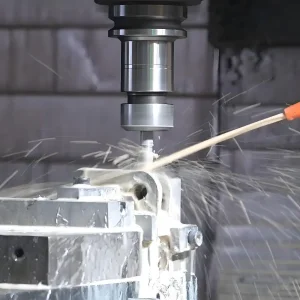
● CNC Machining: High precision, tight tolerances (+/-0.02mm), and flexible delivery. Prototypes in 1-3 days, with optional anodizing in 4-5 days.
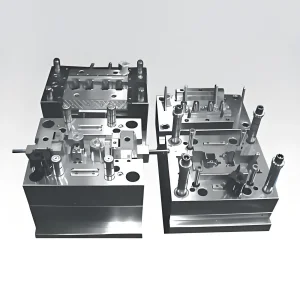
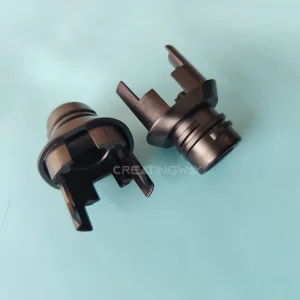
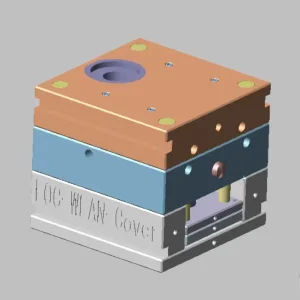
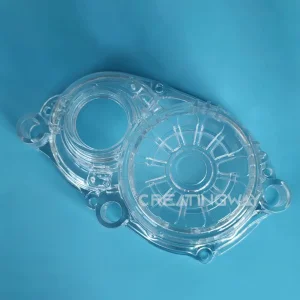
● Injection Molding: Full support for high-level electronic alarm devices, USB end caps, and complex consumer housings.
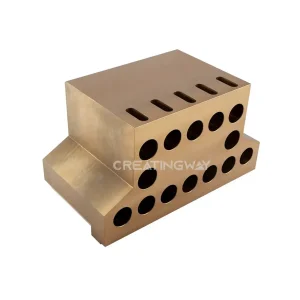
● Die Casting: Specialized in electronic control housing parts using cutting-edge manufacturing solutions.
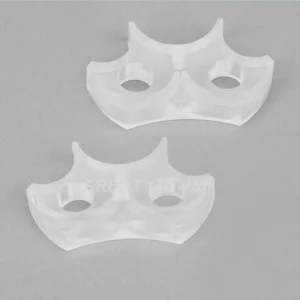
● 3D Printing & Sheet Metal: Comprehensive prototyping tools to bridge the gap between concept and reality.
Type II (Sulfuric) typically ranges from 5 to 25 microns and is used for color and corrosion resistance. Type III (Hardcoat) ranges from 25 to 100+ microns, designed for heavy industrial wear and electrical insulation.
Most 6000 and 7000 series alloys anodize beautifully. However, die-cast alloys with high silicon content (like A380) may result in a gray, splotchy finish. We recommend CNC machining from billet for the best aesthetic results.
We use digital colorimeters to measure LAB values and maintain strict control over bath chemistry, current density, and immersion time. This is critical for OEM clients who require identical finishes for global product lines.
Unlike standard suppliers, we don't just quote. We provide insights on how to modify your design to avoid "gas pockets" during anodizing and suggest the best jigging points to minimize visible contact marks.
As we look toward 2025 and beyond, several key trends are shaping the Rapid Prototyping Aluminum Anodizing sector:
Creatingtec is at the forefront of these innovations, ensuring that our global customers receive not just parts, but a competitive edge in their respective markets.
 Creatingtec