Creatingtec
The Definitive Guide to Medical Device Plastic Injection Molding
Analyzing global procurement dynamics, regulatory quality frameworks, and advanced tooling engineering.
1. Executive Summary: The Critical Role of Custom Molding in Modern Medtech
In the rapidly evolving healthcare landscape, the demand for high-fidelity, biocompatible, and structurally complex components has propelled medical device plastic injection molding to the forefront of modern therapeutic design. As medical OEMs (Original Equipment Manufacturers) develop next-generation diagnostics, surgical instruments, and implantable devices, the requirement for absolute micro-precision becomes non-negotiable.
Unlike standard consumer-grade injection molding, medical-grade molding operates within a zero-tolerance paradigm. Every component must satisfy stringent bio-compatibility requirements, maintain high physical integrity through intense sterilization protocols, and achieve absolute dimensional consistency across millions of production cycles. Choosing an experienced, E-E-A-T accredited manufacturing partner is the single most critical decision in securing product compliance and mitigating downstream operational risks.
2. Global Sourcing Dynamics: What Medtech OEMs Search For
Global procurement specialists and medical engineering leads are faced with complex vendor evaluation matrices. Modern procurement focuses on four pillars of security:
- ISO 13485:2016 Certified Quality Infrastructure: Ensuring comprehensive trace-ability of raw polymers and validated verification metrics at every interface of the injection workflow.
- Cleanroom Ecosystems: Active validation under ISO Class 7 (Class 10,000) and ISO Class 8 (Class 100,000) environmental controls, minimizing particulate contamination during cavity injection and sterile product handling.
- Scientific Molding Methodology: Tracking real-world cavity pressures and melt flow behaviors with in-tool sensors, yielding robust IQ/OQ/PQ (Installation, Operational, and Performance Qualification) data required by regulatory bodies like the US FDA and the European Medicines Agency (EMA).
- Robust Risk Management (FMEA): Failure Mode and Effects Analysis built directly into the Tool Design phase to foresee and eliminate mechanical compromises prior to active tooling steel cutting.
3. China Factory 4.0: Forging Supply Chain Resilience and High-Cavitation Efficiency
Historically, the debate between localized Western manufacturers and Chinese suppliers focused solely on unit-cost optimization. Today, the integration of China Factory 4.0 has redefined this paradigm. Western MedTech firms are increasingly leveraging Chinese manufacturers not merely for cost-efficiency, but for unprecedented supply-chain agility, robotic automation, and extremely compressed time-to-market cycles.
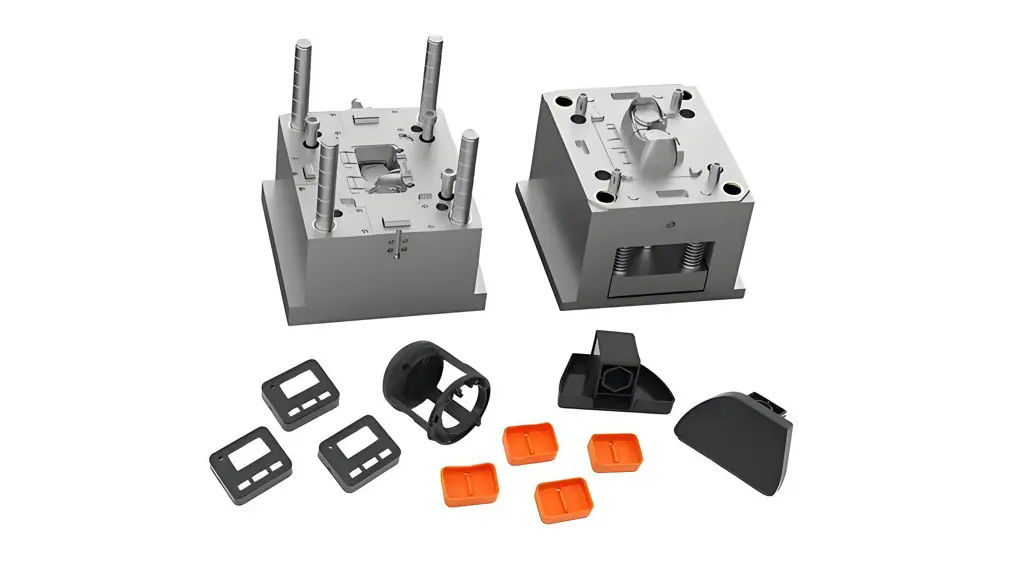
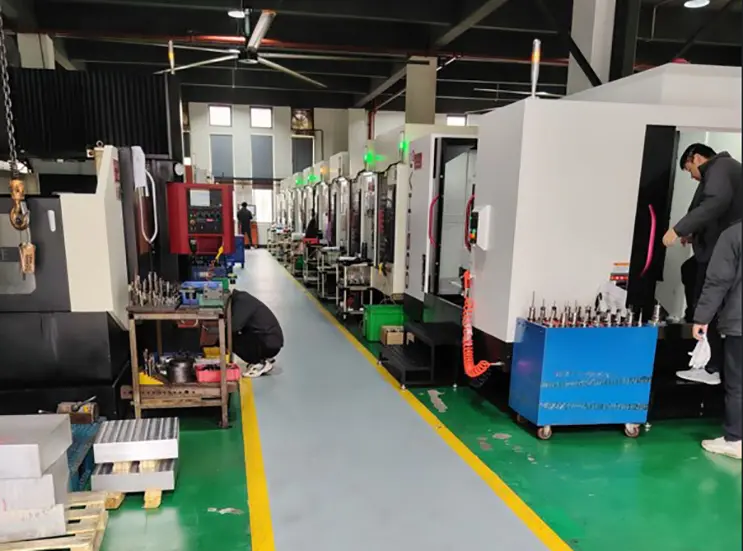
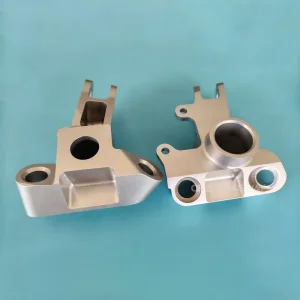
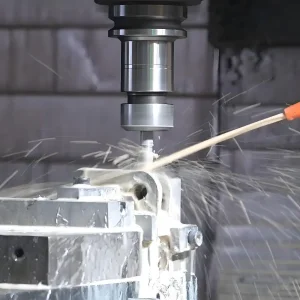
At Creatingtec Manufacturing Limited, our transition into Factory 4.0 focuses on the deployment of closed-loop robotic automation. Our automated production environment ensures continuous, hands-free manufacturing, which dramatically minimizes bio-contamination risks. By combining high-speed CNC machining centers for tooling with advanced multi-cavity injection machines, we consistently deliver exceptional lead-time efficiency without ever compromising on critical tolerances down to ±0.02mm.
4. Critical Material Selection for Medical Applications
The choice of polymer dictates a medical device's physical boundaries. The modern engineer must balance structural integrity, wear resistance, sterilization compatibility, and chemical robustness. Here are the core high-performance medical polymers utilized in our facility:
- PEEK (Polyetheretherketone): Exceptional mechanical properties, biocompatibility, and chemical resistance. Frequently used for structural surgical tools and long-term implants.
- COP (Cyclic Olefin Copolymer): High optical transparency and barrier resistance, making it perfect for microfluidic diagnostic chips and syringes.
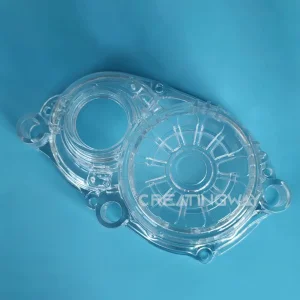
- Polycarbonate (PC): Outstanding impact resistance, structural rigidity, and transparency, ideal for housing monitors and blood oxygenators.
- LSR (Liquid Silicone Rubber): Highly flexible, thermal-resistant material optimized for gaskets, seals, and flexible patient-contact interfaces.
5. Technical Capability Deep-Dive: From Concept to Reality
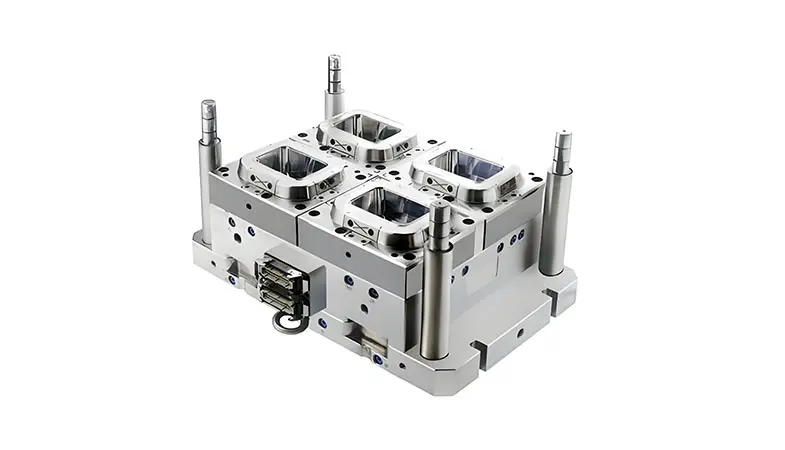
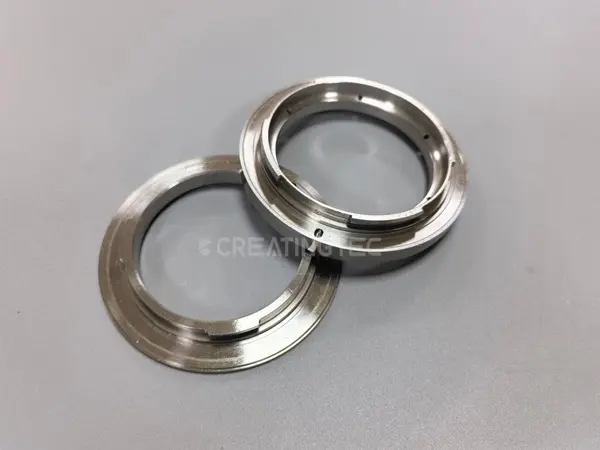
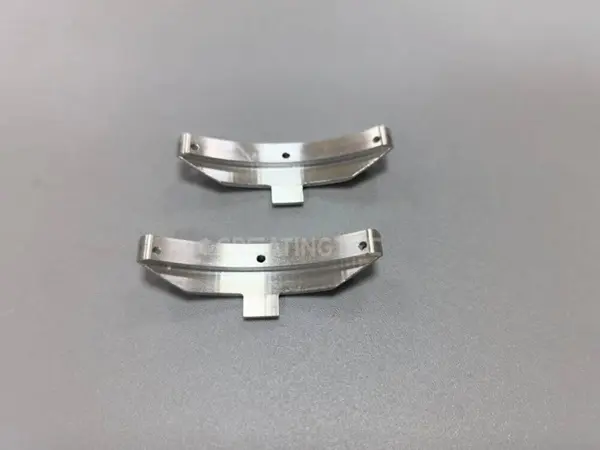
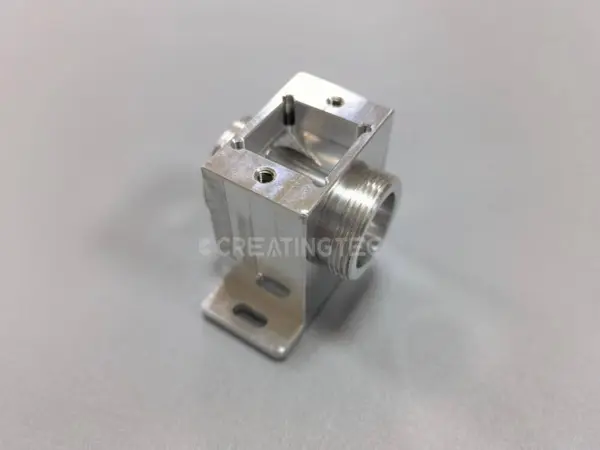
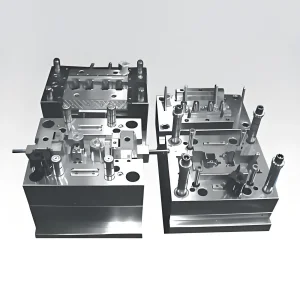
Medical device innovation demands a multi-disciplinary manufacturing framework. Rapid prototyping is essential to validate design iterations, while volume-production tooling must be engineered to endure millions of high-pressure cycles. Our manufacturing setup combines precision mechanical machining technologies with advanced plastic molding processes to offer complete, turnkey solutions.