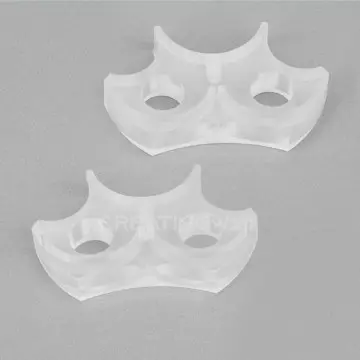
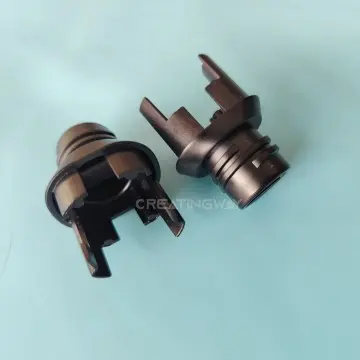
In the rapidly evolving landscape of global manufacturing, OEM Injection Molding stands as the backbone of mass production for high-precision plastic components. Whether it's the sleek housing of a flagship smartphone, the robust interior components of an electric vehicle (EV), or the sterile, complex geometries required for medical devices, the injection molding process determines the feasibility, cost-efficiency, and market success of a product.
As a leading Injection Molding Process Supplier, Creatingtec understands that the journey from a digital CAD file to a millions-of-units production run is fraught with technical challenges. Understanding the semantic depth of "Process Steps" is not merely about mechanical movement; it is about material science, rheological behavior, thermal management, and Design for Manufacturing (DFM) optimization. This guide delves deep into the authoritative steps and industry insights that define world-class injection molding companies today.
Achieving zero-defect manufacturing requires a rigorous adherence to the "Scientific Molding" philosophy. Here is the step-by-step breakdown used by Tier-1 Chinese suppliers.
Before steel is cut, engineers perform a comprehensive Design for Manufacturing (DFM) review. This includes mold flow analysis to predict air traps, weld lines, and potential sink marks. Optimal gate placement is determined here to ensure balanced filling.
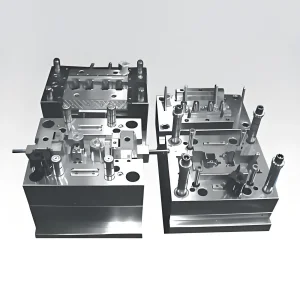
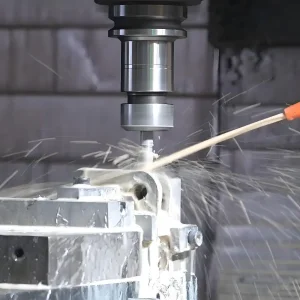
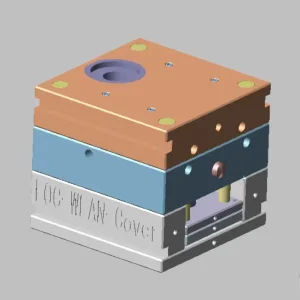
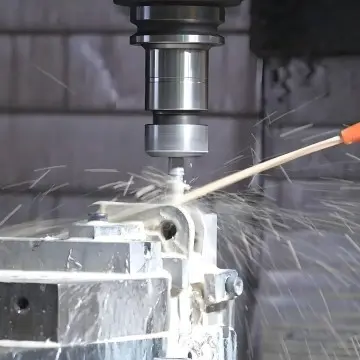
Using high-grade steel (like S136 or H13), the mold is crafted using CNC machining, EDM (Electrical Discharge Machining), and wire cutting. This stage is critical for maintaining long-term dimensional stability over hundreds of thousands of cycles.
Raw resin pellets are fed into the hopper, melted by the reciprocating screw, and injected under high pressure into the mold cavity. Precision control over "Shot Size" and "Injection Speed" is vital for thin-wall components.
Once the cavity is filled, holding pressure is applied to pack more material into the mold, compensating for the natural shrinkage of plastic as it cools. This ensures the part achieves the required density and aesthetic finish.
The longest part of the cycle. Integrated cooling channels within the mold circulate water or oil to dissipate heat. Advanced "Conformal Cooling" techniques are often used to reduce cycle times by up to 30% in high-volume OEM runs.
The mold opens, and an ejection system (pins, plates, or air blasts) pushes the solidified part out. Modern automated facilities use robotic arms to handle parts, ensuring no surface damage occurs during the transition.
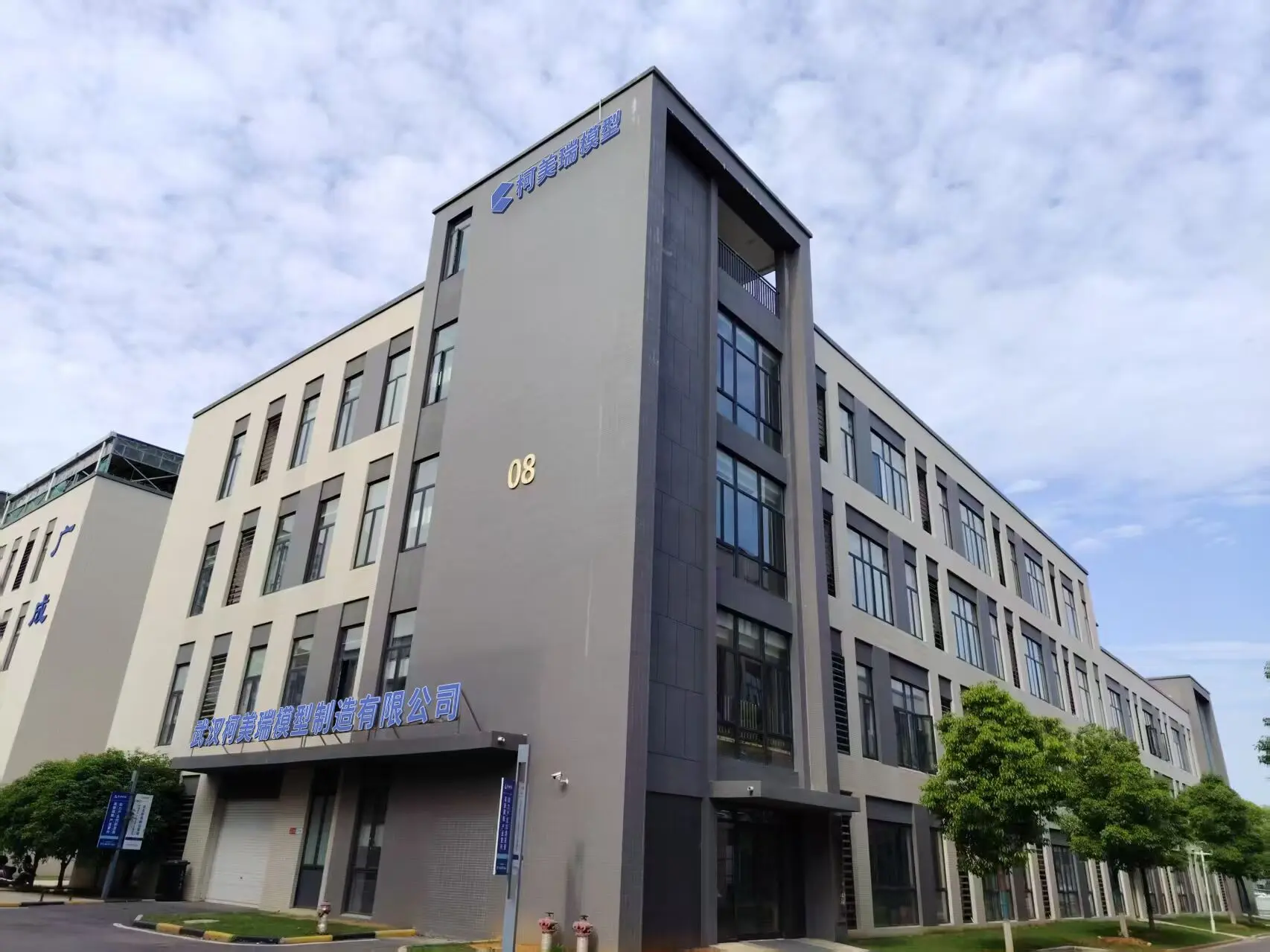
Creatingtec Manufacturing Limited was started by two experienced engineers with an extensive background in precision machining and mold tool manufacture. Our 2000m² manufacturing facility is equipped with state-of-the-art CNC machines and injection molding presses.
We aim to delight our customers with a highly flexible low volume manufacturing service, bridging the gap between rapid prototyping and full-scale mass production.
China's manufacturing hubs (like Shenzhen and Dongguan) offer an unparalleled ecosystem. From raw material suppliers to specialized surface treatment shops, everything is within a 50-mile radius, drastically reducing lead times.
The ability to move from a 3D-printed prototype to a "Bridge Tool" (Rapid Tooling) and then to high-volume production is faster in China than anywhere else on earth. We can deliver T1 samples in as little as 15 days.
Beyond just "low labor costs," the value comes from highly skilled engineering teams who perform advanced DFM that reduces material waste and cycle times, saving global enterprises millions in the long run.
The industry is shifting toward "Green Injection Molding." This involves using PCR (Post-Consumer Recycled) resins and biodegradable materials like PLA without compromising the mechanical integrity of the OEM part.
Smart factories now use AI algorithms to monitor cavity pressure and temperature in real-time. If a deviation is detected, the machine automatically adjusts injection parameters to prevent rejects before they happen.
The demand for soft-touch grips on rigid housings (2K Molding) is soaring in the consumer electronics and medical sectors. Integrated overmolding reduces assembly costs and improves product ergonomics.
As medical devices and wearables shrink, the need for microscopic parts with sub-micron tolerances is growing. Specialized micro-molding machines are now capable of producing parts weighing less than 0.1 grams.

Submit your 3D models (STEP, IGES) for a detailed manufacturing review.

Receive a comprehensive quote and DFM analysis within 24 hours.

Once the DFM is approved, we begin precision tool fabrication and sampling.

Global shipping with expedited options. Prototypes ready in 1-3 days.
Lightweighting solutions for EV battery housings and complex engine components.
High-aesthetic enclosures with EMI shielding and overmolded seals.
Class 10,000 cleanroom production for surgical instruments and fluidics.
High-performance engineering plastics (PEEK/Ultem) for weight-critical parts.
Precision gears and structural frames for industrial automation units.
Get the latest insights on injection molding, material trends, and manufacturing innovations.
 Creatingtec