In modern precision manufacturing, brass remains an irreplaceable alloy for critical electrical, fluidic, and automotive systems. The combination of copper and zinc delivers unique physical attributes including high electrical conductivity, excellent corrosion resistance, and low friction coefficients. However, achieving sub-micron accuracy in high-speed CNC processes requires deep metallurgical domain expertise.
Alloy Selection & Mechanical Properties: The most prevalent alloy for high-volume CNC screw machining is C36000 (Free-Cutting Brass). The addition of finely dispersed lead particles acts as a microscopic lubricant and chip breaker, enabling cutting speeds of over 300 surface feet per minute (SFM). For environmentally regulated industries, lead-free alternatives such as C69300 (Eco Brass) are utilized, requiring custom tooling geometries and modified toolpath algorithms due to their higher tensile strength and harder chip configurations.
Brass exhibits a thermal expansion coefficient significantly higher than carbon steel (approximately 20.3 μm/m·°C). During prolonged high-volume production, temperature control of the tooling fluid is paramount to prevent progressive dimensional drift, particularly on tolerances tighter than ±0.01mm.
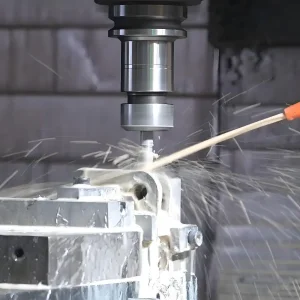
Our CNC turning and milling operations account for these material microdynamics. Through finite element analysis (FEA) of cutting tool forces and thermodynamic toolpath optimization, we ensure that every component, whether it is an electrical contact pins or a high-pressure hydraulic manifold block, matches the physical design footprint without internal mechanical stresses.
To achieve high precision, tight tolerances, and flexible delivery schedules, we utilize multi-axis CNC milling and Swiss turning stations to fabricate high-reliability prototypes and production runs.
● Rapid Prototypes: High-precision machined samples delivered in 1-3 days, with secondary finishing operations like anodizing and electroless nickel plating in 4-5 days.
● Mass Scaling: Automated bar feeders and custom jigging enable cost-efficient high-volume production runs with minimal downtime.
● Ultra-Tight Tolerances: Achieving repeatable dimensional controls down to ±0.02mm through continuous thermal recalibration and state-of-the-art closed-loop servo controllers.
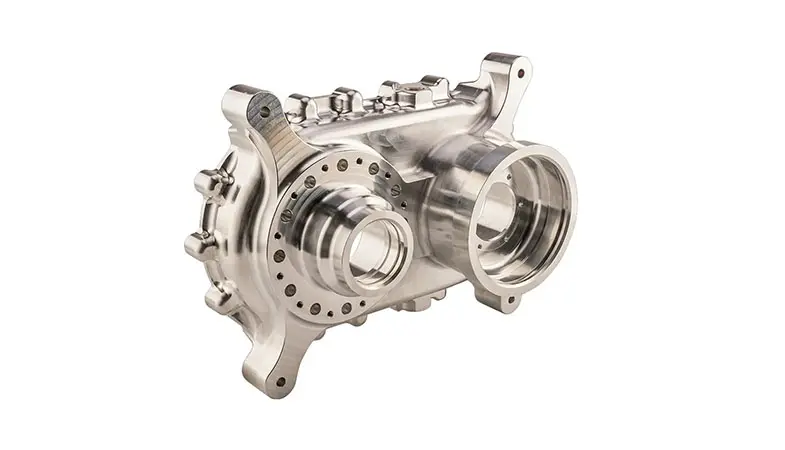
As micro-electronics and fiber-optic communication assemblies scale down, the demands on micro-sized brass components increase. Our roadmap integrates ultra-high-speed spindles (up to 60,000 RPM) to machine intricate features under 100 microns without leaving edge burrs or micro-fractures.
By utilizing predictive machining algorithms, we simulate thermal stress zones and cutting tool deflection in real-time. This dynamic toolpath generation increases surface quality by 25% and reduces unnecessary cycle times, saving production costs for global supply partners.
Sustainable supply networks demand zero-waste cycles. We deploy in-line chip recovery and separation systems that vacuum up clean brass turnings, compress them, and return them for immediate re-smelting, reducing the net carbon footprint of our client's finished components.
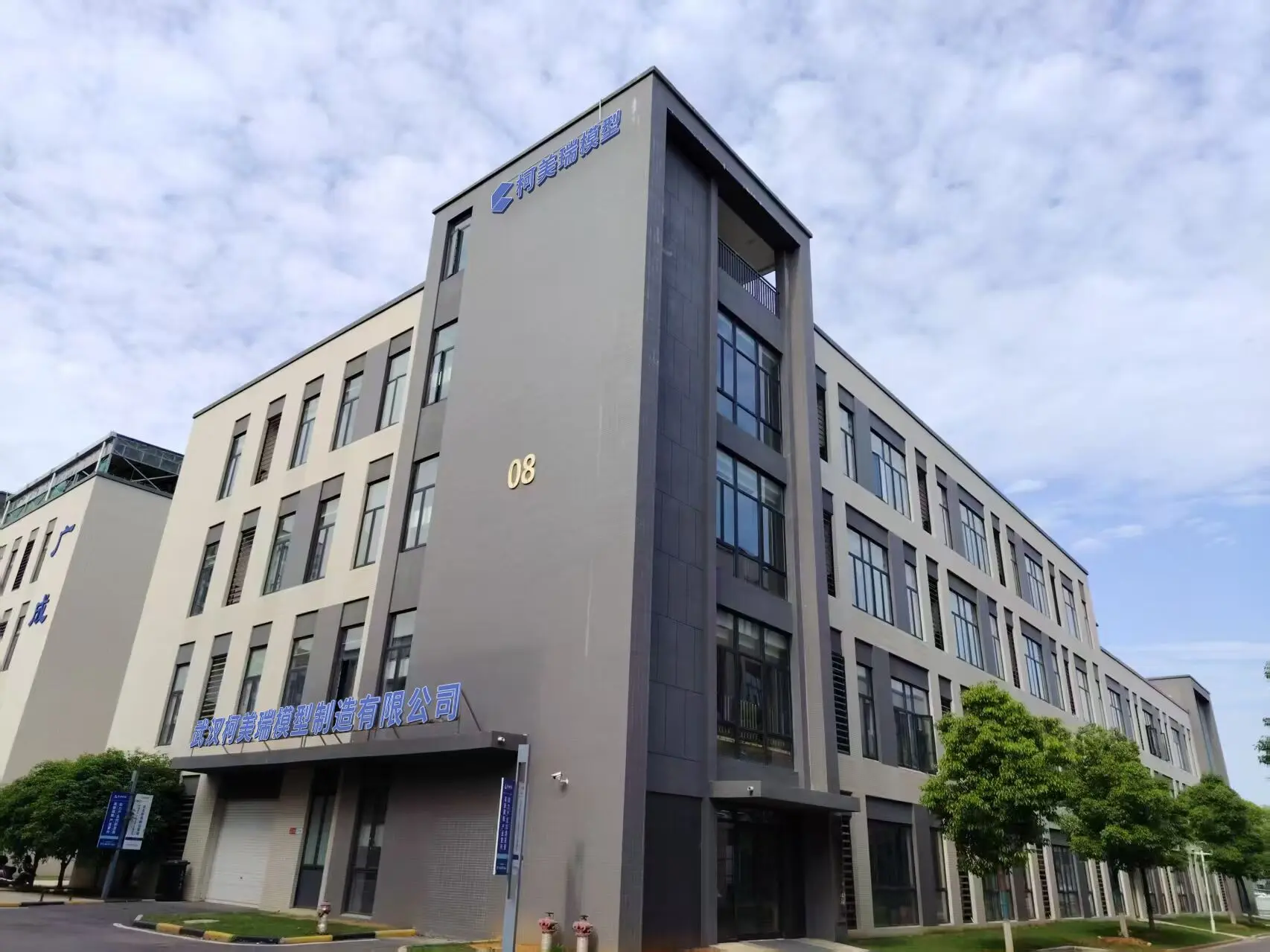
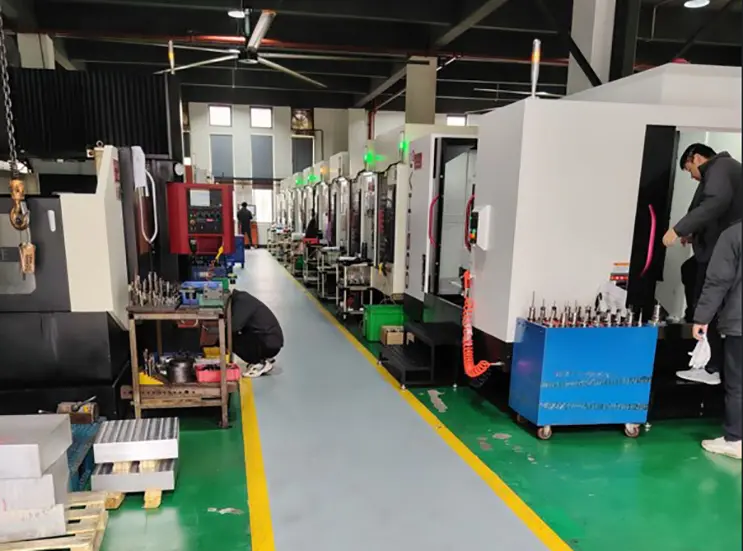
At Creatingtec Manufacturing Limited, we bridge the gap between initial design intent and final volume production. Founded by engineering directors with deep background in high-precision mold engineering and automated metal machining, our 2,000m² manufacturing facility integrates automated tooling setups, multi-axis milling, and quality control systems.
Our factory model is designed to buffer global procurement risks. By sourcing premium domestic copper rods and keeping strategic reserves of certified brass variants, we shield our clients from localized raw material price spikes and keep lead times consistent.

Submit your 3D models (STEP, IGES, or SolidWorks) along with PDF drawing files containing key tolerances.

Receive a comprehensive cost breakdown and Design for Manufacturing analysis within 24 business hours.

After design sign-off, we coordinate toolpath setups, allocate materials, and configure real-time inspection parameters.

Parts undergo multi-point metrology testing. Securely packaged crates are dispatched via air or ocean to your warehouse.
Global hardware buyers operating in medical, aerospace, automotive, and high-frequency electronics face shifting regulatory landscapes. Sourcing brass CNC parts requires not just manufacturing competency, but deep alignment with compliance systems that safeguard end-user reliability.
Under recent RoHS 3 directives, lead content in copper alloys is strictly monitored. We provide certified documentation validating lead percentages conform to international safe limits, or switch to verified eco-brass variants when required for potable water plumbing or sensitive bio-analytical devices.
Navigating international tariffs and shipping manifests requires clean, systematic documentation. We supply complete commercial invoices, HS classifications (typically 741529 for brass fasteners/turned parts), and material mill test certificates to prevent delays at import gateways.
To eliminate structural failure risks, we implement batch traceability codes. Raw material receipts are tracked from the smelter through production logs, ensuring that mechanical performance profiles (tensile strength, yield limits) are verifiable at any step of the supply chain.
Whether your engineering team is based in North America, Western Europe, or the Asia-Pacific region, our localized logistics support coordinates door-to-door delivery with duty-paid or port-of-entry warehousing arrangements. This minimizes supply disruption risk, allowing you to run dynamic inventory models like JIT (Just-In-Time) with high delivery reliability.






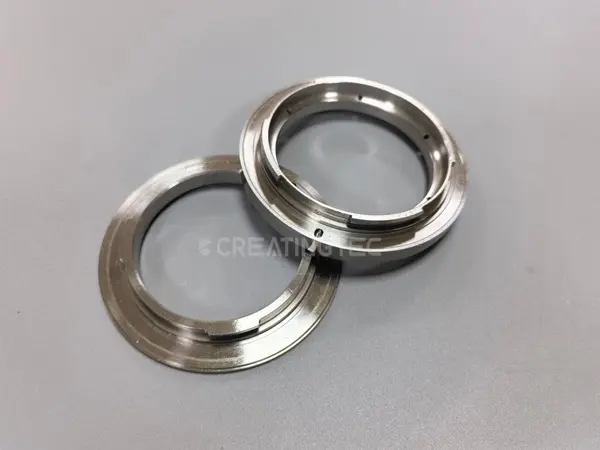
Developing next-generation physical hardware requires fast, repeatable prototyping iterations. Our engineering team assists you at every validation gate, providing fast physical testing models to help bring your hardware concepts to market.
Whether modifying internal thread geometries, tuning fluid pathways, or verifying surface properties, we combine high-speed machining with precise QA inspections to ensure your functional tests run without interruption.
A deep dive into advanced metrology tools, certified quality control flows, and zero-defect initiatives for complex hardware systems.
Read Full Article
Technical analysis of tool pathing, feed rate calculations, and stabilization fixtures required for thin-walled precision metal enclosures.
Read Full Article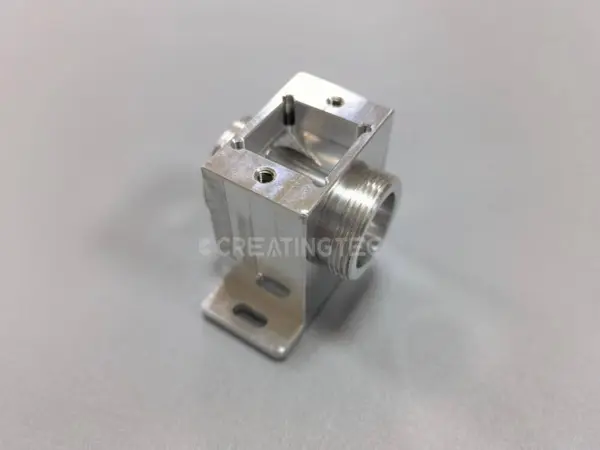
Examining the value of collaborative engineering design reviews in reducing production cycle times and saving machining costs.
Read Full ArticleFor supply chain directors, buying precision brass CNC parts is an optimization challenge balancing part cost, tooling life, and supply stability. When sourcing from China, procurement teams must carefully evaluate total cost of ownership (TCO) variables rather than just unit prices.
Mitigating Raw Material Price Swings: Copper and zinc markets are susceptible to macroeconomic shifts. To protect your production costs, Creatingtec uses forward pricing agreements and maintains dedicated raw material reserves, shielding projects from sudden pricing spikes during extended contracts.
Addressing Tool Wear and Machining Speeds: While brass is relatively easy to machine compared to steel or titanium, certain alloys (particularly lead-free variations) can cause rapid tool wear. Our automated manufacturing utilizes specialized carbide and diamond-tipped tooling alongside optimized coolant flows, maintaining precise geometries and consistent surface finishes across entire production runs.
For electrical applications requiring high conductivity (like pins or terminals), C36000 is typically specified due to its machinability and balanced copper content. For fluid applications or valves handling water, lead-free C69300 or C89835 is preferred to ensure environmental safety compliance.
On our precision Swiss lathes and multi-axis CNC machines, we consistently hold linear tolerances of ±0.01mm and diametrical tolerances of ±0.005mm under temperature-controlled shopfloor conditions.
Lead-free brass alloys (like C69300) are harder and create continuous stringy chips, which increases tool wear and requires slower feed rates. This typically increases cycle times by 15% to 30% compared to free-cutting C36000.
To prevent natural oxidation, we offer chemical passivation, clear lacquer coatings, electroplated nickel, tin, or gold plating. Electroless nickel plating is highly recommended for consistent thickness inside complex internal passages.

 Creatingtec