ODM Resin 3D Printer Suppliers & Company

High-Precision Industrial SLA, DLP & LCD Additive Manufacturing Solutions. Engineered for Global OEMs, Automotive, Aerospace & Medical Enterprises.

Industrial OEM/ODM Solutions Range

Precision-engineered hardware and custom CNC, tooling, and molded parts designed for mission-critical deployments.

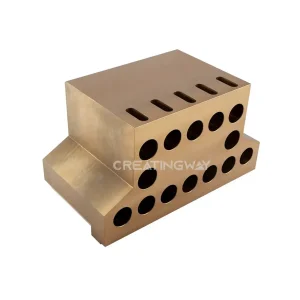
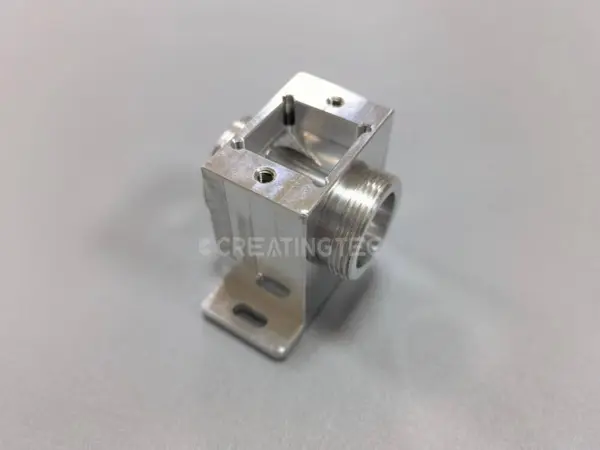
ODM Hydraulic Valve Block Parts CNC Machining

ODM Hydraulic Valve Block Parts CNC Machining Manufacturer

Explore Engineering Specifications
ODM Medical Device Parts CNC Machining

ODM Medical Device Parts CNC Machining Manufacturer Service

Explore Engineering Specifications
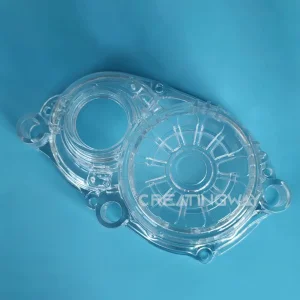
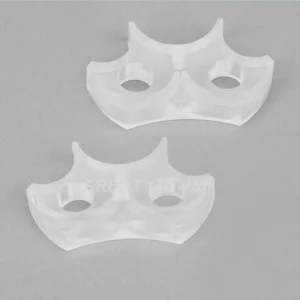
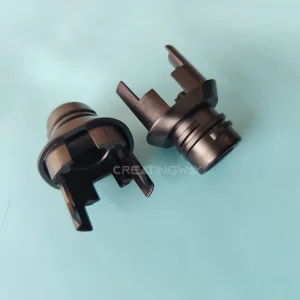
Engine Lamp Cover Manufacturing Services

High-Quality Engine Lamp Cover Components Manufacturing Services

Explore Engineering Specifications
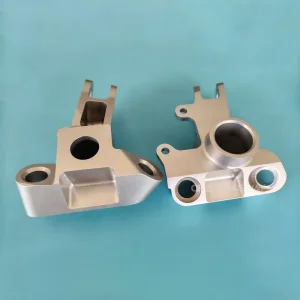
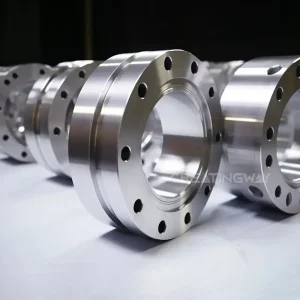
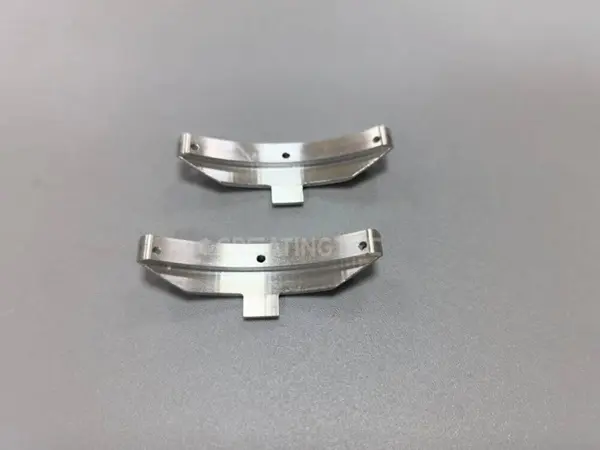
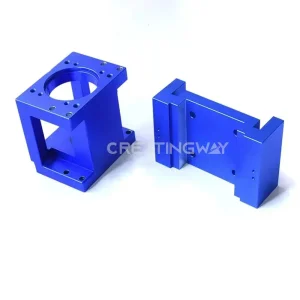
Aeroplane Shaft House Parts CNC Machining

High-Quality Aeroplane Shaft House Parts CNC Machining Manufacturer

Explore Engineering Specifications
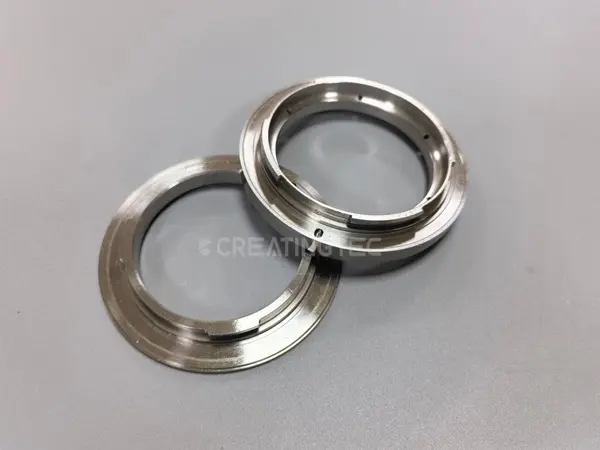
Precision PMMA and POM Parts CNC Machining

High-Quality Precision PMMA & POM Parts CNC Machining Manufacturing

Explore Engineering Specifications
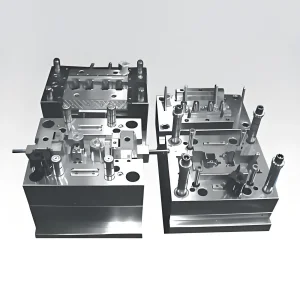
OEM Consumer Electronic Housing Tooling

OEM Consumer Electronic Housing Injection Tooling Supplier

Explore Engineering Specifications
ODM Automotive Product Component CNC Machining

ODM Automotive Product Component CNC Machining Manufacturer

Explore Engineering Specifications
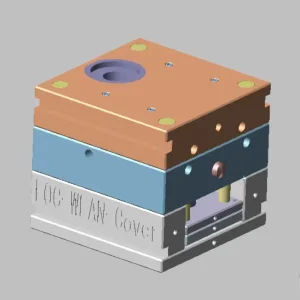
Electronic Control Housing Parts Die-casting

High-Quality Electronic Control Housing Parts Die-casting

Explore Engineering Specifications
White Paper: Deciphering the OEM/ODM Resin 3D Printer Industry

A comprehensive analysis of technical capabilities, supply chain integration, regulatory frameworks, and global sourcing strategies.

1. Introduction to the Additive Manufacturing Paradigm

In modern industrial manufacturing, the demand for precision, customization, and swift product development has elevated Stereolithography (SLA), Digital Light Processing (DLP), and Liquid Crystal Display (LCD) resin 3D printers to critical assets. Organizations globally are transitioning from traditional subtractive methods to hybrid approaches, pairing precision CNC machining with vat photopolymerization. Choosing the right ODM resin 3D printer supplier is no longer just about buying hardware; it is a strategic partnership that dictates product time-to-market, cost efficiency, and performance reliability.

As light engine technologies advance—moving from standard UV projectors to monochromatic high-resolution LCDs and specialized laser systems—resin-based additive manufacturing achieves dimensional tolerances that rival injection tooling. This white paper examines how global buyers can evaluate manufacturing partners, leverage Chinese industrial clusters, ensure compliance, and maximize their return on investment.

2. Global Corporate Procurement Requirements

Sourcing industrial resin 3D printers at scale requires satisfying specific engineering and commercial criteria. For procurement managers, the hardware's capacity to integrate into existing production lines is primary. Key requirements include:

  • Consistent Dimensional Repeatability: Industrial-grade SLA/DLP systems must maintain tolerances within ±0.05mm across entire build volumes, ensuring component compatibility.
  • Open Materials Ecosystem: Closed-source systems restrict research and increase operational costs. Enterprises prefer ODM partners who support third-party engineered resins, including biocompatible, ceramic-filled, high-temperature, and ultra-tough variations.
  • Industrial Control Firmware: Advanced slicer integrations, IoT monitoring, APIs for factory execution systems (MES), and automated post-processing interfaces are essential for automated production environments.
  • Thermal and Optical Stability: Active vat heating, closed-loop light uniformity controls, and optimized optical paths prevent layer failure and minimize peel force during long build cycles.

3. Chinese Manufacturing & Supply Chain Advantages

The manufacturing ecosystem in regions like Shenzhen and Dongguan offers notable advantages for ODM partners. Creatingtec and similar companies benefit from geographical proximity to raw material producers, optical engineers, and custom component factories. This integration provides:

  • Optical Assembly Co-Location: Sourcing light engines, LED matrices, and customized liquid crystal panels locally reduces R&D cycles by up to 60%. Custom build sizes (e.g., large-format LCD arrays) can be prototyped and validated within weeks.
  • Advanced Motion Component Integration: Dual linear guide rails, ball screws, and closed-loop stepper motors are sourced directly from specialized manufacturers, providing industrial-grade motion control at competitive costs.
  • Hybrid Manufacturing Integration: Leading ODM suppliers don't just print parts; they combine SLA printing with CNC machining, rapid tooling, and die-casting under one roof. This allows for complex hybrid builds, such as metal-insert structural casings, with minimal logistical delays.

4. Localized Technical Support & Global Regulatory Compliance

Deploying additive manufacturing equipment globally requires compliance with safety, environmental, and operating regulations. A professional ODM supplier must provide:

  • Certifications & Conformity: Hardware must comply with CE, FCC, RoHS, and UL safety standards. For medical settings, ISO 13485 certified facilities are required to ensure bioseocompatible component processing.
  • Localized Maintenance and SLA: Global enterprises require reliable uptime. Partners must offer structured field service packages, localized spare part depots, and detailed documentation to resolve issues within 24–48 hours.
  • Vat and Fume Management: Modern workplace safety laws require built-in carbon filtration, sealed material chambers, and automated resin-dispensing systems to minimize chemical exposure.

5. Industry Trends & Future Outlook

The resin 3D printing industry is moving towards higher speeds and structural integrity. Key developments include:

  • Continuous Liquid Printing: Utilizing oxygen-permeable dead zones to bypass the step-by-step peeling process, increasing vertical print speeds by up to 10 times.
  • AI-Driven Process Optimization: Slicing software now uses machine learning to predict warping, optimize support structures, and automatically adjust exposure parameters based on resin viscosity and temperature.
  • Engineering-Grade Photopolymers: The gap between injection-molded plastics and photocurable resins is narrowing. Modern resins offer high impact resistance, tensile strength, and heat deflection temperatures exceeding 250°C.
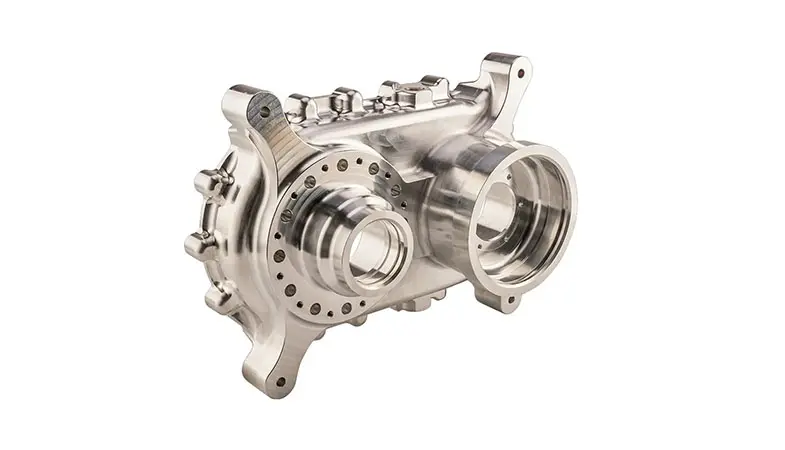
Core Prototyping & Manufacturing Technologies

Bridging the gap between 3D resin concept models and high-volume end-use parts with unified engineering workflows.

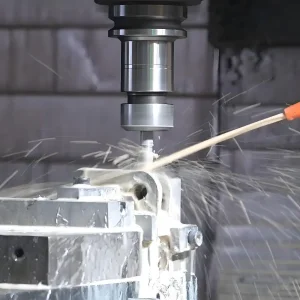
High-Precision CNC Machining & Post-Processing

To use high precision, tight tolerance, flexible delivery, we can make a wide range of prototypes and production for your projects.

  • Prototype parts in as fast as in 1-3 days, with optional power plating and anodizing in as fast as 4-5 days.
  • Cost-efficient machined parts at mass production scales.
  • Tight tolerance down to +/-0.02mm through engineering technology and machines control.
View More Details
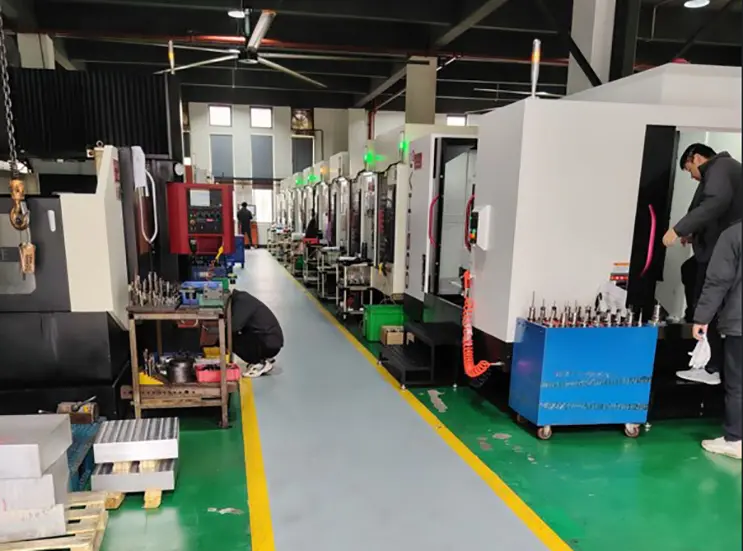
Creatingtec High Precision CNC Machining Workshop
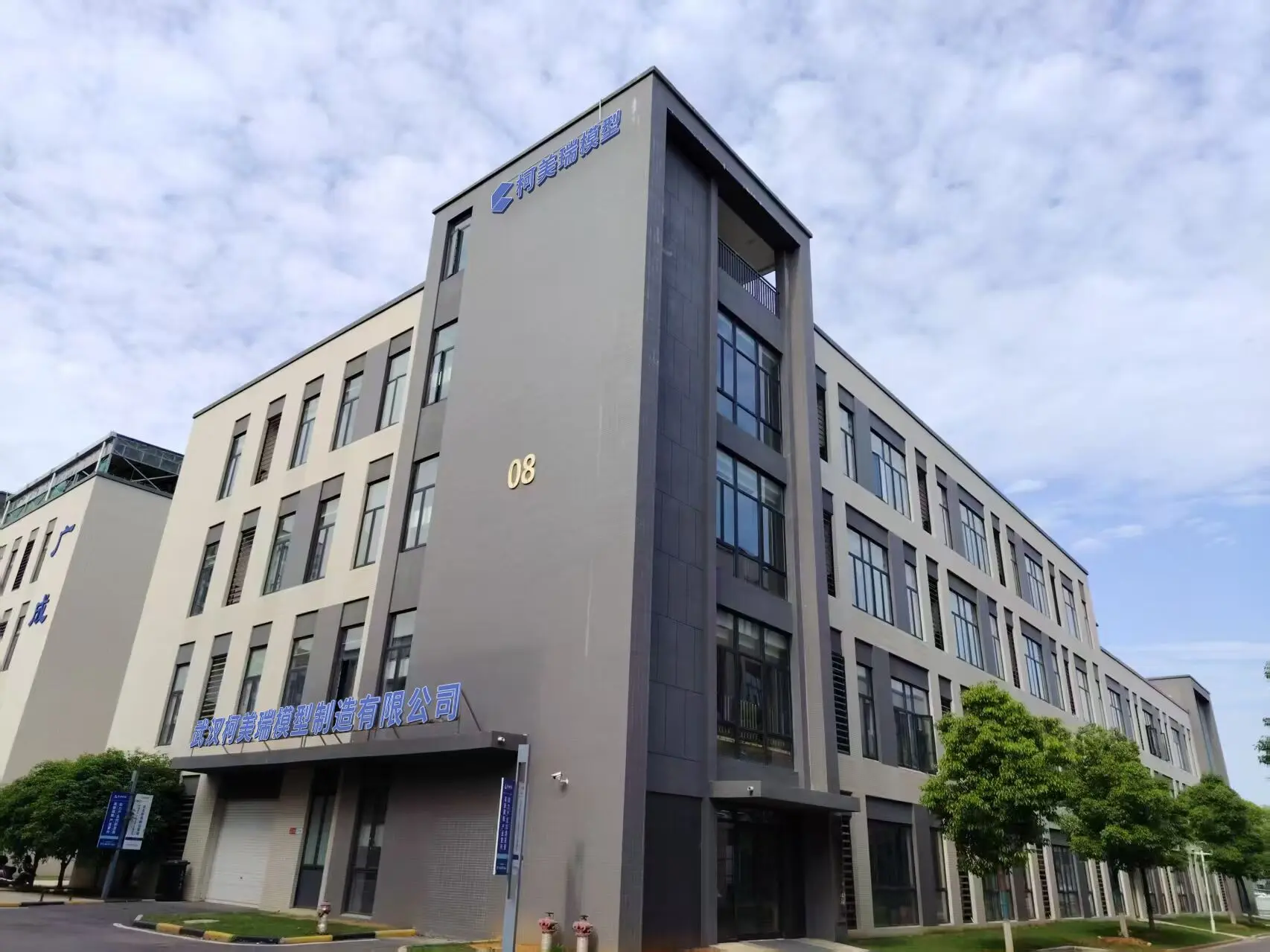
Creatingtec Manufacturing Plant Facility
About Creatingtec

Engineering Precision & Scalable Manufacturing

We aim to delight our customers with a highly flexible low volume manufacturing service. Creatingtec Manufacturing Limited was started by two experienced engineers with an extensive background in precision machining and mold tool manufacture. With an initial investment in two CNC machines, we quickly expanded our manufacturing capabilities to include CNC machining, injection molding, and a fully equipped sheet metal fabrication shop in our 2000m2 manufacturing facility.

Our commitment to rigorous design-for-manufacturing (DFM) reviews, high repeatability, and strict quality control systems makes us a reliable partner for companies requiring high-tolerance resin components and hybrid manufacturing assemblies.

How To Work With Us?

A streamlined, engineer-to-engineer process from initial CAD files to global product delivery.

Step 1
Upload CAD drawings icon

Upload Your CAD Drawing

Choose your preferred manufacturing method and submit your 3D design files with technical tolerances.

Step 2
Get Quote with DFM icon

Get Quote with DFM

Receive a detailed cost estimation accompanied by a comprehensive Design for Manufacturing (DFM) review within 24 hours.

Step 3
Confirm Order icon

Confirm Order

We begin production once you approve the quotes, finalize DFM metrics, and select post-processing finishes.

Step 4
Projects Completed icon

Projects Completed

Prototypes can be completed in 1-3 days and shipped globally via reliable logistics networks.

Why Choose Us?

Backed by decades of mechanical engineering experience and a global network of partners.

👥
600+
Clients from 50 Countries Served
20+
Years in Mechanical Engineering
📦
150K
Parts Produced Annually
📆
15+
Years in Business Operations
Trusted By Our Global Customers

Collaborating with industry leaders in technology, automotive, and medical fields.

Innovation & Prototyping

Drive Innovation Through Prototyping & Manufacturing Solutions

Our manufacturing services support your innovation journey by offering professional prototyping and manufacturing solutions. We utilize mechanical machining technologies for rapid prototyping, mold making, and low-volume production, enabling us to swiftly, accurately, and cost-effectively transform your creative ideas into tangible innovative products.

View Our Achievements
3D Printing & CNC Prototyping Achievements
Industry Applications

Engineered components designed for specialized operational environments.

01
Automotive Electronics
02
Consumer Electronics
03
Aerospace Component
04
Medical Device
05
Robotics
Latest Technical Insights

Detailed articles on quality control, precision engineering, and hardware manufacturing trends.

Quality Infrastructure Systems
05 / 21

The Uncompromising Quality Infrastructure Safeguarding Complex Hardware Systems

Creatingtec maintains a strict quality control workflow, certified to international standards, to ensure that every part meets target tolerances...

Read Article
Precision Metal Enclosures Manufacturing
05 / 21

Master Class in Precision Manufacturing – Turning Complex Metal Enclosures

To achieve zero-defect manufacturing for complex metal structures, Creatingtec deploys state-of-the-art production systems...

Read Article
Concept to Reality Design
05 / 21

Bridging the Gap Between Concept and Reality – How Engineering Excellence Shapes Hardware

In the global hardware manufacturing landscape, the journey from a design blueprint to a market-ready physical product is complex...

Read Article
Frequently Asked Questions (FAQ)

Addressing key procurement, engineering, and logistics considerations for industrial resin 3D printing and custom manufacturing.

What are the primary differences between SLA, DLP, and LCD resin 3D printers?

SLA (Stereolithography) utilizes a single UV laser beam directed by galvanometers to trace out layer shapes. It provides high precision but is slower for dense layouts. DLP (Digital Light Processing) uses a digital projector screen to flash an image of the entire layer at once, offering faster print cycles for small-scale parts. LCD (Liquid Crystal Display) uses an array of UV LEDs masked by an LCD screen. This technique provides rapid print speeds across large build volumes and has become common in modern industrial production.

How does Creatingtec ensure dimensional tolerance control for hybrid assemblies?

By integrating in-house 5-axis CNC machining, modern injection tooling, and optical 3D printing under one roof. We maintain tolerances down to +/-0.02mm for machined parts and +/-0.05mm for high-precision resin prints. Standardized DFM reviews analyze every drawing to match design intent with the appropriate material and fabrication process.

Do your resin materials comply with environmental regulations such as RoHS and REACH?

Yes. We coordinate with material suppliers to ensure all raw photopolymer resins and finished components comply with REACH, RoHS, and local waste disposal directives. Biocompatible resins for medical and dental applications are validated in compliance with ISO 10993 and ISO 13485 standards.

What is the typical lead time for low-volume custom enclosures?

Rapid prototypes can be manufactured in 1–3 days, with surface treatment (such as powder coating or anodization) requiring 2-3 additional days. Low-volume production runs using rapid tooling or injection molding typically ship within 10 to 15 business days, depending on geometry complexity.
Additional Industrial Components & Tooling Solutions

Browse our specialized injection tooling, mechanical casings, and precision-machined assemblies.

Engine Lamp Cover Manufacturing Services

High-Quality Engine Lamp Cover Components Manufacturing Services

Explore Engineering Specifications
Aeroplane Shaft House Parts CNC Machining

High-Quality Aeroplane Shaft House Parts CNC Machining Manufacturer

Explore Engineering Specifications
Precision PMMA and POM Parts CNC Machining

High-Quality Precision PMMA & POM Parts CNC Machining Manufacturing

Explore Engineering Specifications
OEM Consumer Electronic Housing Tooling

OEM Consumer Electronic Housing Injection Tooling Supplier

Explore Engineering Specifications
ODM Automotive Product Component CNC Machining

ODM Automotive Product Component CNC Machining Manufacturer

Explore Engineering Specifications
Electronic Control Housing Parts Die-casting

High-Quality Electronic Control Housing Parts Die-casting

Explore Engineering Specifications
USB end cap Injection Tooling

High-Quality USB End Cap & Button Injection Tooling Manufacturer

Explore Engineering Specifications
Electronic Housing Components CNC Machining

High-Quality Electronic Housing Components CNC Machining Manufacturer

Explore Engineering Specifications

Subscribe to Our Newsletter

Get the latest updates on additive manufacturing trends, DFM optimization tips, and materials science developments.