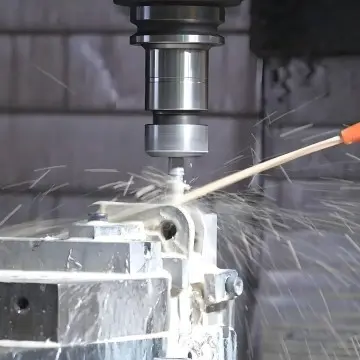
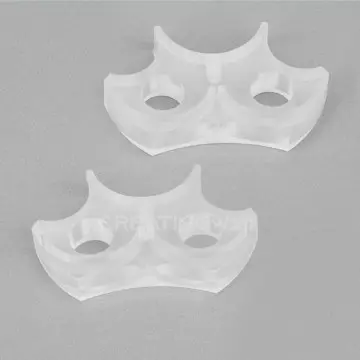
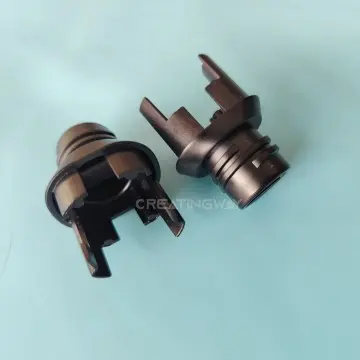
The automotive industry is undergoing a seismic shift. As the world transitions towards Electric Vehicles (EVs) and autonomous driving, the demand for high-performance, lightweight, and complex plastic components has never been higher. Today, plastics account for approximately 50% of a vehicle's volume but only 10% of its weight. This disparity highlights the critical role of ODM Plastic Injection Molding in modern vehicle architecture.
The global automotive plastics market is projected to exceed USD 50 billion by 2028. Key drivers include stringent emission regulations requiring "lightweighting" and the expansion of electronic systems within the cockpit (HMI modules).
Electric vehicles require specialized polymers for battery housings, thermal management systems, and high-voltage connectors. These parts must offer flame retardancy (UL94-V0) and high dielectric strength.
From Carbon Fiber Reinforced Plastics (CFRP) to bio-based polymers, the industry is moving beyond standard ABS and PP toward engineering-grade resins like PEEK, PPS, and long-glass-fiber reinforced PA66.
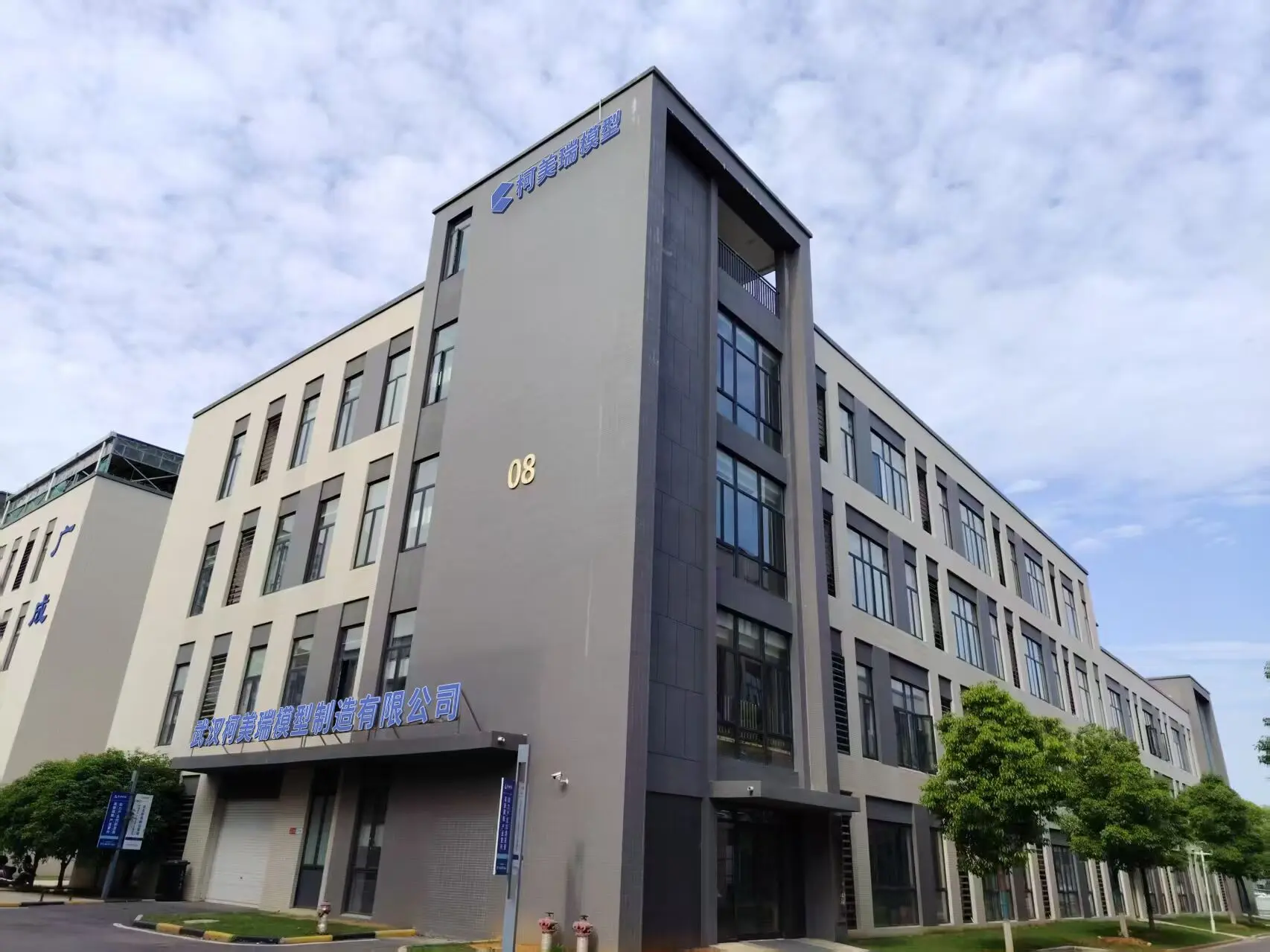
China's dominance in injection molding isn't just about cost—it's about the integrated ecosystem. Our 2000m² facility in the heart of the manufacturing hub allows for:
Dashboard components, HVAC vents, and decorative trims using IMD (In-Mold Decoration) and soft-touch overmolding for premium tactile experiences.
High-heat resistant parts like intake manifolds, engine covers, and coolant reservoirs that withstand temperatures up to 150°C using glass-filled PA6.
Precision-molded lenses for LED headlamps and protective housings for LiDAR/Radar sensors requiring extreme dimensional stability (+/-0.02mm).
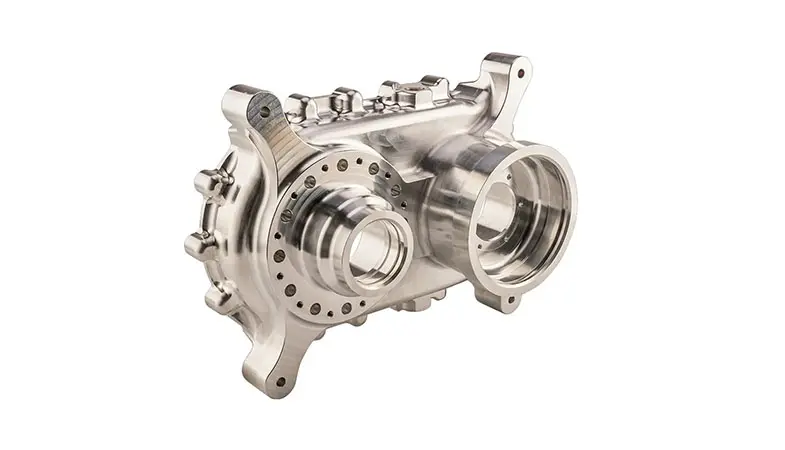
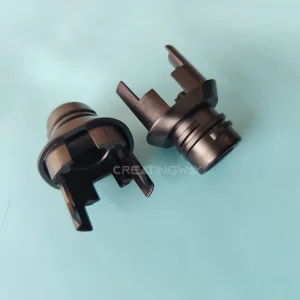
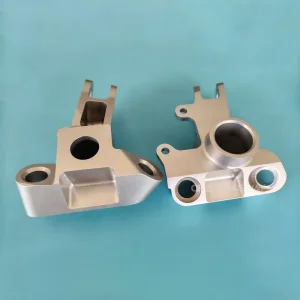
High precision, tight tolerance, and flexible delivery for prototypes (1-3 days). Power plating and anodizing options available.
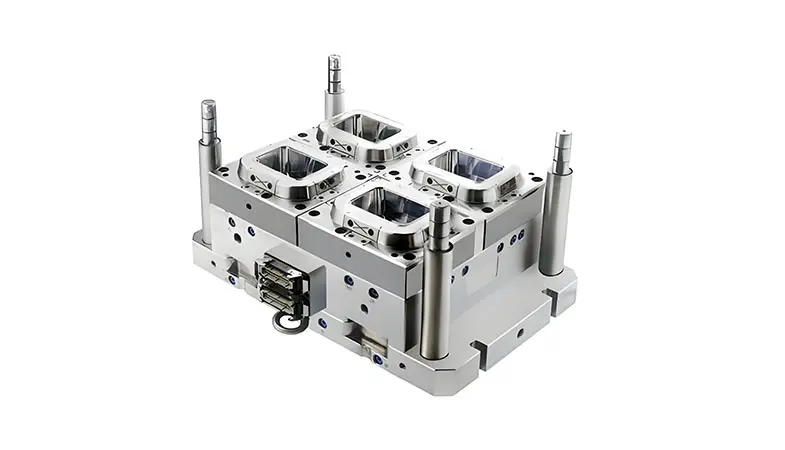
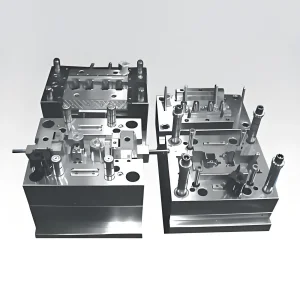
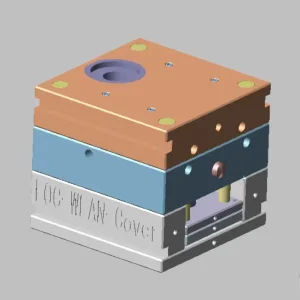
Full-scale production for complex geometries. Specialized in automotive-grade resins and multi-cavity tooling for high-volume efficiency.
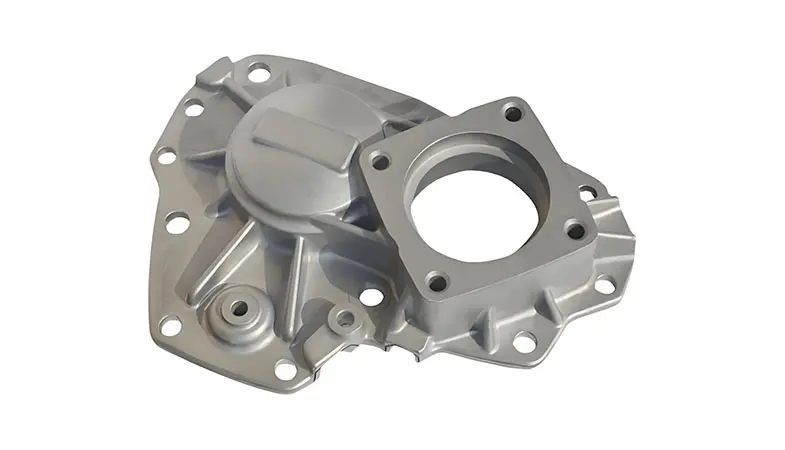
Bridging the gap between 3D printing and mass production. Ideal for low-volume testing and functional verification.
1. Industry 4.0 Integration: Smart factories are utilizing AI-driven sensors within molds to monitor pressure and temperature in real-time, ensuring zero-defect manufacturing for critical safety components.
2. Circular Economy: Global procurement teams are increasingly demanding parts made from post-consumer recycled (PCR) plastics. Our facility is already optimizing processes for bio-polymers and closed-loop recycling systems.
3. Consolidation of Parts: Through advanced molding techniques like "Overmolding" and "Insert Molding," we are helping clients consolidate multiple metal/plastic assemblies into single, high-performance parts, reducing total vehicle weight and assembly labor.
4. Localized Micro-Factories: While centralized production in China remains dominant, the trend is shifting towards "China + 1" strategies. We support this by providing digital twins of molds, allowing for seamless transfers between global production sites.

Submit your 3D drawings (STEP/IGES) for immediate project review.

Receive a detailed quote with Design for Manufacturing analysis within 24 hours.

Approve the DFM and tooling design. We begin the manufacturing process.

Prototypes in 1-3 days; mass production parts shipped globally via air or sea.
Ready to scale your automotive project? Contact our engineering team today for a comprehensive consultation.
 Creatingtec