Industrial components custom-engineered with dimensional stability, tight tolerance controls, and specialized surface finishes
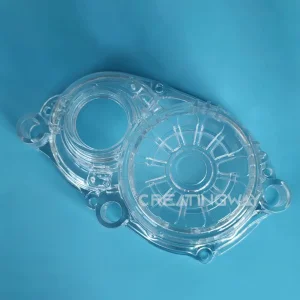
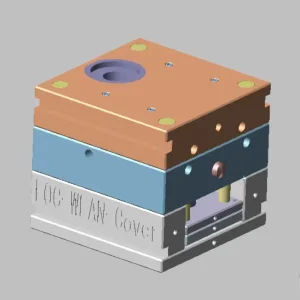
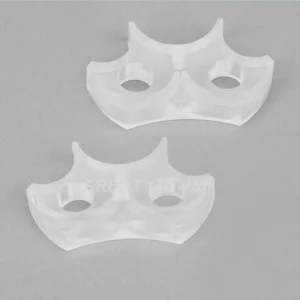
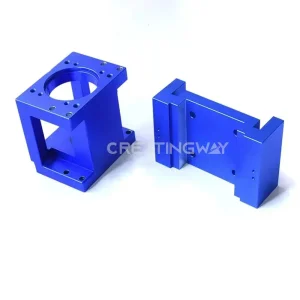
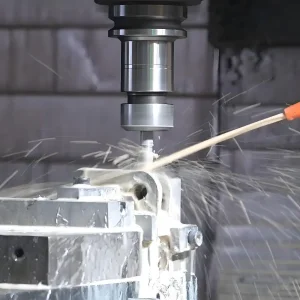
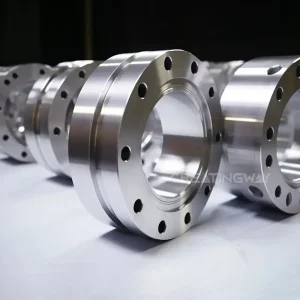
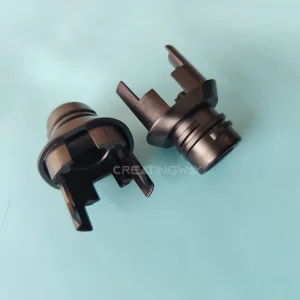
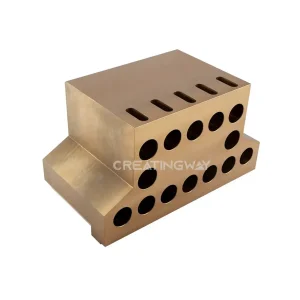
In the rapidly accelerating industrial manufacturing landscape, hardware developers face intense pressure to deliver parts that balance extreme geometric precision with cost efficiency. The modern supply chain demands high mechanical integrity and strict compliance with global technical guidelines. High-precision milled components serve as the backbone for critical assemblies in automotive engineering, aerospace technology, advanced medical systems, consumer electronics, and high-performance robotics.
An original design manufacturer (ODM) acts as more than a production facility; they serve as a core engineering partner. The difference between a simple build-to-print workshop and a qualified ODM factory lies in Design for Manufacturability (DFM) verification and proactive optimization processes. By deploying engineering expertise early in the design cycle, companies can refine geometries, select appropriate materials, and reduce tool wear. This mitigates risks before committing capital to tooling or high-volume CNC runs.
"True manufacturing reliability is defined by consistency. A qualified ODM facility ensures that the 10,000th machined part aligns exactly with the design specifications of the first prototype."
The selection of raw materials dictates the operational parameters of milled components. Advanced applications rely on both high-performance metals and complex engineering plastics.
Strategic procurement teams focus on measurable quality metrics rather than simple unit costs. Key performance indicators (KPIs) include Geometric Dimensioning and Tolerancing (GD&T) capabilities, CMM-verified metrology reports, raw material traceability certificates (MTRs), and process capability indexes (Cpk) exceeding 1.33. This standard ensures repeatable quality under the demanding schedules of modern factories.
Leveraging multi-axis machineries and advanced molding technologies to meet diverse manufacturing needs
We deploy high precision, tight tolerances, and flexible lead times to deliver functional prototypes and production-grade parts for complex engineering projects.
Our fleet of 3-axis, 4-axis, and high-speed 5-axis milling centers allows for single-setup processing of complex parts. This eliminates fixture misalignment and reduces setup times for complex geometric components.
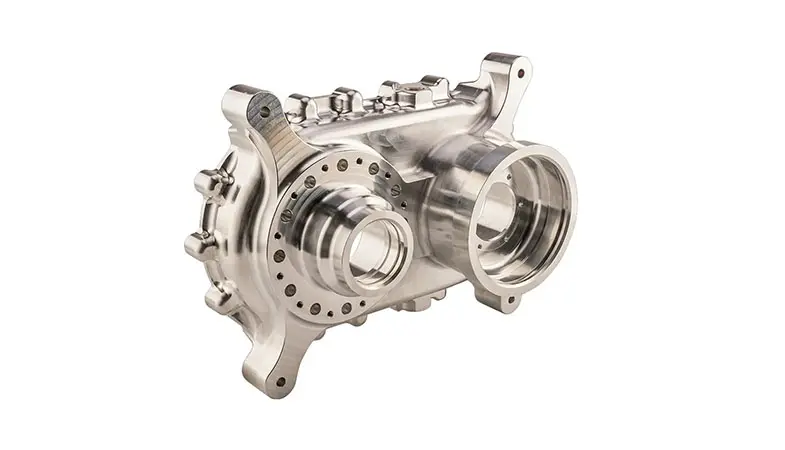
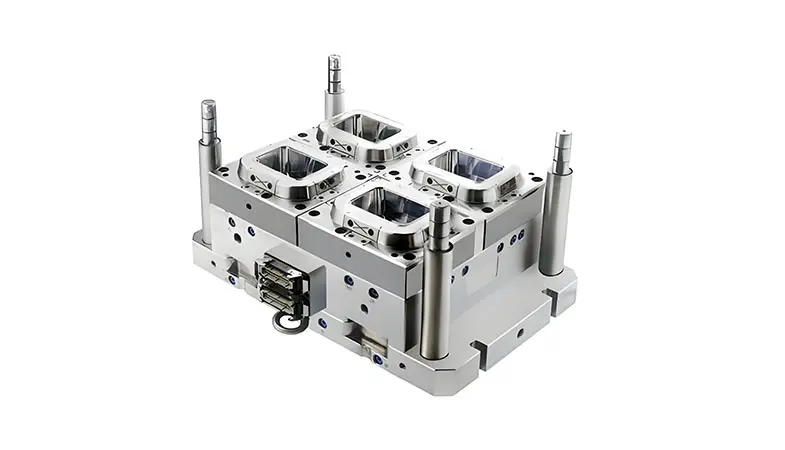
High-volume plastic injection molding using durable tool steels. Optimized hot-runner designs and gate placement minimize cycle times and prevent sink marks or warping in structural housings.
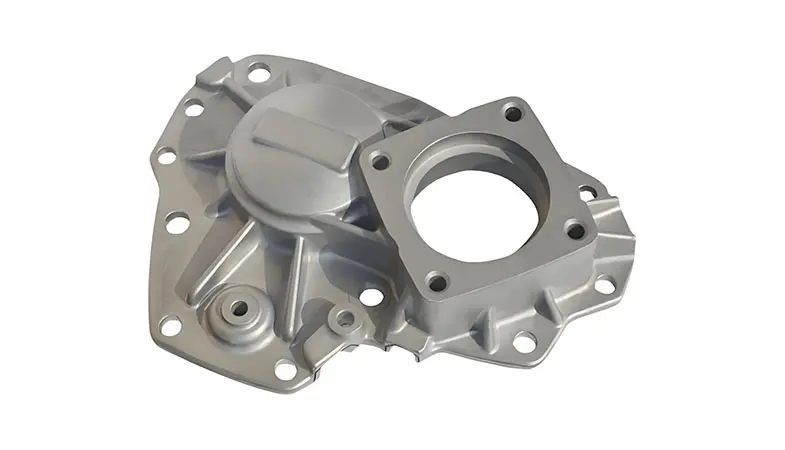
Direct Metal Laser Sintering (DMLS) and SLA/SLS plastic printing for fast concept verification. Suitable for geometries with internal channels that are impossible to machine using traditional subtractive methods.
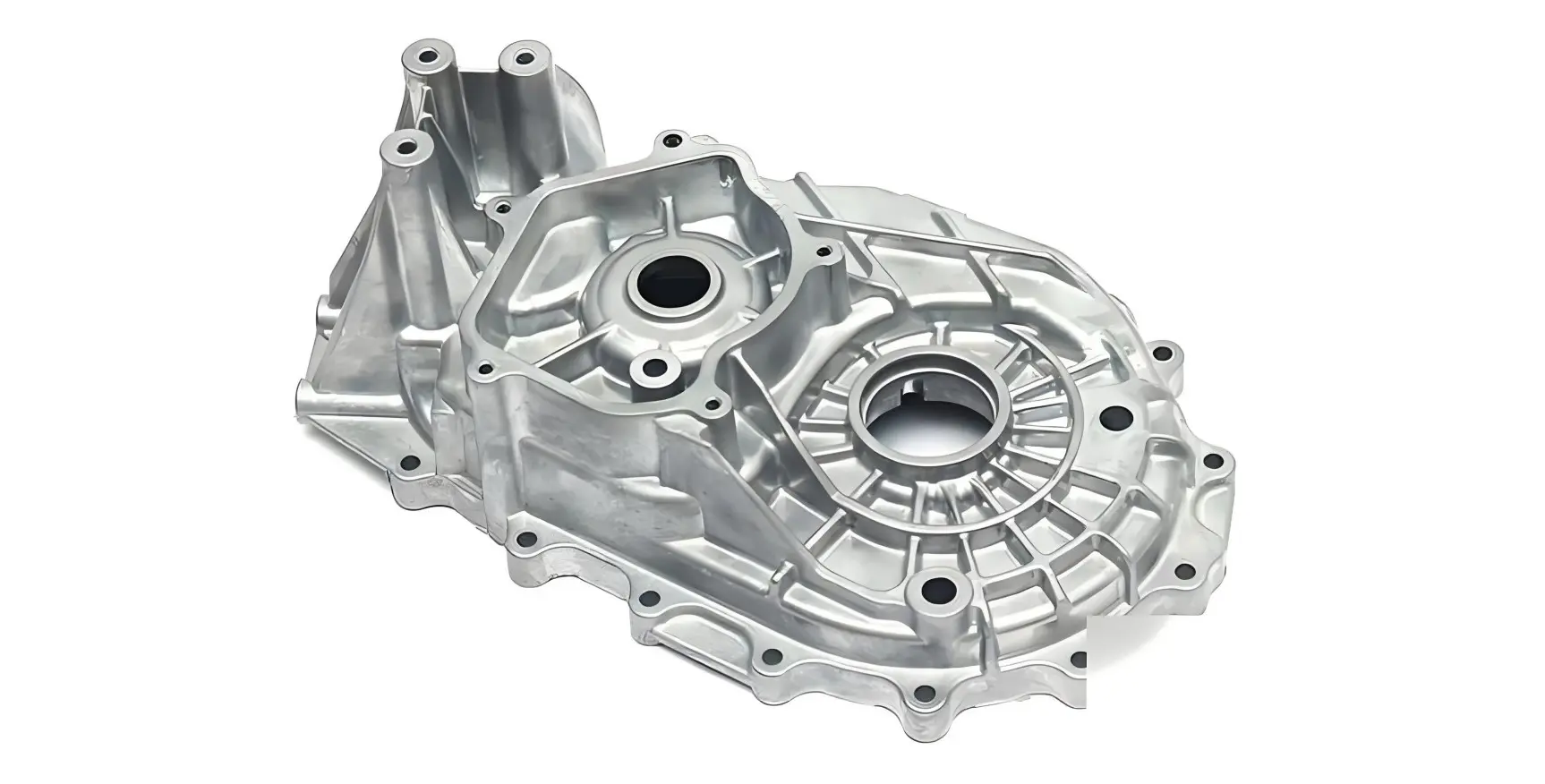
Automated aluminum and zinc alloy die-casting for lightweight housings. Combines net-shape casting with secondary CNC milling to achieve close tolerances on mating surfaces.
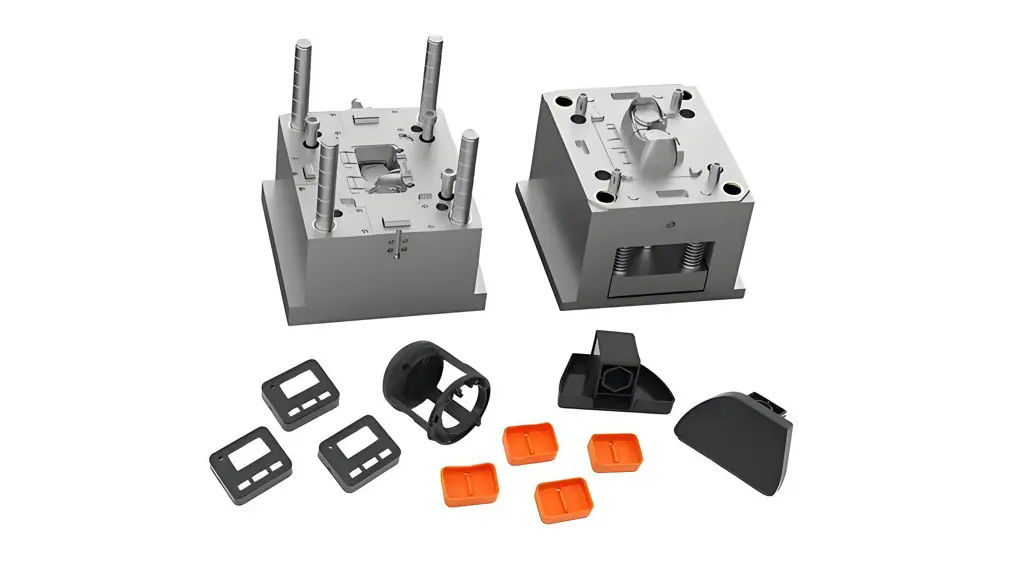
Bridge-to-production tooling with modular mold inserts. Enables fast design validation in production-grade plastics before committing to expensive, multi-cavity steel molds.
Western purchasing groups often evaluate the viability of sourcing components from China. The competitive edge of Chinese precision factories has transitioned from simple labor cost advantages to advanced supply chain consolidation and technical capability.
Modern Chinese CNC machining facilities integrate material formulation, tooling design, machining, surface finishing, and quality control within a single region. This geographic concentration minimizes transit times between sub-contractors, which in turn reduces lead times for complex assemblies like engine covers or multi-port hydraulic manifolds.
The global manufacturing sector is shifting from traditional OEM (Original Equipment Manufacturer) arrangements to collaborative ODM partnerships. Under the traditional model, clients provided complete drawings, and the factory functioned solely as a machine operator. If the design featured hard-to-machine geometries, costs rose without warning.
In contrast, the ODM model introduces collaborative engineering. The factory's internal design team reviews the client's assembly files to identify areas where tooling paths can be simplified, setup steps reduced, and raw material utilization improved. For example, modifying an internal corner radius from 1mm to 1.5mm allows the use of larger, more rigid end mills. This increases feed rates and reduces cycle times without compromising structural integrity.
Modern manufacturing plants rely on automated setups to maintain quality across high-volume production runs. Features like robotic workpiece loading, automated tool setters, in-machine probing systems, and central temperature-regulated workshops help prevent dimensional drift caused by thermal expansion.
How our precision milled components meet strict regulatory standards across key industries
Cast and CNC-machined ECU housings, heatsinks, and sensor brackets requiring high heat dissipation and environmental seals.
Aluminum enclosures, cosmetic buttons, and internal structural components with premium surface finishes like anodizing and sandblasting.
High-stress shaft assemblies and structural linkages machined from titanium and high-strength alloys under strict quality standards.
Biocompatible polymer parts and surgical instrument components machined under controlled environments to avoid contamination.
Lightweight joint enclosures, planetary gear carriers, and robot arm linkages requiring high stiffness-to-weight ratios.
Four streamlined phases to take your project from CAD files to production parts

Upload Your CAD Drawing
Submit your 3D CAD files (STEP, IGES) alongside 2D PDF drawings to outline your material choice, finish, and tolerances.

Get Quote with DFM Analysis
Receive a detailed quote and a Design for Manufacturability (DFM) review within 24 hours to resolve potential machining conflicts.

Confirm Order & Tooling
Once DFM approval is complete, we configure tooling setups, verify fixture design, and schedule initial production runs.

Inspection & Delivery
Completed prototypes are ready in as fast as 1-3 days. Parts undergo final CMM inspections and are packaged for international shipment.


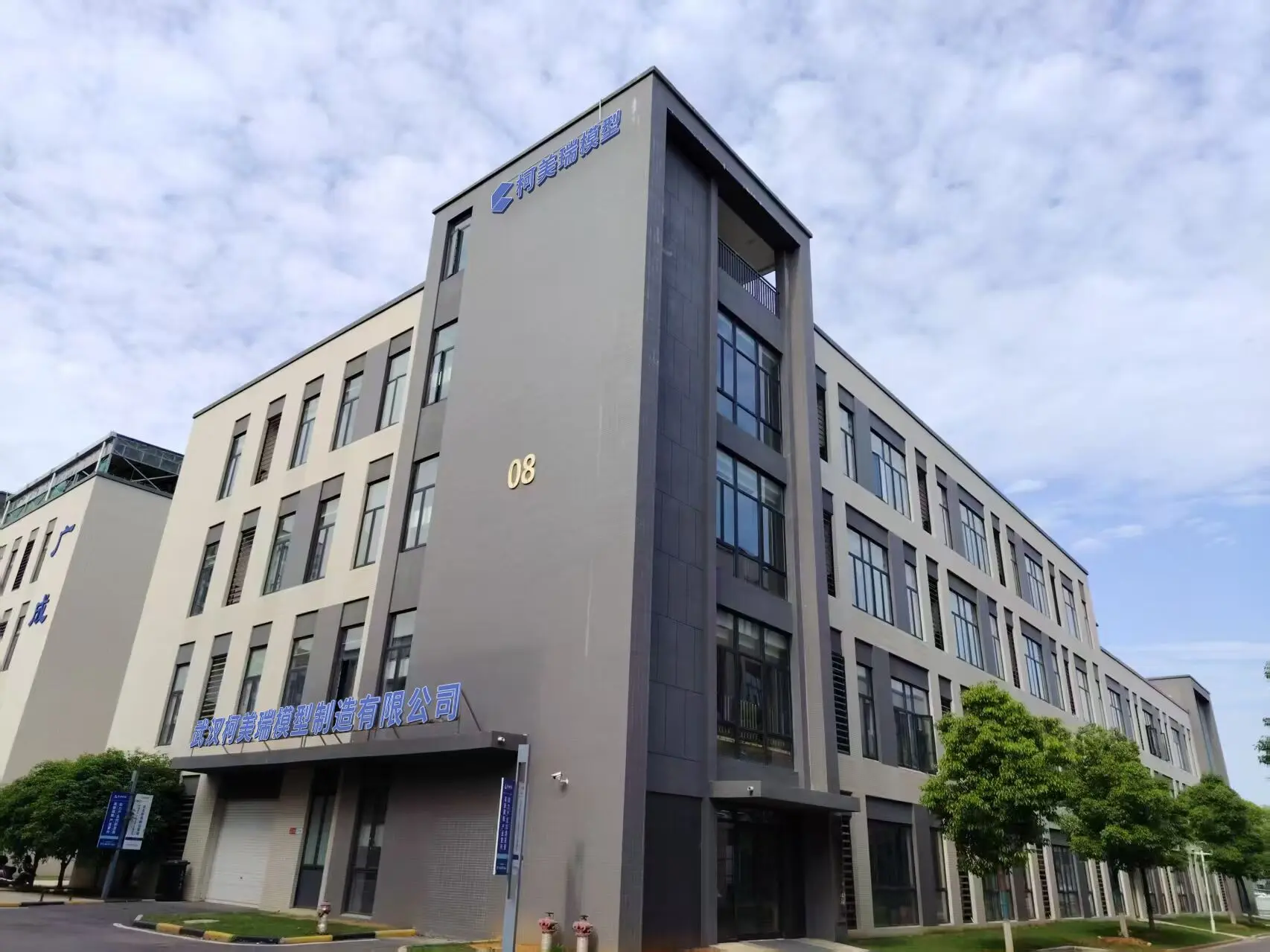
Creatingtec Manufacturing Limited was founded by experienced engineers specializing in precision machining and complex tooling. Our operations began with a focus on core CNC equipment. Today, we manage a 2,000m² facility housing advanced CNC milling centers, precision injection molding equipment, and sheet metal fabrication lines.
We focus on providing flexible, low-to-medium volume production that bridges the gap between early-stage prototyping and mass production. Our engineers leverage mechanical machining technologies to help clients prototype, design tools, and scale production. This approach helps lower engineering risks and speeds up time-to-market.
Technical analyses and manufacturing guides from our engineering team
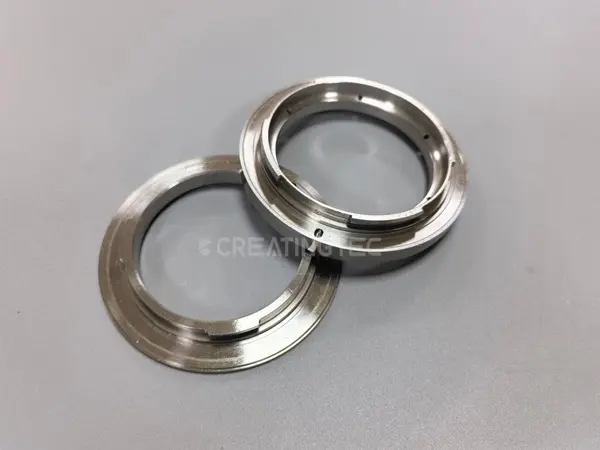
Creatingtec maintains a strict quality control workflow certified to international standards. This process ensures dimensional accuracy and material reliability across every production run.
MORE →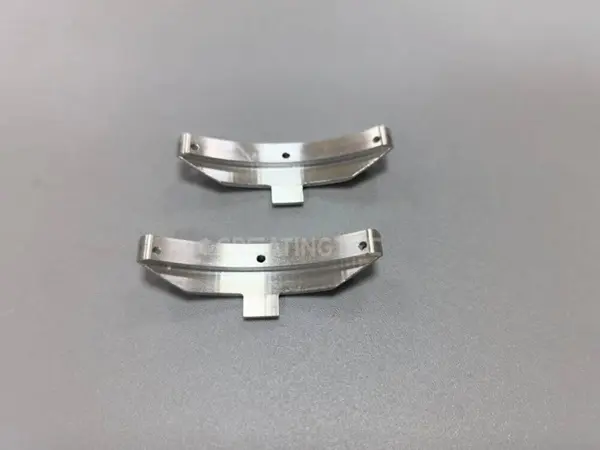
To achieve zero-defect manufacturing for complex metal structures, Creatingtec deploys state-of-the-art production setups and specialized machining processes.
MORE →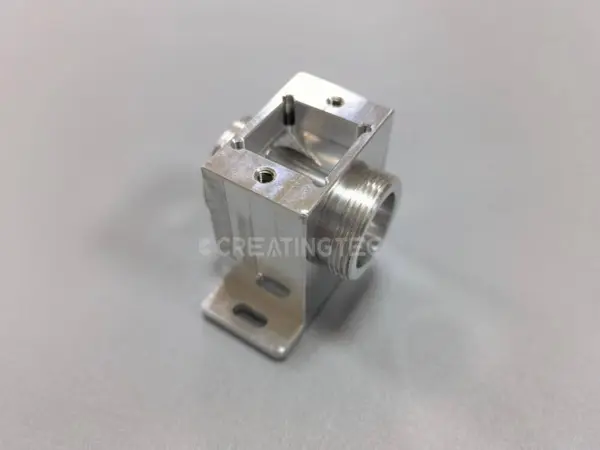
In the global hardware manufacturing landscape, the journey from design blueprint to physical product requires precise control over dimensions and material properties.
MORE →Serving global OEMs and hardware developers in automotive, aerospace, and medical engineering sectors









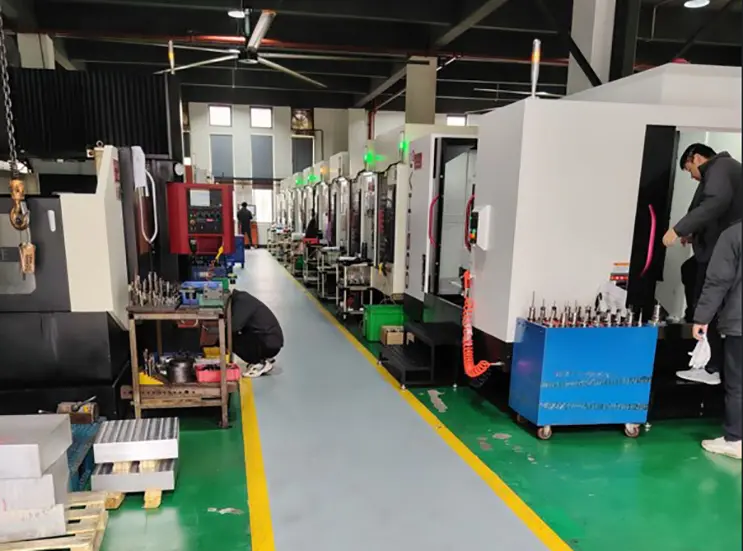
Bringing a new hardware concept to market involves structural, material, and geometric challenges. The primary obstacle during prototype development is the transition from initial design concepts to scalable manufacturing setups.
By using mechanical machining technologies, we support your product development cycle with prototype and production-run manufacturing solutions. These processes help engineering teams transform concepts into verified physical components quickly, accurately, and cost-effectively.
Our rapid tooling services utilize modular insert structures to minimize tooling investments for medium-volume productions. This approach enables developers to test components in actual operating environments, verify fitment, and perform mechanical fatigue tests before investing in production-grade steel molds.
Technical details regarding lead times, machining tolerances, material choices, and quality controls
Our standard machining processes achieve tolerances within ±0.05mm. For critical interfaces and mating features, we can hold dimensions within ±0.02mm to ±0.01mm using specialized machine setups and in-process coordinate inspections. Exact tolerances depend on part geometry, material choice, and thermal expansion properties.
All raw materials are sourced from qualified mills and arrive with Material Test Reports (MTRs) verifying chemical composition and physical properties. We offer certificate copies upon request. For critical industrial applications, we conduct independent spectrographic testing to confirm material properties before machining begins.
Simple geometries can be machined and shipped in as fast as 1-3 days. If complex post-processing is required, such as anodizing, passivation, laser etching, or electropolishing, lead times are typically 4-5 days. Medium-volume production schedules are established during the quotation and DFM review stage.
Yes. We regularly machine components from POM, PMMA, PEEK, Polycarbonate (PC), and Nylon. For plastics, we control spindle speeds and feed rates to prevent thermal deformation, and we select appropriate tool coatings to ensure clean surface finishes on optical components.
Every RFQ receives a comprehensive engineering and DFM review. Our engineers evaluate part geometries for features that are difficult to machine, suggest modifications to optimize fixture setups, and recommend material alternatives to help reduce overall manufacturing costs.
Explore our full range of structural enclosures, machined shafts, and custom tooling assemblies
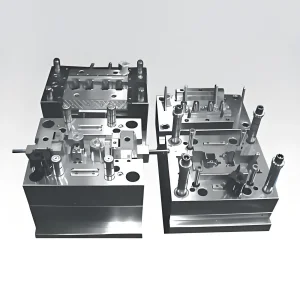
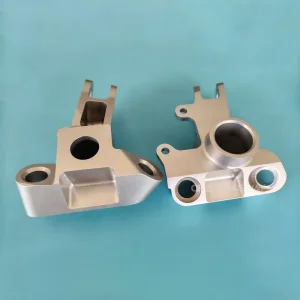
Upload your CAD models for a free engineering analysis and pricing quote. Our engineers will review your files and provide feedback within 24 hours.
 Creatingtec