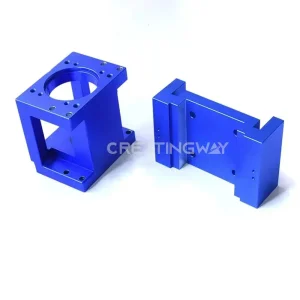
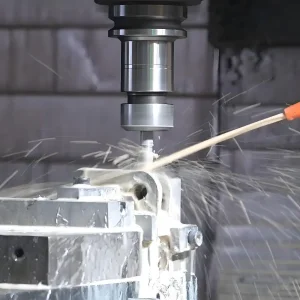
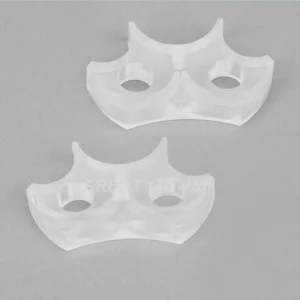
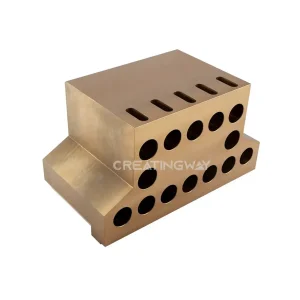
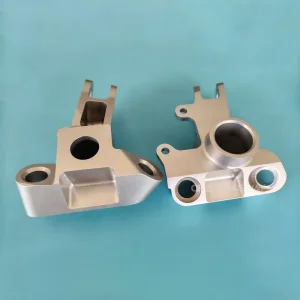
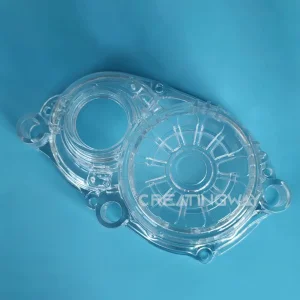
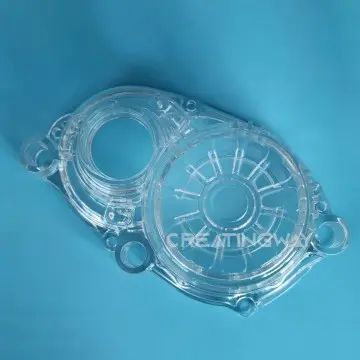
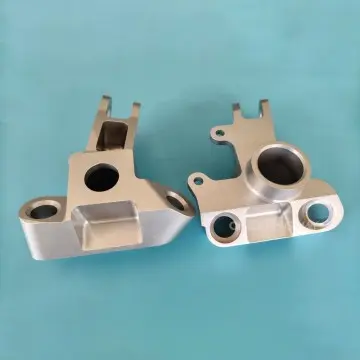
In the current era of "Industrial 4.0," the global demand for miniaturized, high-complexity metal components has surged. Metal Injection Molding (MIM) has emerged as a disruptive technology that bridges the gap between conventional powder metallurgy and plastic injection molding. As a leading ODM Metal Injection Molding Manufacturer, we recognize that the market is shifting toward materials that offer superior mechanical properties without compromising on geometric intricacy.
Unlike traditional CNC machining where material waste (chips) can account for up to 80% of the raw block, MIM is a "near-net-shape" process. It achieves 95-98% material utilization. For complex alloys like Titanium or 17-4 PH Stainless Steel, this results in massive cost efficiencies for large-scale production. Our factory leverages semantic design principles to optimize feedstock flow, ensuring zero-defect manufacturing.
Mixing ultra-fine metal powders with thermoplastic binders to create a homogenous medium.
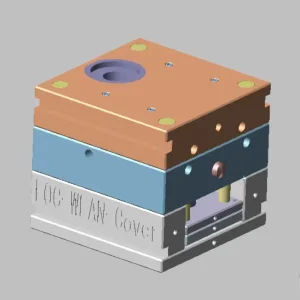
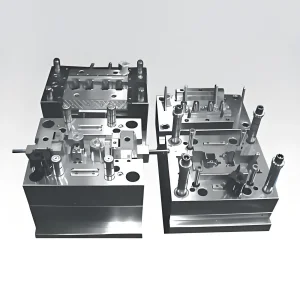
Injecting the feedstock into custom-engineered molds to form the "green part."
Removing the binder through thermal or catalytic processes, creating the "brown part."
Heating parts to near melting point in a vacuum to achieve full metallurgical density.
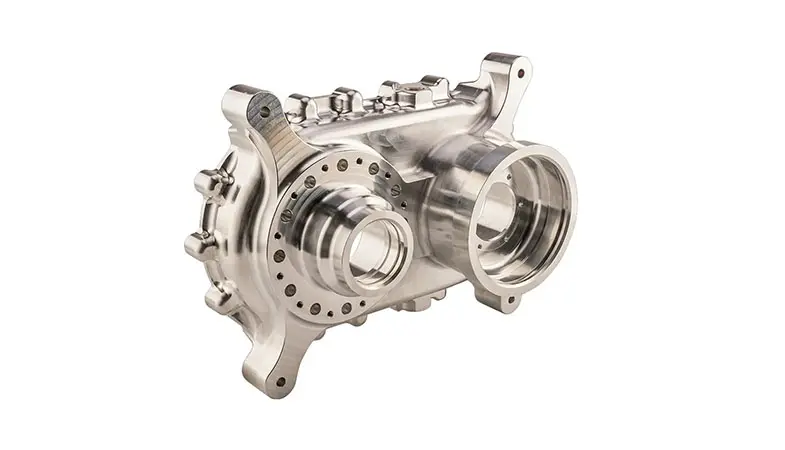
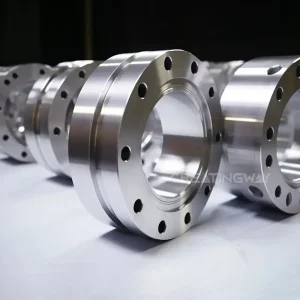
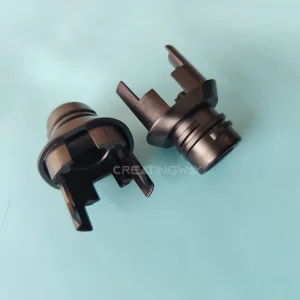
High precision, tight tolerance (+/-0.02mm), and flexible delivery. We create wide ranges of prototypes and mass production units.
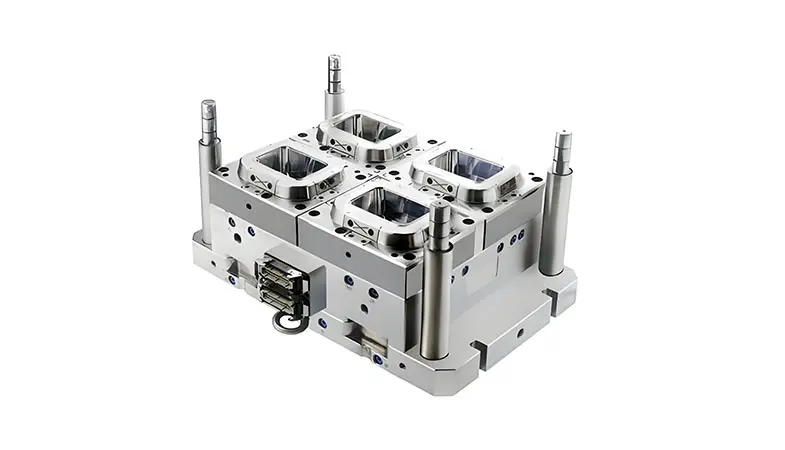
Supporting both plastic and metal injection molding for complex hardware housings and internal structural components.
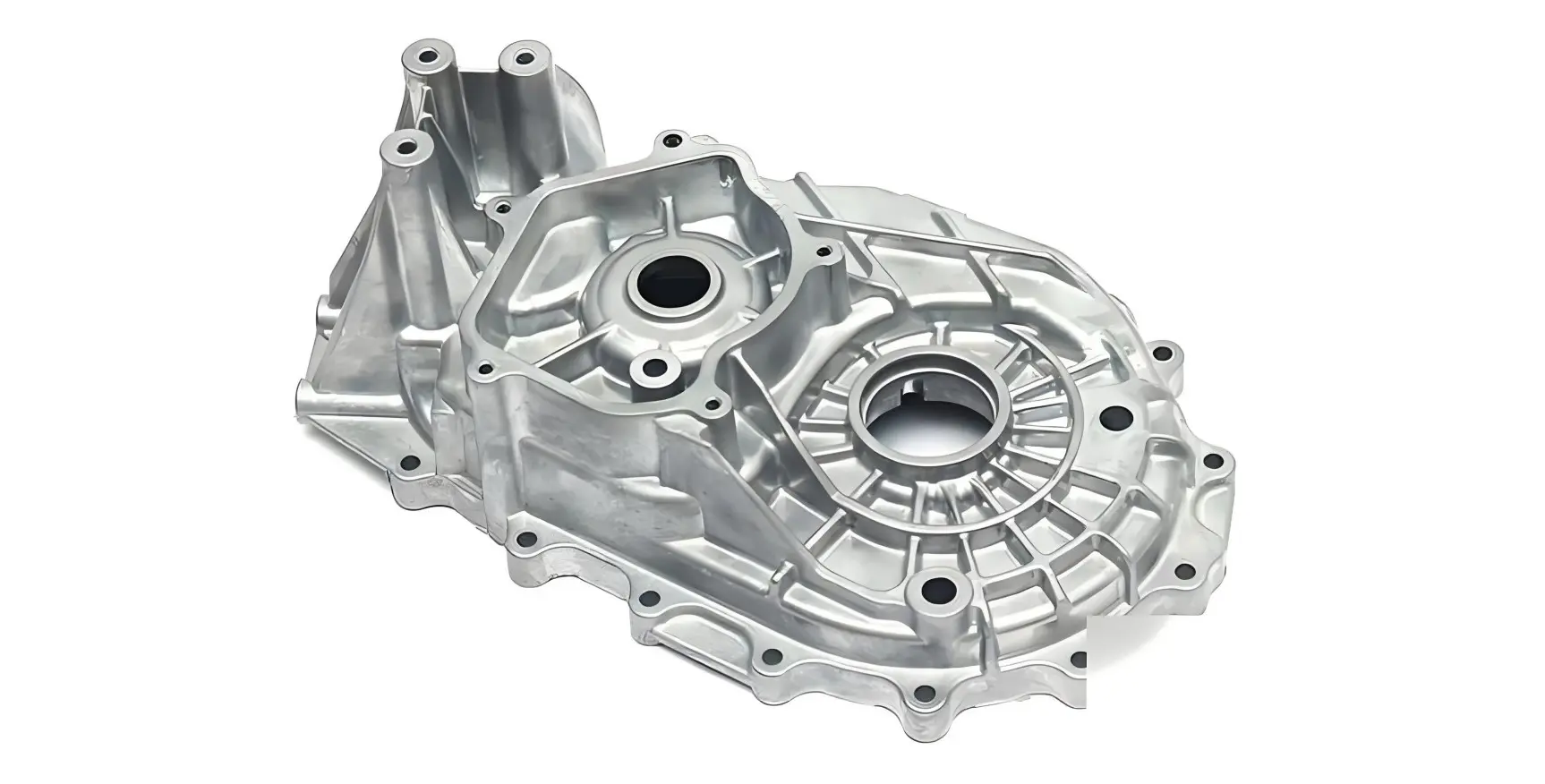
Utilizing state-of-the-art die casting for electronic control housing parts and heavy-duty industrial components.
We serve critical industries where precision is non-negotiable. Our MIM solutions are engineered for localized performance and global compliance.
Turbocharger components, fuel injection sensors, and locking mechanisms. MIM provides the heat resistance and durability required for engine-bay environments.
Surgical instruments, orthodontic brackets, and implantable device housings. Our factory adheres to ISO 13485 standards for biocompatibility.
Aeroplane shaft parts and complex fin stabilizers. MIM allows for the use of super-alloys that are notoriously difficult to machine.
Hinges for foldable smartphones, camera ring protectors, and wearable internal frames. Achieving aesthetic finish and structural strength.
Precision gears, micro-actuators, and sensor housings for high-cycle industrial automation equipment.
As a seasoned MIM Factory, we provide more than just parts; we provide assurance. Our engineering team offers on-site DFM (Design for Manufacturing) support to global clients, ensuring that designs are optimized for the MIM technical route before tool kickoff.
The future of MIM lies in Material Diversity and AI-Driven Simulation. We are currently integrating AI to predict sintering shrinkage with 0.001mm accuracy, reducing the need for secondary machining. Our roadmap includes the development of "MIM+3D Printing" hybrid workflows, allowing for rapid prototyping with the same material properties as mass-produced MIM parts.
A: Tooling usually takes 3-4 weeks. Once the mold is qualified, the first production batch can be delivered within 2 weeks, depending on the complexity of the debinding/sintering cycle.
A: Yes, our sintering process achieves densities between 96% and 99% of theoretical wrought density, providing comparable mechanical properties for most industrial applications.
A: While 3D printing is excellent for prototypes, MIM is far more cost-effective for quantities over 1,000 pieces, offering better surface finish and tighter dimensional consistency.
Upload your CAD drawings today for a free DFM analysis and competitive quote within 24 hours.
 Creatingtec