The global medical device market is undergoing a seismic shift. As we enter the era of Personalized Medicine and Miniaturized Diagnostics, the demand for precision injection molding has never been higher. According to recent industrial data, the medical plastics market is projected to reach unprecedented heights by 2030, driven by the increasing prevalence of chronic diseases and the rapid adoption of wearable medical tech.
Modern ODM Medical Device Injection Molding Manufacturers are no longer just "part makers." We are strategic partners in the R&D cycle. The integration of high-performance polymers like PEEK, Ultem, and Bio-compatible Liquid Silicone Rubber (LSR) requires a level of expertise that goes beyond traditional manufacturing. Our factory implements Class 100,000 cleanroom environments to ensure that zero-contamination protocols are met for Class II and Class III medical devices.
Producing components with tolerances as tight as +/- 0.01mm for surgical robotics and implantable electronics.
Transitioning to bio-based medical polymers and closed-loop waste recycling systems to meet global ESG standards.
Utilizing sensor-embedded molds to monitor real-time pressure and temperature, ensuring 100% repeatability.
Procurement teams from the US, EU, and Japan are shifting their focus from "Cost-Only" to "Resilience-First." In the medical sector, Risk Mitigation is the primary driver. A reliable ODM factory must demonstrate deep compliance with ISO 13485:2016 and provide full traceability from raw material lot numbers to the final shipped part.
Key Procurement Requirements include:
Creatingtec exemplifies the "China Factory 4.0" model. Located in the heart of the global manufacturing hub, we leverage an unparalleled ecosystem of sub-suppliers, logistics, and engineering talent. Unlike localized western shops, we offer a 30-40% faster time-to-market due to our integrated supply chain.
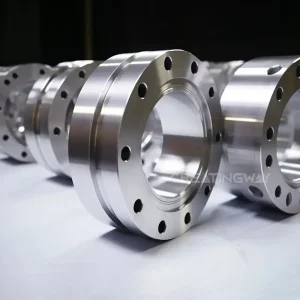
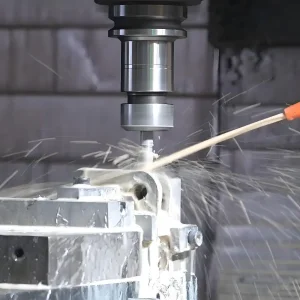
Our 2000m2 facility is equipped with high-speed CNC centers and automated injection molding cells. By combining AI-driven production scheduling with traditional craftsmanship, we achieve a balance of efficiency and precision that defines the new industrial standard.
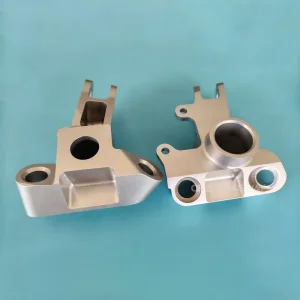
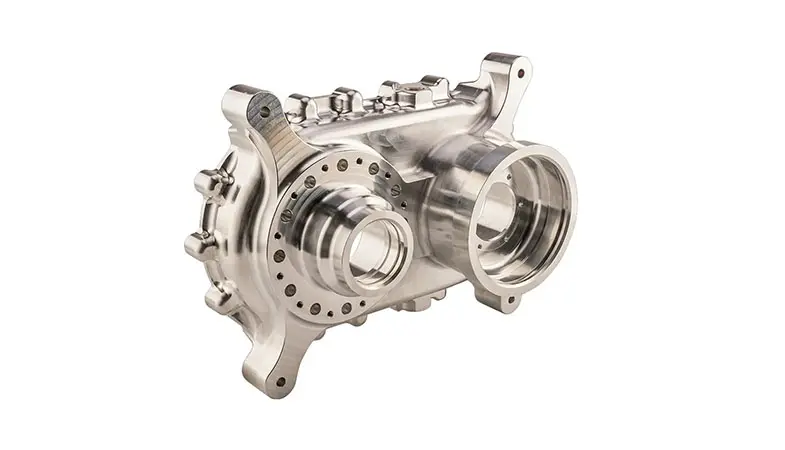
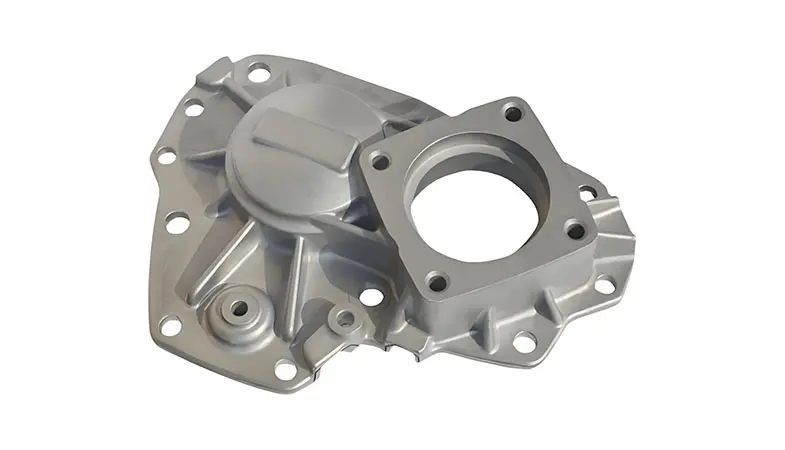
High precision, tight tolerance, and flexible delivery. We provide prototypes in 1-3 days. Tight tolerance down to +/-0.02mm through advanced engineering control.
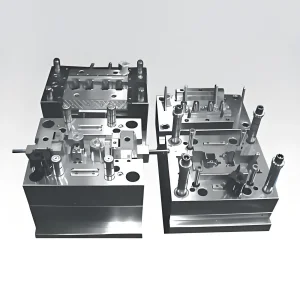
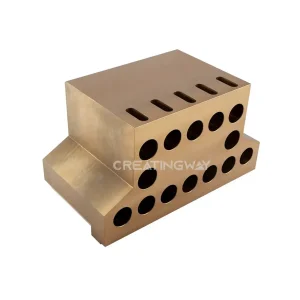
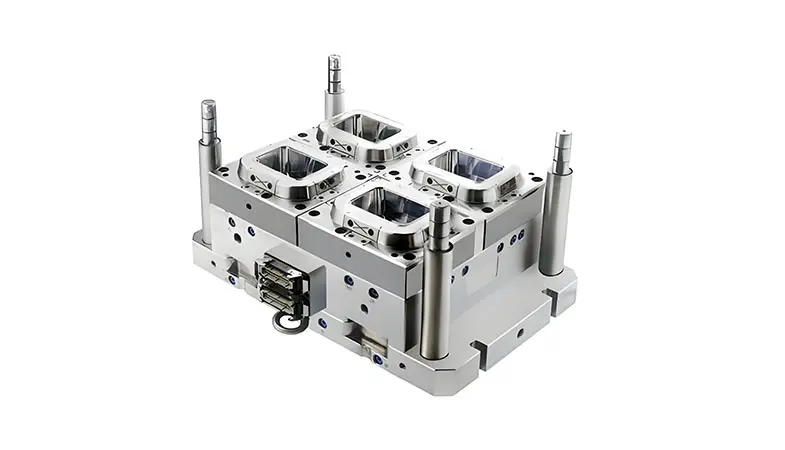
Scalable production for medical, automotive, and consumer electronics. Our mold tool manufacture ensures long-term tool life and consistent part quality.
Rapid tooling and 3D printing for proof-of-concept. Bridge the gap between digital design and physical reality in record time.
Simply choose a manufacturing way and submit details for your projects via our secure portal.
Receive a detailed quote with Design for Manufacturing analysis within 24 hours.
Once order and DFM are confirmed, we begin precision manufacturing with optional finishing.
Fastest prototypes ready in 1-3 days, shipped anywhere in the world with full tracking.
High-durability housings and sensors for the next generation of EVs.
Aesthetic and functional components for smart home devices and wearables.
Complex, lightweight parts using special materials for extreme conditions.
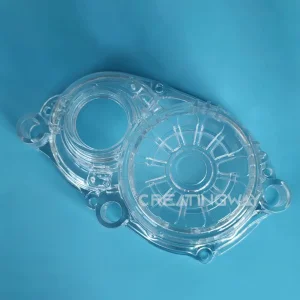
Our core specialty: ISO-compliant components for life-saving technology.
Precision joints and structural parts for industrial automation.
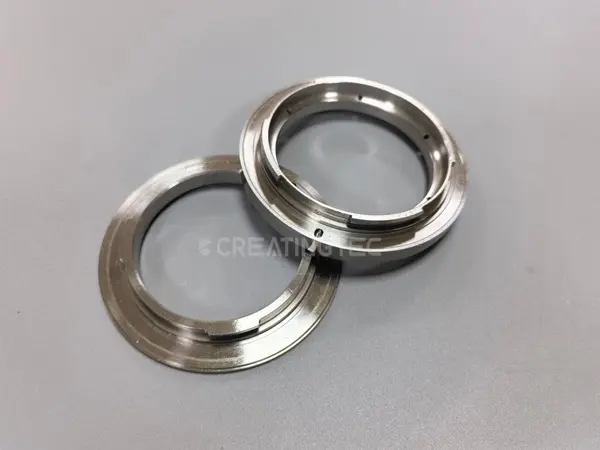
The Uncompromising Quality Infrastructure Safeguarding Complex Hardware Systems. Creatingtec maintains a strict QC workflow.
READ MORE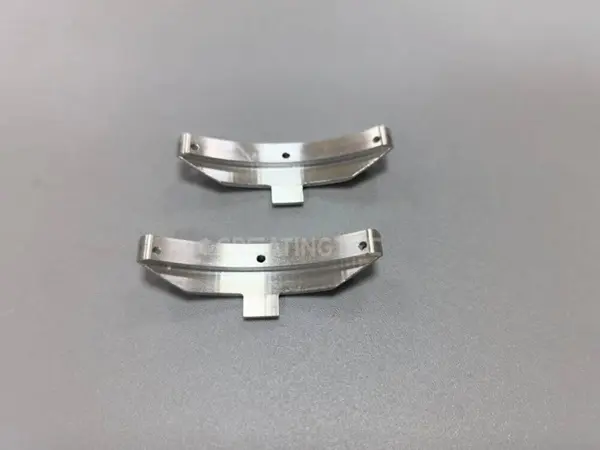
Master Class in Precision Manufacturing – Turning Complex Metal Enclosures into reality with zero-defect goals.
READ MORE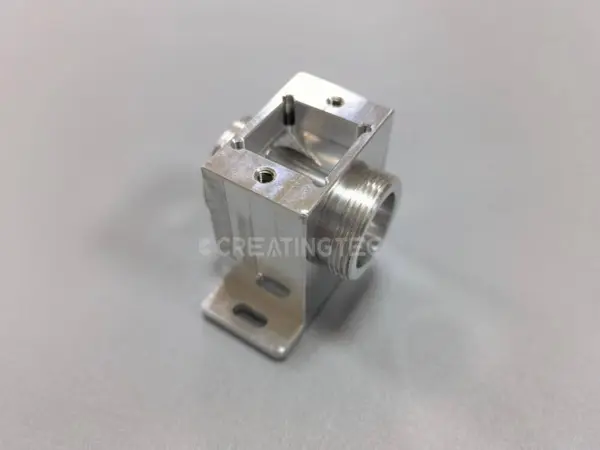
How Engineering Excellence Shapes Concept into Market-Ready Physical Products for global hardware landscapes.
READ MORE Creatingtec