In the current global industrial landscape, ODM (Original Design Manufacturing) Injection Molding Part Design has shifted from simple drafting to a multi-disciplinary engineering science. As companies in the US, EU, and Southeast Asia seek to mitigate supply chain risks while maintaining cost-effectiveness, the role of a sophisticated design supplier has become paramount. Modern part design is no longer just about aesthetics; it encompasses polymer rheology, AI-driven mold flow analysis, and "Design for Circularity" (DfC) to meet ESG mandates.
This report explores how top-tier manufacturers are leveraging China's Factory 4.0 infrastructure to provide unmatched information gain in the manufacturing process—transforming raw CAD data into high-performance, market-ready industrial components.
Suppliers are now using AI algorithms to optimize part geometry for weight reduction (lightweighting) without sacrificing structural integrity. This is crucial for the automotive and aerospace sectors where every gram counts.
The transition from metal to plastic (Metal-to-Plastic Conversion) is accelerating. PEEK, PPS, and long-glass fiber reinforced polymers are being designed into components once thought only possible via CNC machining.
Companies are demanding "Green Tooling" and the use of Post-Consumer Recycled (PCR) resins. Design suppliers must now account for different shrinkage rates and flow characteristics of recycled materials.
Before a single piece of steel is cut for a mold, a digital twin of the injection process is created. This reduces T0 (first trial) failure rates by up to 40%, significantly shortening Time-to-Market (TTM).
As medical devices and electronics shrink, the demand for high-precision micro-parts (sub-millimeter features) requires suppliers to invest in specialized micro-molding design expertise.
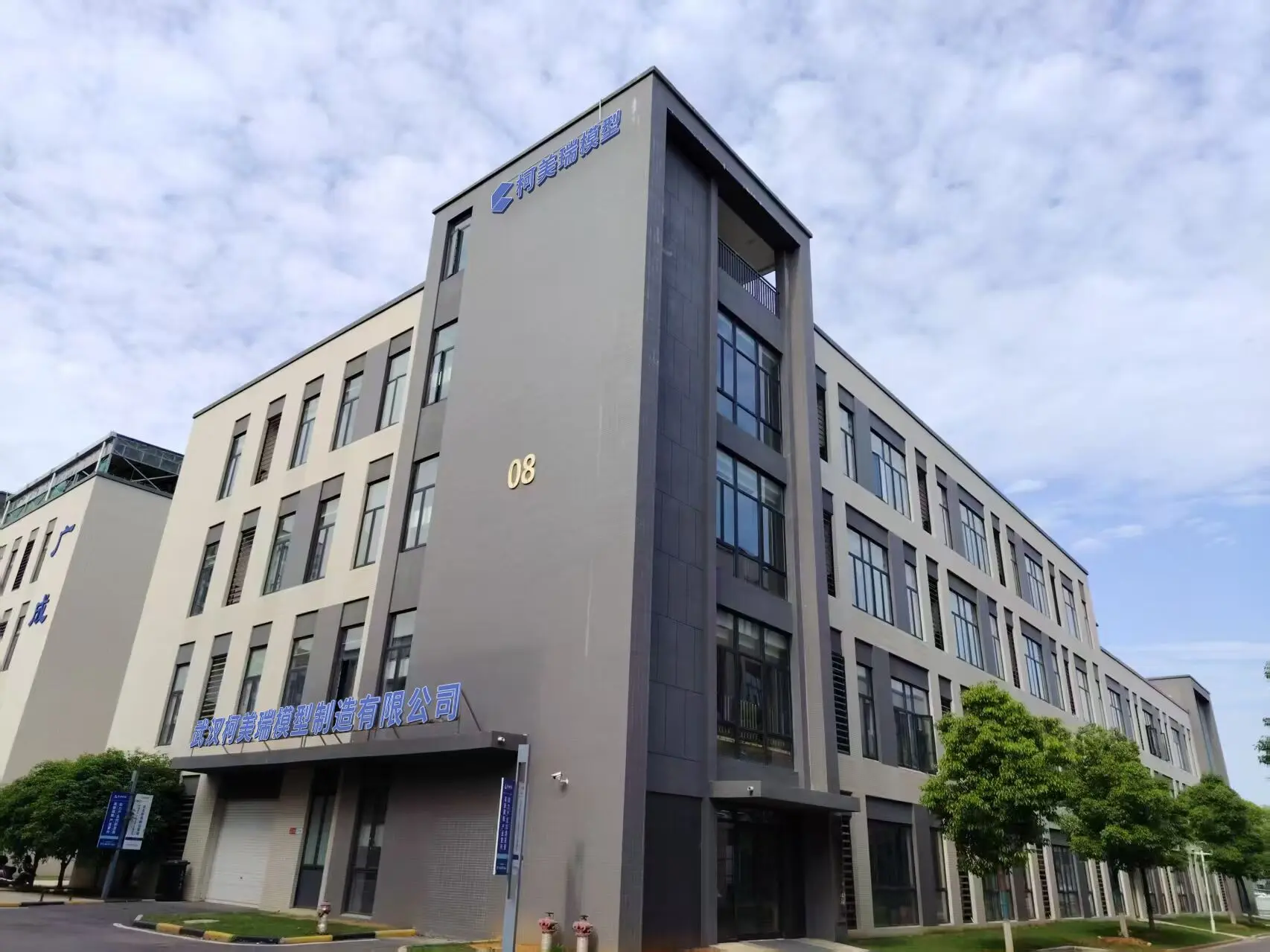
Creatingtec Manufacturing Limited was founded by two visionary engineers with deep roots in precision machining and mold tool manufacture. Our journey began with a commitment to "delight customers with highly flexible low-volume manufacturing services."
Today, our 2,000m² facility integrates CNC machining, injection molding, and sheet metal fabrication. We don't just manufacture; we partner with your engineering team to ensure every part is optimized for the best possible outcome.
Modern procurement is about "Risk Mitigation." Creatingtec utilizes an integrated supply chain within the Pearl River Delta, ensuring that raw material sourcing, heat treatment, surface finishing, and logistics are all within a 50km radius. This "Cluster Effect" provides a buffer against global logistics volatility.
Our Factory 4.0 initiatives include real-time ERP tracking, allowing global clients to monitor their mold build and production cycles in real-time, bridging the geographic gap between Western design teams and Eastern manufacturing floors.
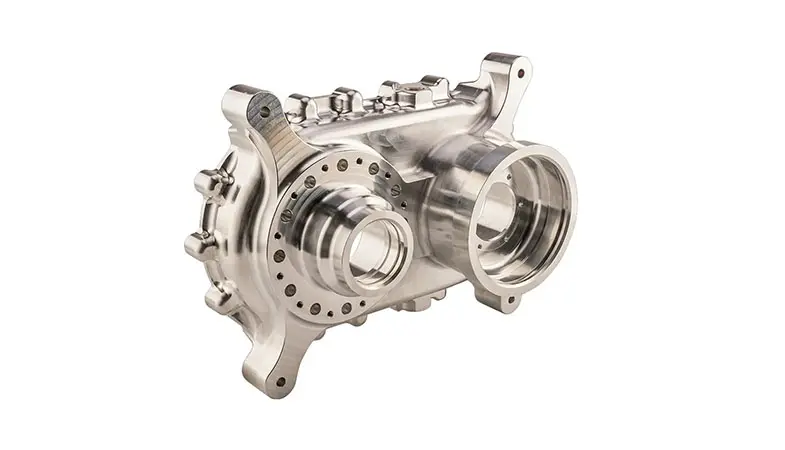
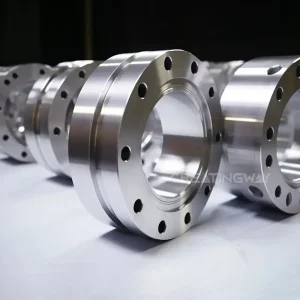
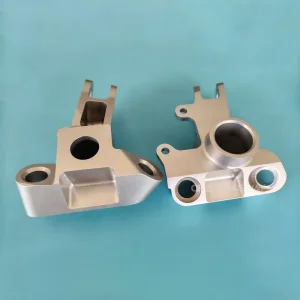
High precision, tight tolerance, and flexible delivery. 1-3 days for prototypes. Tolerance down to +/-0.02mm.
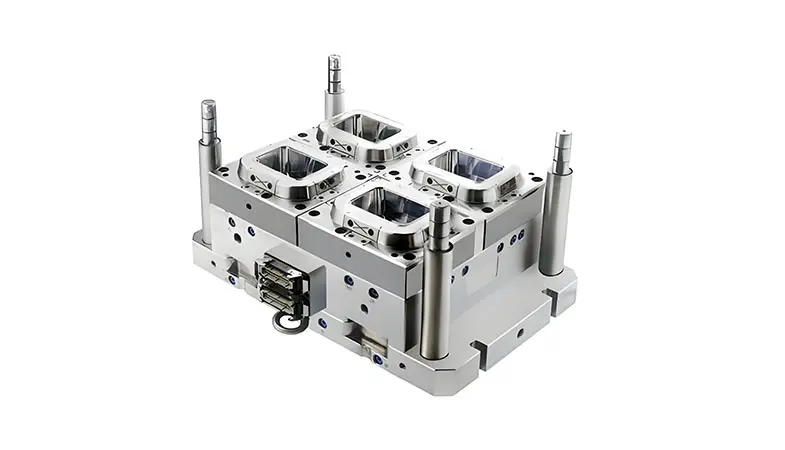
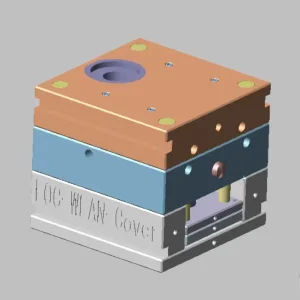
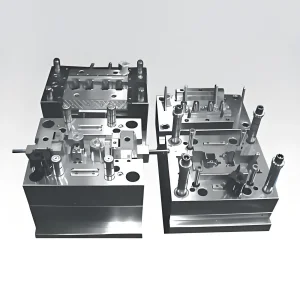
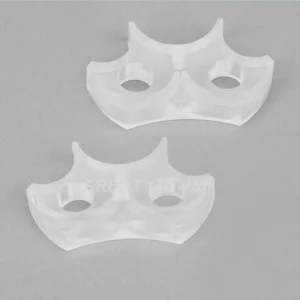
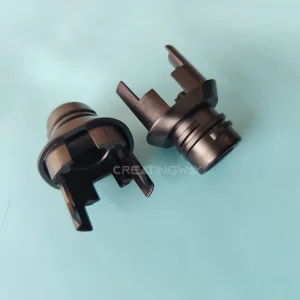
Custom ODM part design and high-volume production using advanced injection tooling and material selection.
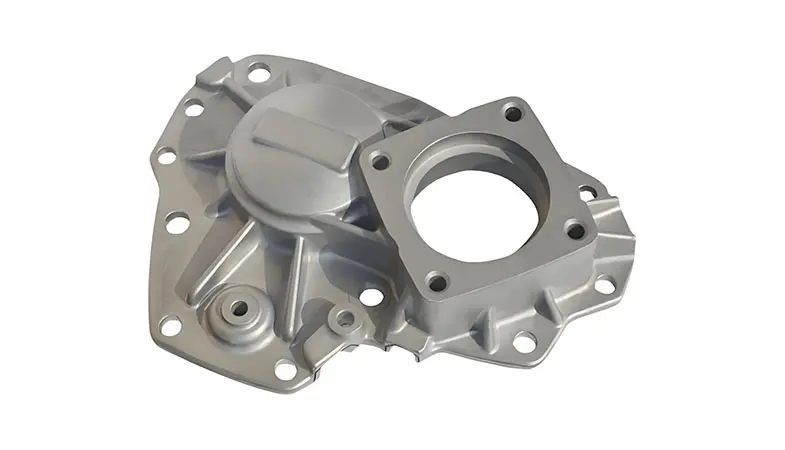
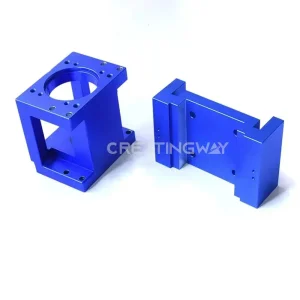
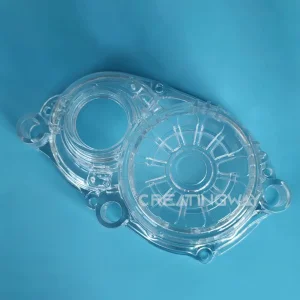
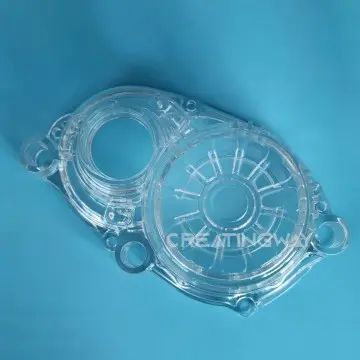
Ideal for rapid validation and complex internal geometries that traditional machining cannot achieve.
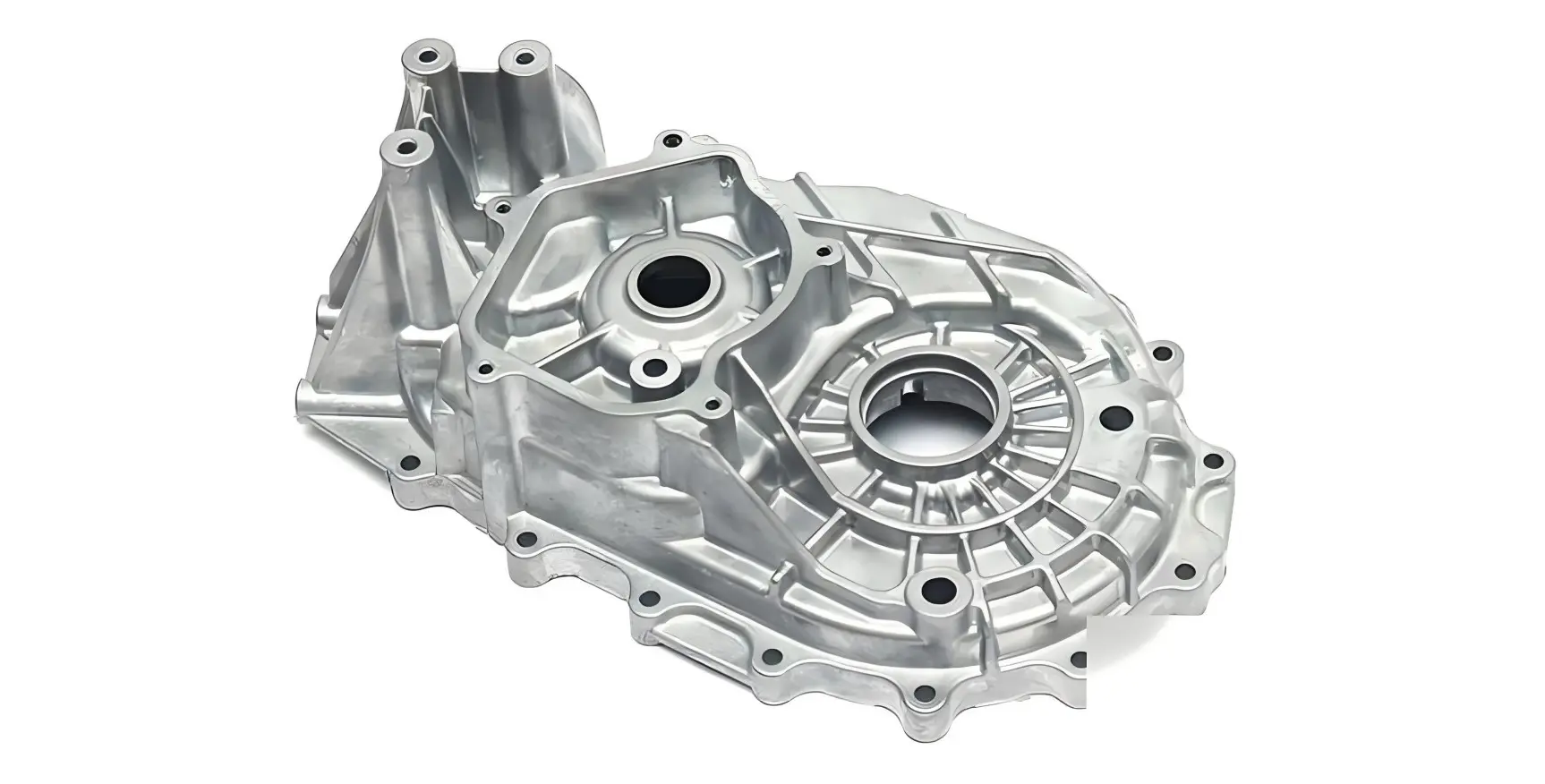
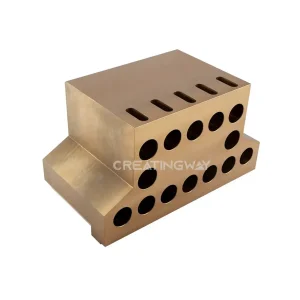
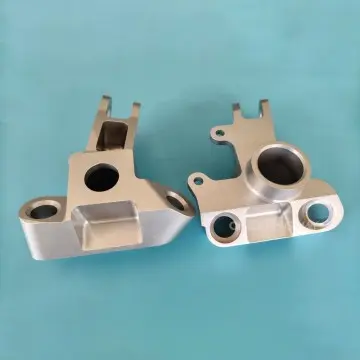
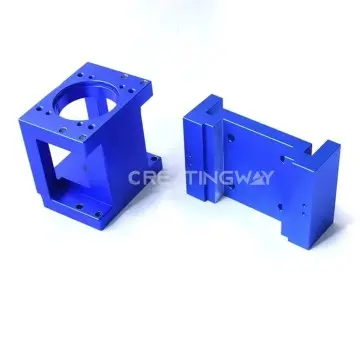
Robust solutions for electronic housings and automotive components requiring high strength and thermal conductivity.
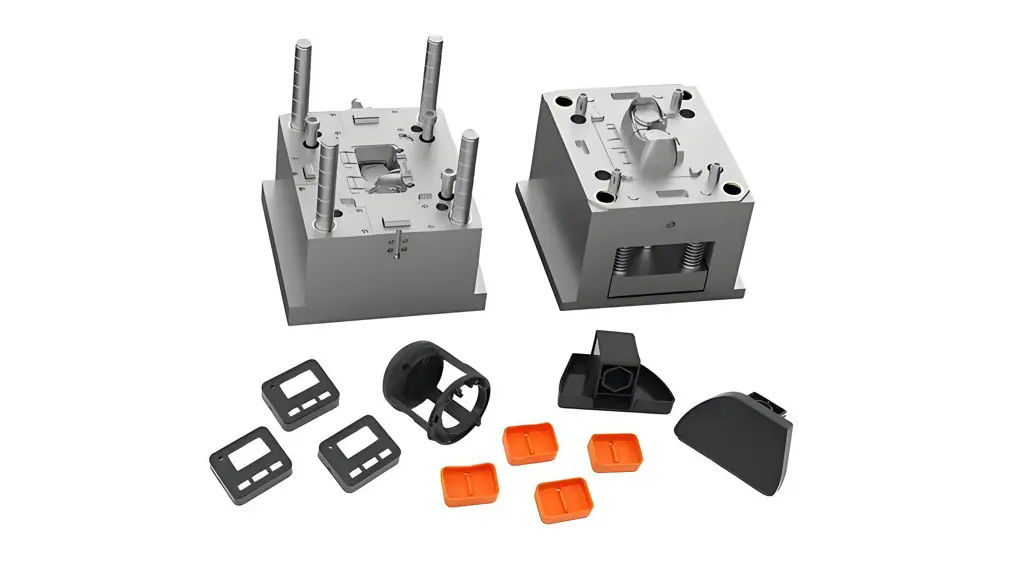
Bridging the gap between prototyping and mass production with cost-efficient mold solutions.

Upload your CAD drawings (STEP, IGES, or SolidWorks). Our system initiates an immediate engineering audit.

Receive a detailed quote with Design for Manufacturing (DFM) analysis in 24 hours to optimize costs.

Orders are confirmed, and the manufacturing process begins with precision monitoring at every stage.

Fastest prototypes ready in 1-3 days, shipped anywhere in the world via optimized air freight.
Designing ECU housings and sensor mounts that withstand extreme vibrations and thermal cycling.
Focusing on high-gloss finishes, over-molding for soft-touch grips, and EMI shielding integration.
ISO 13485 compliant processes for surgical tools and diagnostic equipment using biocompatible resins.
Lightweight high-strength parts designed for structural integrity in pressurized environments.
Precision gears, linkages, and structural frames requiring low friction and high wear resistance.
A: Cycle time is primarily driven by cooling. We optimize design by maintaining uniform wall thickness, using conformal cooling channels in the mold design, and selecting materials with higher thermal conductivity where applicable. Our DFM feedback will suggest "coring out" thick sections to prevent sink marks and speed up cooling.
A: OEM (Original Equipment Manufacturing) usually means we build exactly to your drawings. ODM (Original Design Manufacturing) involves us taking your functional requirements and handling the engineering design, material selection, and optimization for you. Creatingtec offers a hybrid approach, providing expert design consultancy even for OEM projects.
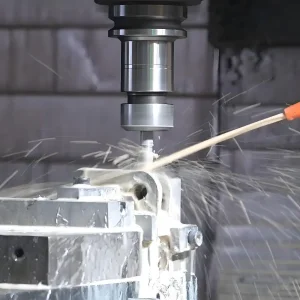
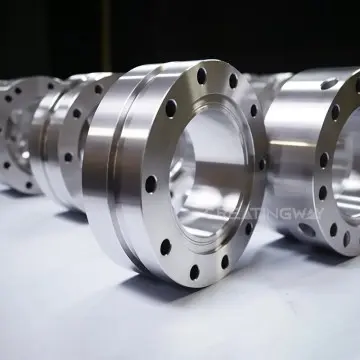
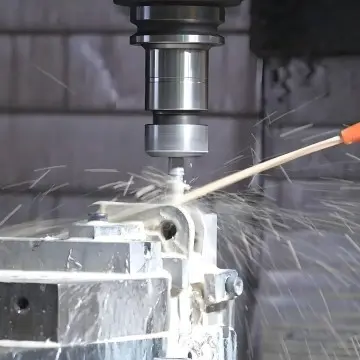
A: We use high-precision 5-axis CNC machines and EDM (Electrical Discharge Machining) for intricate mold features. Every insert is inspected via CMM (Coordinate Measuring Machine) to ensure it meets the sub-micron tolerances required for flash-free injection molding.
A: Yes, we specialize in flexibility. Our rapid tooling options allow us to create molds that are cost-effective for as few as 100 units, which is ideal for market validation before committing to high-volume multi-cavity steel molds.
A: For prototyping, we can have 3D printed or CNC parts in 1-3 days. For injection molding, bridge tooling takes 2-3 weeks, while high-volume production molds typically take 4-7 weeks depending on complexity.
Join 600+ global industry leaders who trust Creatingtec for precision engineering and supply chain excellence.
 Creatingtec