Explore our top-tier precision-engineered solutions tailored for global industrial supply chains.
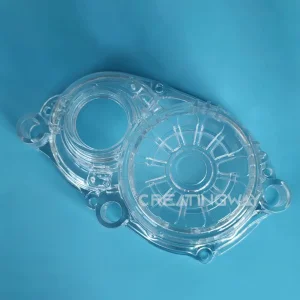
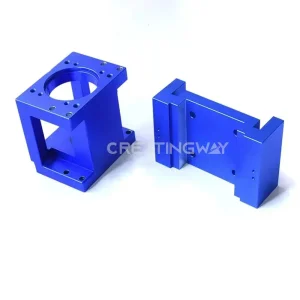
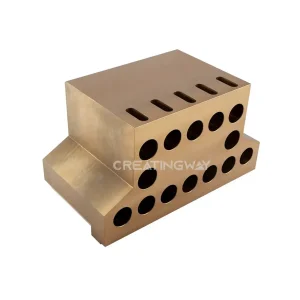
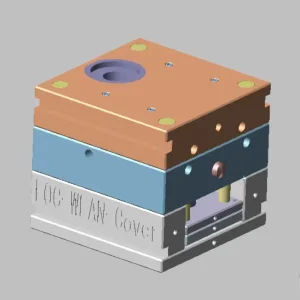
A comprehensive analytical whitepaper on technical capabilities, raw material matrix structures, and performance optimization parameters.
In the highly competitive sectors of aerospace component manufacturing, medical instrumentation, automotive sub-assemblies, and consumer electronics, the baseline requirement for custom injection molded components is no longer just geometrical accuracy. It demands absolute engineering integrity, multi-disciplinary validation, and systematic supply-chain predictability. As companies shift toward smart manufacturing, the role of Original Design Manufacturers (ODM) has transcended beyond basic mold making into vertical integration, featuring synchronous development protocols, digital-twin simulation, and dynamic tool wear monitoring.
High-end structural plastics like Polyetheretherketone (PEEK), liquid crystal polymers (LCP), and glass-fiber reinforced polyamides are replacing lightweight metallic parts in extreme stress environments. This technological shift requires injection molding manufacturers to deploy high-pressure clamping units, advanced thermal oil regulation configurations, and sensor-driven cavity tracking to eliminate microscopic defects. High-integrity OEMs depend heavily on specialized manufacturing hubs that combine raw material science with tight-tolerance execution.
Utilizing advanced mold flow modeling to study volumetric shrinkage, gate shear rates, and structural cooling dynamics before raw material injection.
Strict adherence to IATF 16949, ISO 13485, and advanced structural quality control infrastructure protecting precision tolerances.
Seamless mechanical integration of elastomeric compounds with robust polymer chassis and conductive metallic interface paths.
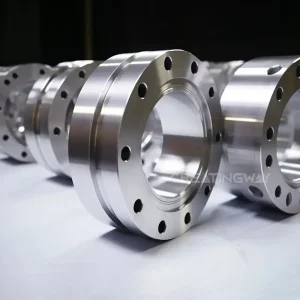
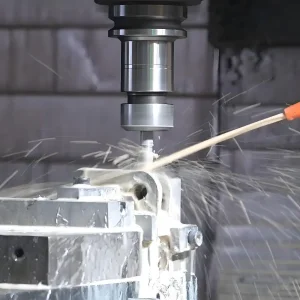
Combining multi-axis CNC micro-machining, automated high-pressure hot-runner systems, and comprehensive post-processing workflows.
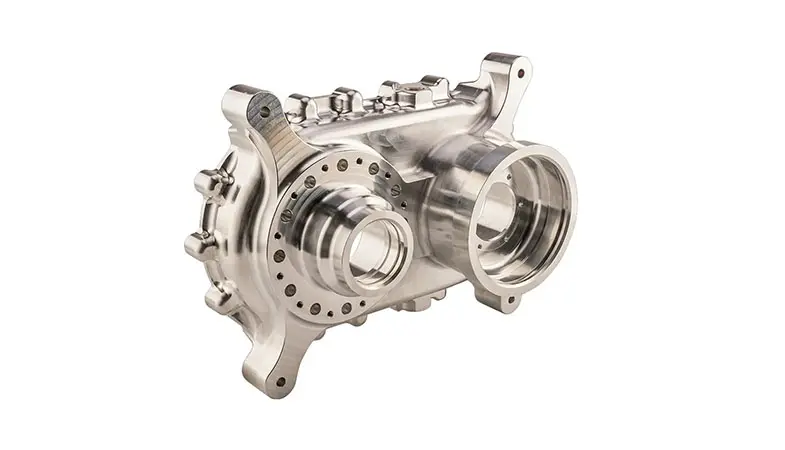
From mission-critical aerospace modules to biocompatible medical devices, discover our custom engineering applications.
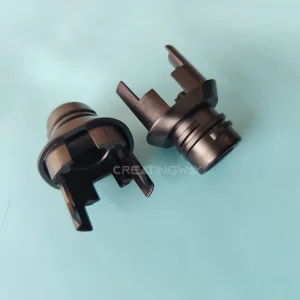
We manufacture structural exterior parts, including high-durability engine lamp covers, rear-light reflectors, and high-temperature engine brackets. By selecting optimized glass-reinforced polyamides and polycarbonates, our parts resist yellowing and retain structural integrity under high temperatures and vibration.
Our Class 10,000 cleanroom environments support medical-grade injection molding. Key components include surgical tools, diagnostic cartridge housings, and fluid manifolds. We ensure trace element control, strict USP Class VI biological safety testing, and zero chemical release during sterilization cycles.
We specialize in lightweight structural housings, high-frequency antenna enclosures, sub-millimeter buttons, and USB terminal caps. Through thin-wall molding techniques, we achieve structural thickness profiles down to 0.4mm, while retaining impact resistance and precise internal snap fits.
Modern automated assembly systems require robotic joints, end-effectors, and control gear housings that balance low mass with high torsional strength. By replacing traditional cast-aluminum components with carbon-fiber reinforced polyetherimide (PEI) structures, we achieve a 40% mass reduction while improving vibrational dampening. These properties reduce drive motor wear, lower power consumption, and speed up operational cycle times in high-speed pick-and-place lines.
Over two decades of precision manufacturing, serving multi-national companies across 50 countries.
How our centralized production ecosystem in China ensures cost stability, raw material availability, and rapid manufacturing.
Global supply chain disruptions require purchasing managers to work with partners who offer predictable lead times and cost structures. Our manufacturing hub, located in the Pearl River Delta industrial cluster, provides distinct supply chain advantages. We maintain long-term partnerships with raw material suppliers, giving us secure access to high-performance resins and alloys even during periods of high market demand.
By integrating tool design, automated steel roughing, high-precision finishing, and multi-axis injection molding within a single facility, we eliminate third-party delays. The cluster effect also gives us access to top-tier thermal treatment facilities, specialized high-vacuum plating shops, and international logistics providers. This lets us compress production timelines by 30% to 45% compared to regional competitors.
Every CAD model is analyzed for draft angles, sink marks, and gate locations within 24 hours, including detailed mold-flow simulations.
Our facility is located near international deep-water ports and cargo airports, ensuring fast worldwide delivery.
We source material directly from certified global chemical brands, with full batch traceability and physical property certifications.
Our automated manufacturing lines run 24/7, using robotic handlers to maintain consistent production quality.
Future-proofing injection molding processes through digital integration, biopolymers, and smart tooling.
The injection molding industry is shifting toward real-time cavity pressure sensing and closed-loop control systems. These technologies continuously monitor cavity pressures and melt temperatures to automatically adjust machine settings, keeping parts within specified tolerances. At the same time, the transition toward bioplastics requires mold designs that handle materials with varying thermal stability and shrinkage rates.
We are developing tool designs optimized for PLA, PHA, and starch-blend matrices. These systems feature modified compression-ratio screws and precise hot-runner zones to process temperature-sensitive resins without degradation.
Our future manufacturing lines will integrate multi-spectral optical sensors inside the tool cavities. These sensors check part dimensions and detect microscopic surface defects before the mold opens, ensuring high consistency.
By using 3D metal printing to build mold inserts, we can integrate conformal cooling channels that match the complex shapes of our parts. This improves cooling uniformity, reduces cycle times, and prevents parts from warping.
From initial CAD upload to global delivery, our structured process ensures complete control and visibility at every stage.
Submit your 3D engineering files (.STEP, .IGS, or native CAD formats) through our encrypted portal. We protect your intellectual property with standard non-disclosure agreements.
Our engineers review the parting lines, draft angles, gate locations, and ejector pin layouts, recommending adjustments to prevent sink marks and warpage.
We manufacture the mold base and core inserts using multi-axis CNC and EDM machines. We then perform T1 trial runs and send sample parts to the client for validation.
Once samples are approved, we begin full-scale production. We use automated coordinate measuring machines (CMM) and vision inspection systems to verify critical tolerances.
We collaborate with top-tier industrial corporations, medical brands, and automotive innovators worldwide.





Detailed technical answers to common queries regarding materials, tooling life, lead times, and injection molding tolerances.
High-quality tool construction depends on selecting the right steel grade (such as H13, S136, or NAK80), designing efficient thermal cooling channels, and optimizing gate placement. Proper cooling prevents part warpage and helps maintain consistent cycle times. The choice of core and cavity steels directly affects mold life, surface finish, and dimensional tolerance control.
We use advanced simulation software to evaluate mold flow before cutting steel. This lets us analyze plastic melt flow, gate shear heat, air traps, and weld line formation. For thin-walled parts, this analysis helps us optimize gate geometry and choose injection pressures that ensure uniform cavity filling without stressing the polymer chains.
For standard engineering thermoplastics like ABS, PC, and POM, we reliably maintain dimensional tolerances of ±0.05mm. When using high-performance crystalline resins in our specialized tooling systems, we can achieve tolerances down to ±0.02mm. These tight tolerances require precise mold temperatures, stable holding pressures, and strict environmental controls in the production area.
We implement a complete material tracking system from raw resin receipt to finished product delivery. Every batch is matched with raw material datasheets, physical test certificates, and compliance reports (including RoHS, REACH, and FDA requirements). We retain material samples and tracking records for up to 5 years, providing full historical traceability for auditing and quality control.
Discover our comprehensive range of custom structural housings and critical internal components.
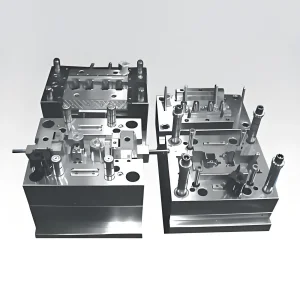
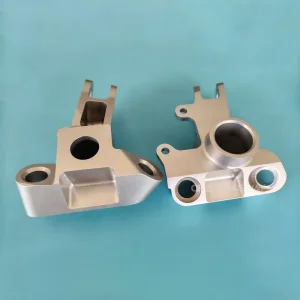
Ensuring full operational compliance with international engineering and medical regulatory frameworks.
In highly regulated industries like medical devices and aerospace, compliance is a core requirement rather than an option. We design our engineering workflows around global standards, including ISO 9001 for quality systems, IATF 16949 for automotive components, and ISO 13485 for medical device production. These frameworks ensure that every process—from initial design review to packaging—is fully controlled and documented.
Our quality management team manages regular internal audits and coordinates with third-party testing labs. We verify compliance with international directives including RoHS (Restriction of Hazardous Substances) and REACH (Registration, Evaluation, Authorisation and Restriction of Chemicals), providing the full documentation required for your product approvals.
We record and store complete production data for every batch, including raw material lot numbers, machine parameters, and operator logs, to support future quality audits.
We run standard testing procedures, including first article inspection (FAI), in-process statistical control (SPC), and final quality assurance (FQA), before shipping products.
We provide comprehensive compliance dossiers, including UL material certificates, chemical compatibility analyses, and physical property test results, supporting global product distribution.
In-depth technical papers covering precision tool construction, polymer flow properties, and quality control systems.
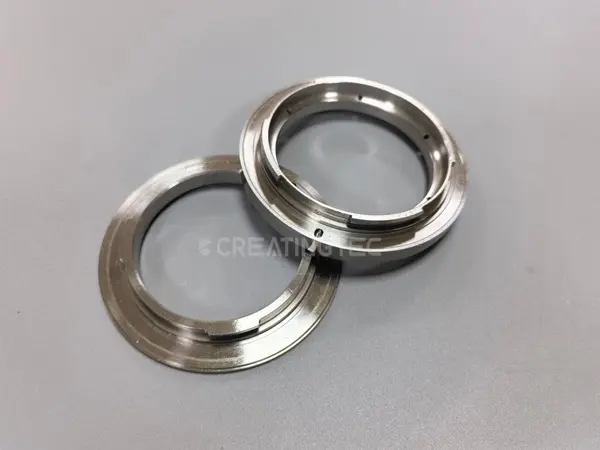
Analyzing how our multi-stage inspection workflows and coordinate measuring systems help maintain close dimensional tolerances across production batches.
Read Technical Paper →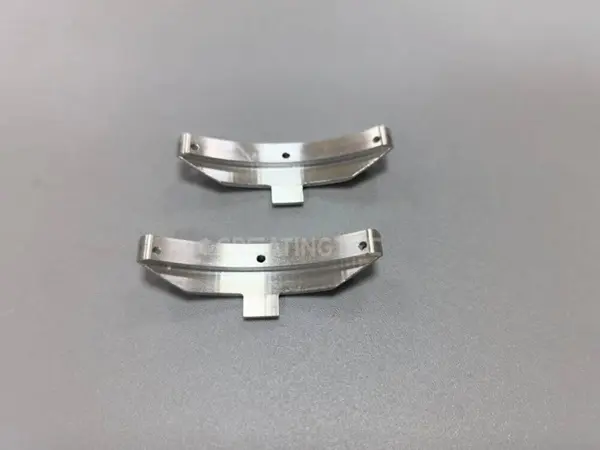
An engineering study on multi-axis path optimization, tool wear management, and high-precision tooling for critical enclosures.
Read Technical Paper →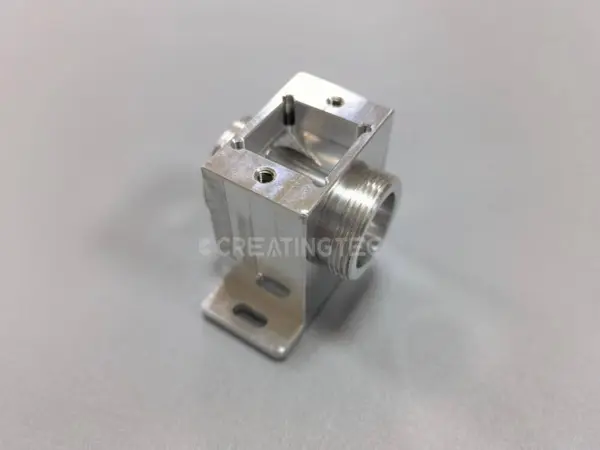
Best practices for utilizing mold-flow simulations and Design for Manufacturing feedback to streamline the transition from prototyping to volume manufacturing.
Read Technical Paper →Subscribe to our technical newsletter to receive mold design tips, material selection guides, and industry news directly from our engineering team.
 Creatingtec