Creatingtec
The Evolution of Cold Runner System Injection Molding in Global Industry
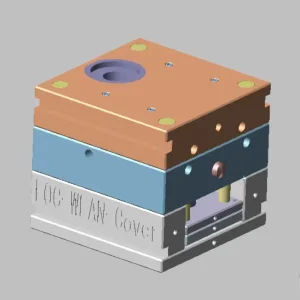
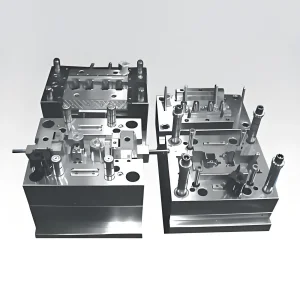
In the modern manufacturing landscape, the Cold Runner System remains a cornerstone for specific high-precision ODM (Original Design Manufacturing) projects. Unlike hot runner systems that keep plastic molten throughout the manifold, cold runner systems involve cooling the plastic in the channels before it is ejected with the part. For industry leaders, the choice between these systems is dictated by material sensitivity, production volume, and initial capital expenditure.
Information Gain: While hot runners are praised for cycle time, cold runners offer unparalleled stability for thermally sensitive materials such as Liquid Silicone Rubber (LSR) and certain thermosets where residence time and temperature control are critical to preventing premature cross-linking.
Global Market Dynamics & Industrial Demand
The global demand for injection molding is shifting towards Sustainability and Micro-Precision. In North America and Europe, stringent environmental regulations are driving manufacturers to optimize runner designs to reduce material waste. Meanwhile, the aerospace and medical sectors are demanding cold runner configurations for their ability to handle specialized engineering resins that degrade under the constant heat of hot runner manifolds.
Why Choose ODM Cold Runner Systems?
- Lower Initial Investment: Cold runner molds are significantly less expensive to design and manufacture than complex hot runner systems.
- Material Versatility: Ideal for materials with low thermal stability or those that require frequent color changes.
- Ease of Maintenance: Without complex electrical heating elements or manifold seals, downtime for maintenance is drastically reduced.