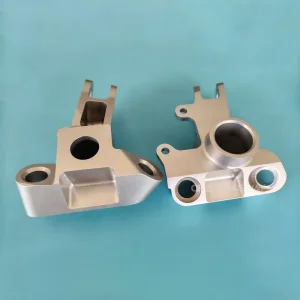
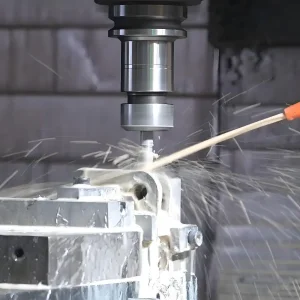
The Aluminum 3D printing landscape has shifted from rapid prototyping to Serial Production. In 2024, the integration of Selective Laser Melting (SLM) and Direct Metal Laser Sintering (DMLS) has allowed ODM shops to produce components with mechanical properties exceeding traditional die-casting. Key trends include:
Redesigning parts to remove unnecessary weight while maintaining structural integrity, reducing material costs by up to 40%.
The rise of Scalmalloy® and AlSi10Mg powders allows for higher tensile strength and better thermal conductivity for aerospace heat exchangers.
Real-time melt pool monitoring using AI to detect porosity during the build process, ensuring 99.9% density.
Global enterprises are moving away from centralized manufacturing to "Distributed Additive Manufacturing." By partnering with an ODM Aluminum 3D printing shop, companies reduce lead times from months to days. This is critical for sectors like Automotive Electronics and Medical Devices, where "Speed to Market" is a competitive moat.
Our solutions encompass the entire lifecycle of hardware development:
We adhere to ISO 9001 and AS9100D standards, ensuring that every printed aluminum part meets international regulatory frameworks for safety and performance. Our localized DFM (Design for Manufacturing) support ensures that CAD files are optimized for the specific thermal gradients of metal 3D printing.
Transitioning from single-laser to quad-laser systems to triple build speeds, making 3D printing viable for medium-batch production.
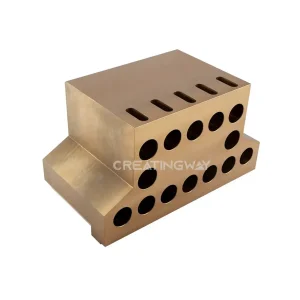
Combining 3D printing for complex geometries with CNC machining for high-tolerance interface surfaces (+/- 0.02mm).
Aluminum powder recyclability rates are hitting 95%, significantly reducing the carbon footprint compared to traditional subtractive methods.
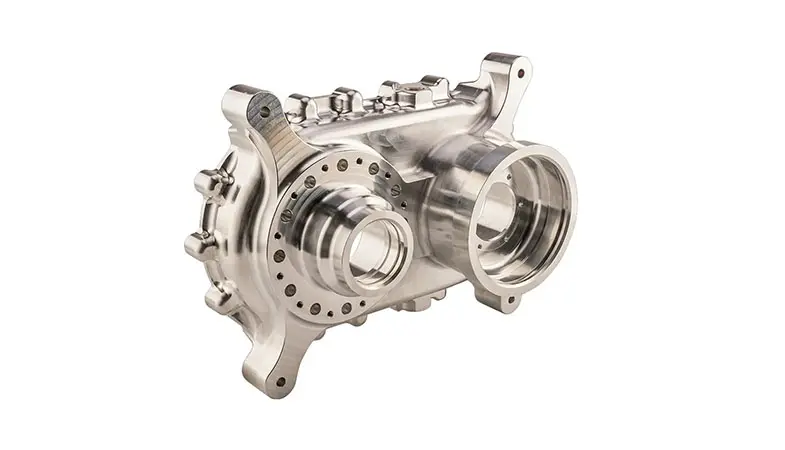
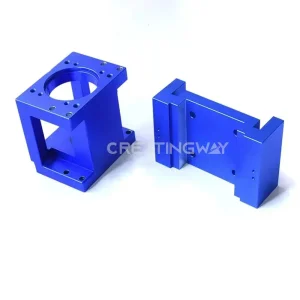
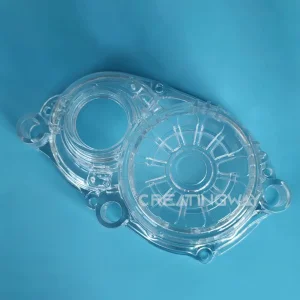
High precision, tight tolerance (+/-0.02mm). Prototype parts in as fast as 1-3 days.
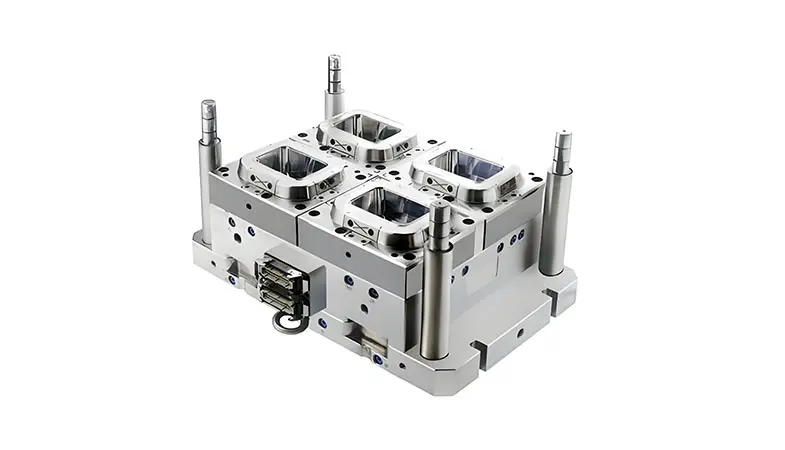
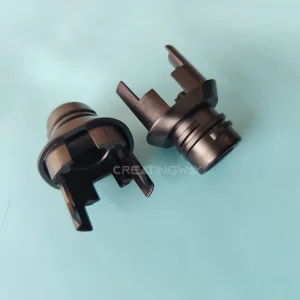
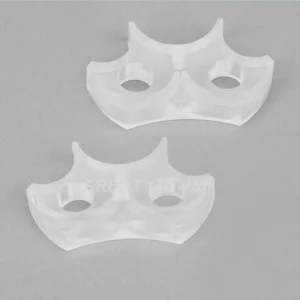
High-volume production for plastic enclosures and technical components.
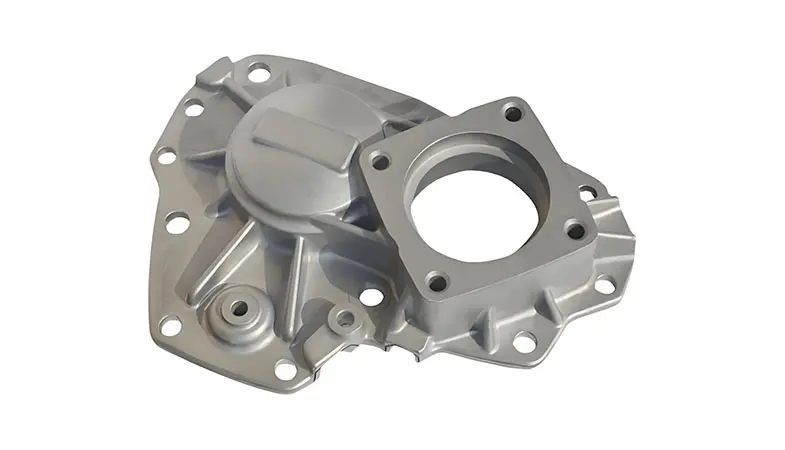
Complex metal and plastic geometries for rapid innovation and functional testing.
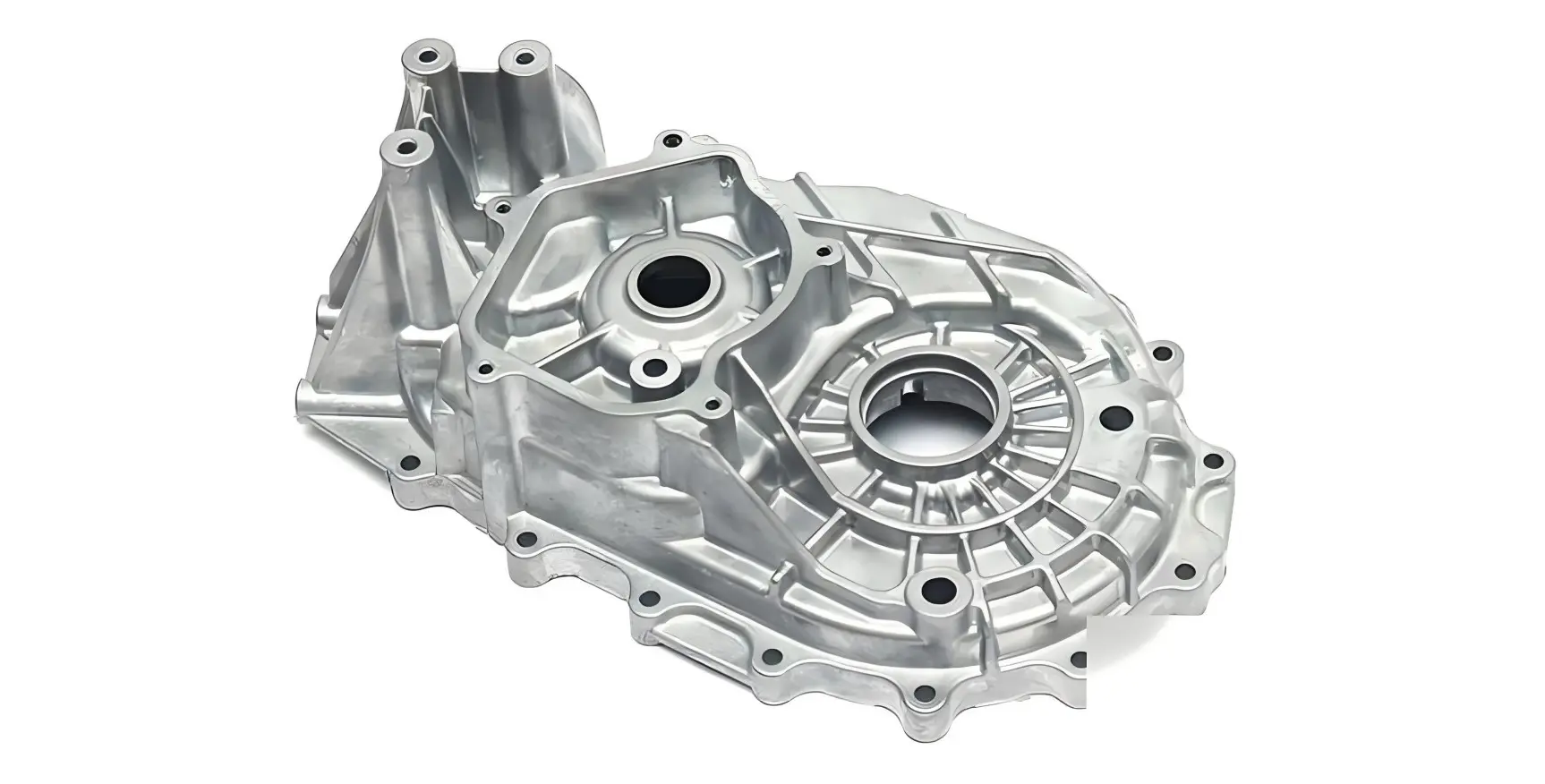
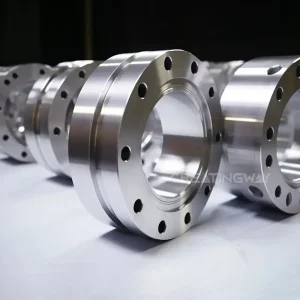
Cost-effective manufacturing for large-scale aluminum and zinc alloy parts.
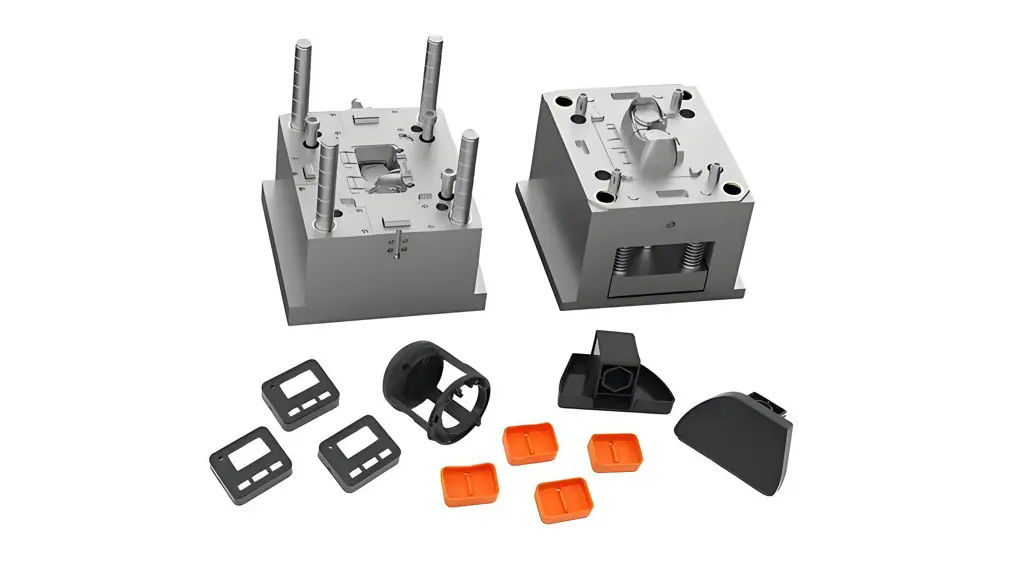
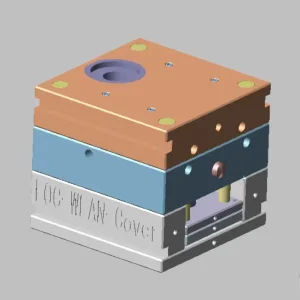
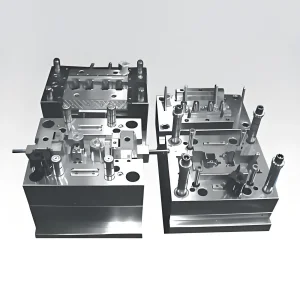
Bridging the gap between prototyping and mass production with bridge molds.
Submit your 3D models (STEP/IGES) for immediate review by our engineering team.
Receive a detailed technical analysis and cost estimate within 24 hours.
We initiate the build process upon DFM approval and material verification.
Prototypes ready in 1-3 days; global shipping via express air freight.
Custom heat sinks and ECU housings with integrated cooling fins.
Lightweight frames for high-end wearables and mobile devices.
Ducting and manifold systems with complex internal geometries.
Surgical instruments and diagnostic equipment housings.
Lightweight structural members for high-speed automated systems.
3D printing allows for much more complex internal geometries (like lattice structures) that are impossible to cast. It also eliminates the need for expensive tooling, making it ideal for low-to-medium volumes.
Standard prototypes are typically finished in 3-5 days. For complex serial production with post-processing (CNC machining or anodizing), lead times vary between 7-14 days.
Yes. By optimizing the laser parameters and utilizing high-density powders, we achieve densities above 99.8%, suitable for pressurized hydraulic valve blocks.
We provide CNC machining, bead blasting, anodizing, powder coating, and heat treatment (T6) to enhance mechanical properties.
Our manufacturing services support your innovation journey by offering professional prototyping and manufacturing solutions.
 Creatingtec