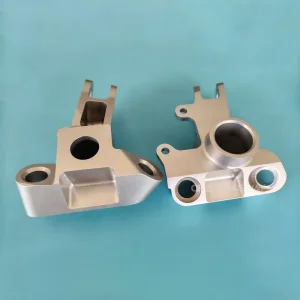
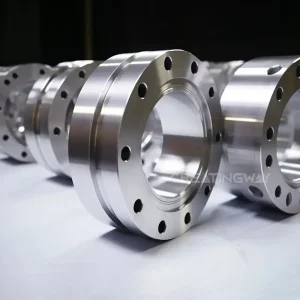
In the contemporary landscape of advanced manufacturing, Acrylic (Polymethyl Methacrylate - PMMA) injection molding has evolved from simple plastic fabrication into a high-precision discipline. As industries pivot from traditional glass components to lightweight, shatter-resistant alternatives, the demand for optical-grade acrylic has surged. Global trends indicate a 7.4% CAGR in technical PMMA applications, driven by the electrification of vehicles (EV) and the miniaturization of medical diagnostics.
Modern ODM Acrylic Injection Molding now integrates AI-driven thermal sensors and real-time viscosity monitoring to achieve zero-defect production. The move toward "Smart Factories" allows manufacturers like Creatingtec to offer predictive maintenance on molds, ensuring consistent cycle times and dimensional stability across high-volume runs. Furthermore, the integration of Circular Economy principles has introduced recycled PMMA (rPMMA) that maintains 98% of virgin material's optical clarity, satisfying the green procurement mandates of Fortune 500 enterprises.
International buyers are moving away from single-source dependencies. Our ODM services provide a robust secondary supply node with the capacity to scale from rapid prototyping to million-unit mass production, mitigating geopolitical and logistical risks.
Acrylic is prized for its 92% light transmission. Procurement teams now demand rigorous testing for Birefringence and Haze values. We utilize specialized screw designs that prevent material degradation and yellowing during the heating phase.
With tightening ESG regulations, our facility ensures full compliance with REACH, RoHS, and UL 94 flammability standards, providing the necessary documentation to clear complex international customs and safety audits.
Our 2000m² facility is designed for precision. Acrylic molding requires a level of environmental control that exceeds standard plastic processing. Dust particles as small as 5 microns can ruin the optical properties of a lens or display panel. Creatingtec operates clean-room compatible injection environments to safeguard your product's integrity.
| Material Property | Acrylic (PMMA) Specification | Industry Application |
|---|---|---|
| Light Transmission | 92% - 93% (Superior to Glass) | Light Guides, Automotive HUDs |
| Surface Hardness | HB to 3H (Scratch Resistant) | Consumer Electronic Housings |
| Weatherability | Excellent UV Resistance | Outdoor Signage, Aerospace Covers |
| Tensile Strength | 70 MPa | Structural Medical Components |
Implementation of machine learning algorithms to predict mold flow patterns and potential sink marks in complex acrylic geometries before the first steel is cut.
In-mold decoration (IMD) and nano-coatings for anti-reflective (AR) and anti-fingerprint (AF) properties directly within the molding cycle.
Transitioning toward carbon-neutral acrylic resins derived from renewable biomass, reducing the carbon footprint by up to 40%.
Internal stress is the primary cause of cracking (crazing) in PMMA. We utilize multi-stage injection profiling and precision-controlled mold temperatures (typically 60°C to 90°C). For critical components, we perform post-molding annealing in specialized ovens to relieve residual stresses.
Acrylic is prone to sink marks and voids in thick sections. While we typically recommend a wall thickness of 2mm to 4mm, our engineers can achieve up to 10mm thickness through gas-assisted injection molding or specialized cooling cycles that prevent external solidification before the core is packed.
We use stainless steel mold bases (like S136) polished to an SPI-A1 finish. Additionally, our dryers use molecular sieves to ensure material moisture content is below 0.02%, preventing "silver streaks" or bubbles in the final part.
Yes. Our "Flexible Low Volume" service is specifically designed for 50 to 5,000 units. We utilize Rapid Tooling (aluminum or P20 steel) to reduce initial investment costs and get products to market in as fast as 15 days.
To use high precision, tight tolerance, flexible delivery, we can make a wide range of prototypes and production for your projects.
Specializing in complex housings and technical components. Our tooling expertise covers medical, automotive, and consumer electronics sectors.
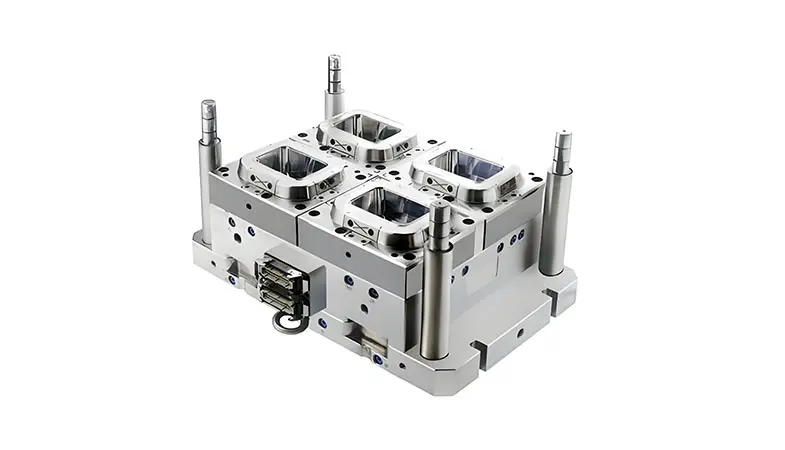
From complex metal enclosures to rapid SLS/SLA prototypes, we bridge the gap between concept and reality with integrated manufacturing solutions.
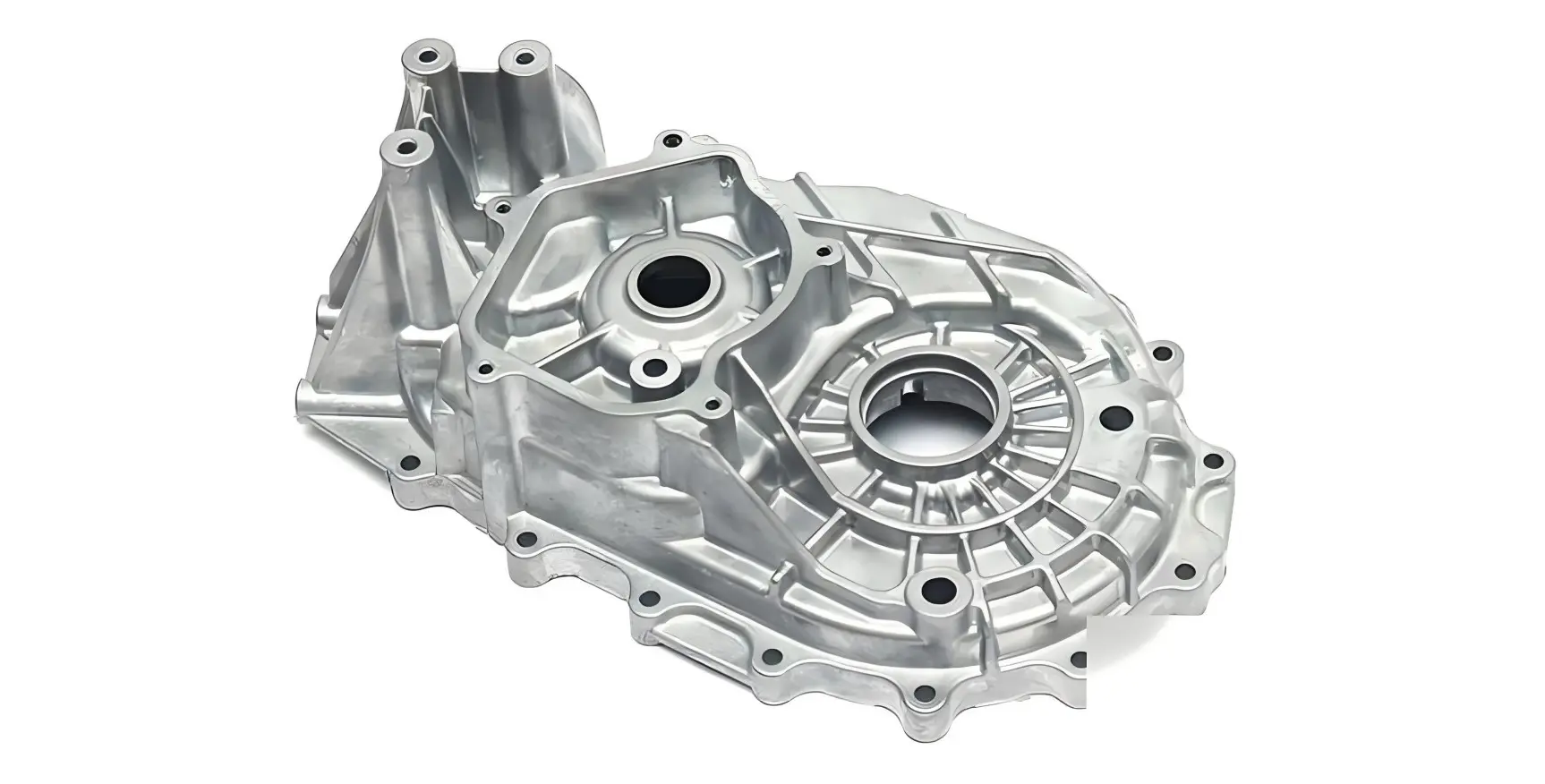
Submit your 3D models (STEP, IGES) and project details for an immediate engineering review.
Receive a detailed quote with Design for Manufacturing analysis within 24 hours.
Approve the DFM and tooling design. We begin the manufacturing process with rigorous quality milestones.
Fastest prototypes ready in 1-3 days. Worldwide shipping via economical or express air freight.
Lamp covers, light guides, and dashboard displays requiring UV stability and high impact resistance.
Microfluidic devices, surgical tool housings, and diagnostic equipment requiring biocompatibility (USP Class VI).
Complex shaft house parts and cockpit enclosures where weight-to-strength ratio is critical.
Optical lenses for sensors, smart home device screens, and high-end audio component housings.
 Creatingtec