Our Core Manufacturing Competencies across MIM, CNC, and Die Casting
In the current landscape of Industry 4.0, Metal Injection Molding (MIM) has emerged as a disruptive technology that bridges the gap between traditional plastic injection molding and conventional powder metallurgy. As a leading MIM Metal Injection Molding Supplier, we recognize that the demand for complex, high-density, and high-performance metal components is skyrocketing across sectors such as medical robotics, aerospace, and renewable energy.
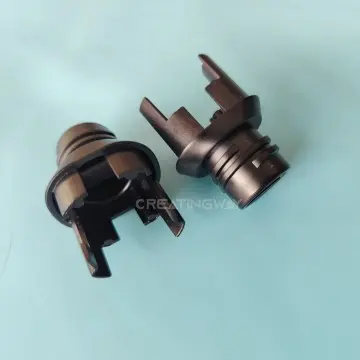
MIM offers a unique value proposition: the design freedom of plastic injection molding combined with the material strength and integrity of wrought metal. This "near-net-shape" manufacturing process eliminates the need for extensive secondary CNC machining, significantly reducing material waste and lead times for high-volume production.
From stainless steel (316L, 17-4PH) to titanium alloys and tungsten, our MIM process supports a vast range of metallurgical feedstocks tailored for extreme environments.
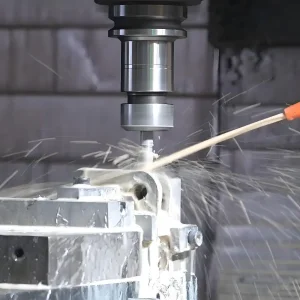
Achieve intricate internal threads, undercuts, and thin walls that are impossible or cost-prohibitive with traditional subtractive CNC machining.
Leveraging 20+ years of engineering expertise, we ensure tolerances down to +/- 0.02mm, meeting the stringent standards of the medical and aerospace industries.
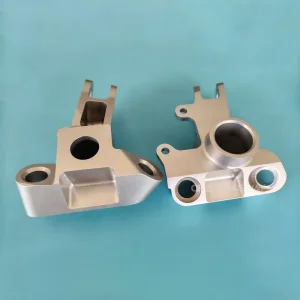
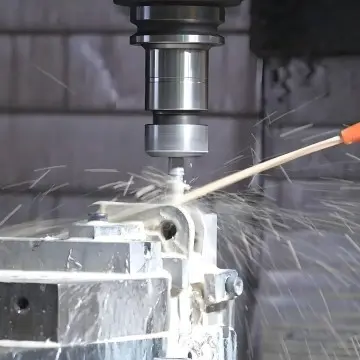
Our role as a premier MIM factory extends beyond manufacturing; we provide strategic engineering solutions that optimize product lifecycles. By integrating MIM with our existing CNC machining and die-casting capabilities, we offer a "Hybrid Manufacturing" approach.
Specializing in surgical instruments, orthopedic implants, and biocompatible micro-components that require high corrosion resistance and sterilization durability.
Producing high-strength gears, sensors, and turbocharger components that withstand high temperatures and cyclical stress with 98% theoretical density.
Miniature hinges for foldable phones, watch cases, and electronic connectors where aesthetic finish and structural integrity are paramount.
Navigating the global supply chain requires more than just production speed. We provide localized technical support in Europe, North America, and Asia. Our factories are ISO 9001:2015 and IATF 16949 certified, ensuring that every batch of sintered parts meets international quality benchmarks. We provide full traceability, REACH/RoHS compliance, and Material Test Reports (MTRs) to safeguard your hardware ecosystem.
Extending beyond MIM to provide comprehensive hardware excellence
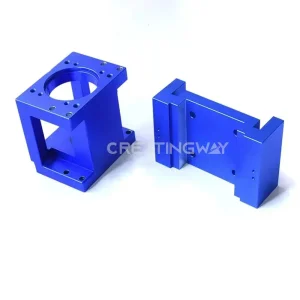
To use high precision, tight tolerance, flexible delivery, we can make a wide range of prototypes and production for your projects.
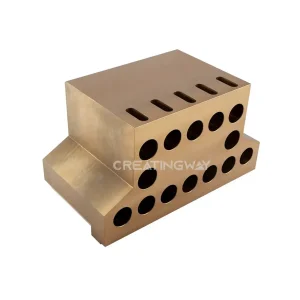
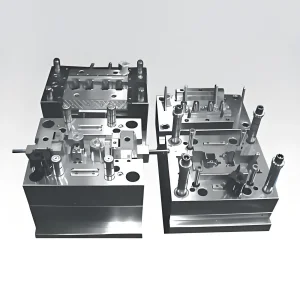
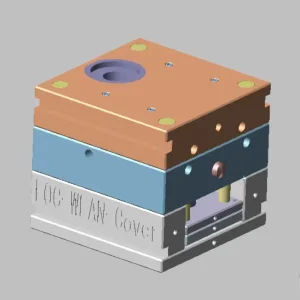
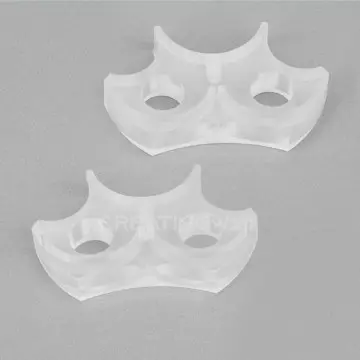
Leveraging our heritage in toolmaking, we provide plastic injection molding and rapid tooling for complex electronic housings and mechanical assemblies.
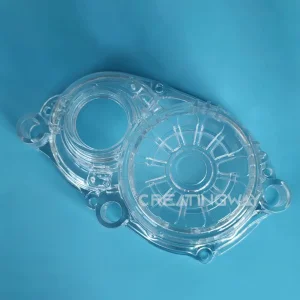
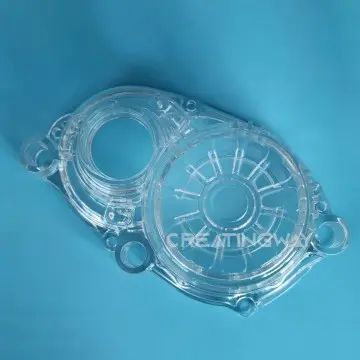
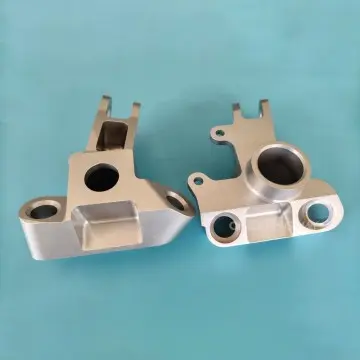
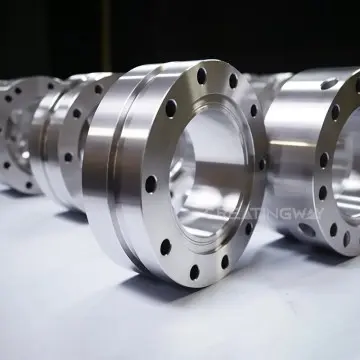
From aluminum alloy die casting for engine covers to SLA/SLS 3D printing for rapid concept validation, our facility handles the full spectrum of manufacturing.
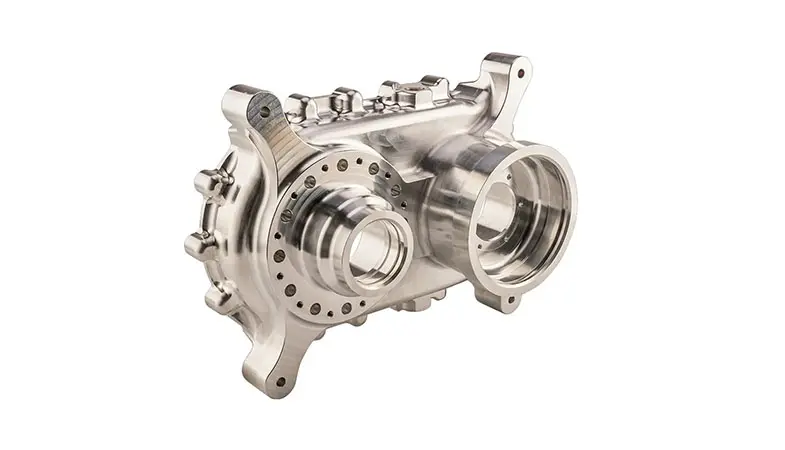
The future of MIM manufacturing is tied to "Micro-MIM" and "Additive-Hybrid" sintering. By 2026, we aim to integrate 3D metal printing (Binder Jetting) with traditional MIM sintering lines to offer zero-tooling cost options for low-volume complex parts.
Integration of high-temperature superalloys for aerospace turbine blades.
AI-driven sintering simulations to predict shrinkage and eliminate distortion in real-time.
Implementing closed-loop feedstock recycling to reduce metal powder waste to near zero.
Global Clients
Years Experience
Annual Parts
Countries Served

Upload your 3D files. Our engineers perform Design for Manufacturing (DFM) analysis within 24 hours.

We develop precision molds and select the optimal metal powder binder system for your requirements.

Parts are molded, debound, and sintered in high-vacuum furnaces to achieve full structural density.

Post-sintering inspection via CMM and X-Ray. Global shipping in as fast as 14-21 days for production runs.
 Creatingtec