Discover our primary lineup of custom molds, medical injection tooling, aerospace components, and automotive housing assemblies designed for low-to-high volume production.
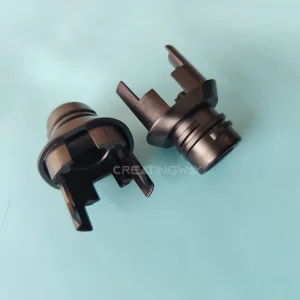
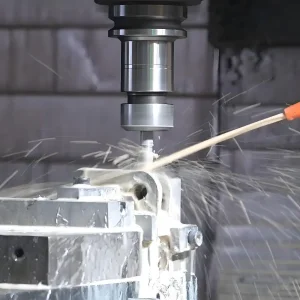
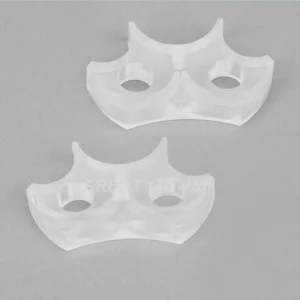
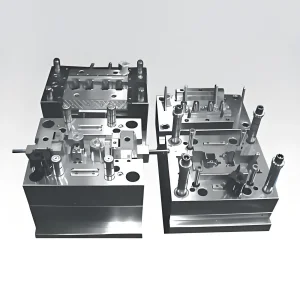
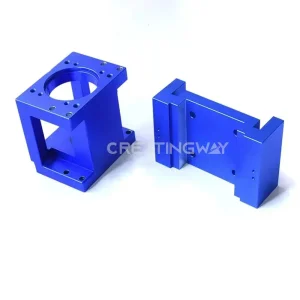
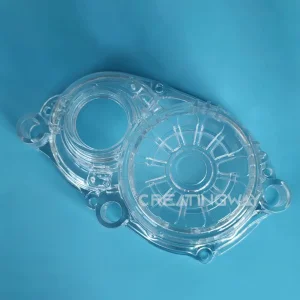
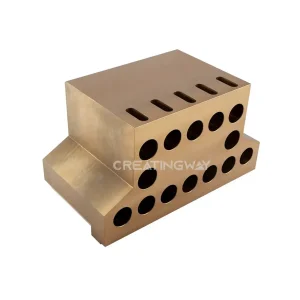
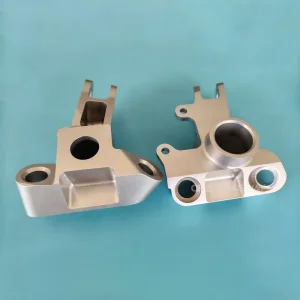
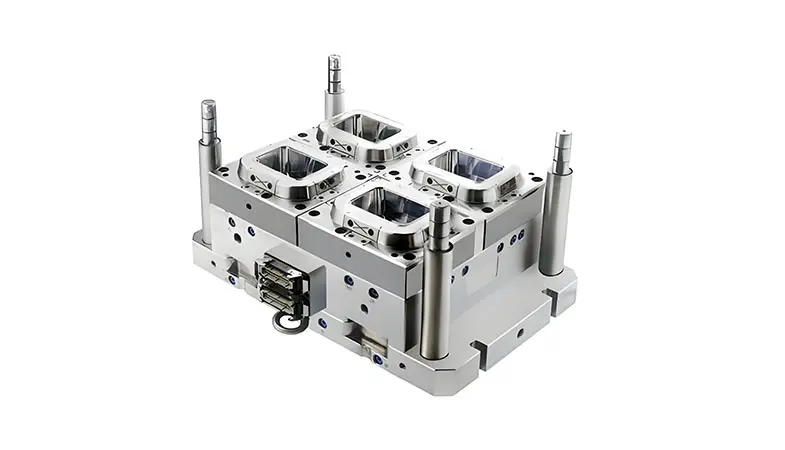
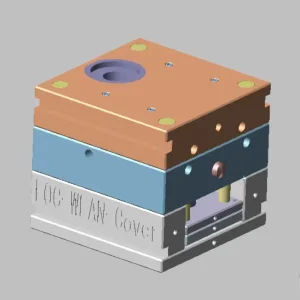
In the field of high-performance plastic injection molding, selecting the correct runner system is critical to production yield, thermal efficiency, and overall tool longevity. Cold runner molds utilize a two-plate or three-plate runner delivery configuration where molten polymer is injected from the nozzle of the molding press, travels through the sprue and runners, and enters the cavity at ambient tool temperatures. While the runner cools alongside the component and is ejected in each cycle, its absolute reliability, simple maintenance, and minimal thermal complexity make it the preferred choice for complex engineering polymers, high-performance thermoplastics, and Liquid Silicone Rubber (LSR).
Our engineering division specializes in optimizing gate configuration, flow-front balancing, and cooling layout engineering to mitigate the typical scrap overhead historically associated with cold runner setups. By applying advanced Moldflow analyses and FEA thermal simulations, we optimize the runner cross-section and gate location to ensure homogeneous pressure distribution, eliminating flash, warping, and sink marks across multi-cavity tool structures.
For global procurement managers, balancing initial tooling capital expenditure (CAPEX) with long-term operational expenditure (OPEX) is the primary challenge. Here is why Cold Runner Molds continue to hold a massive share of the precision injection molding market:
Exploring the structural advantages, localized industrial clusters, and optimized supply chains of Chinese mold-making factories.
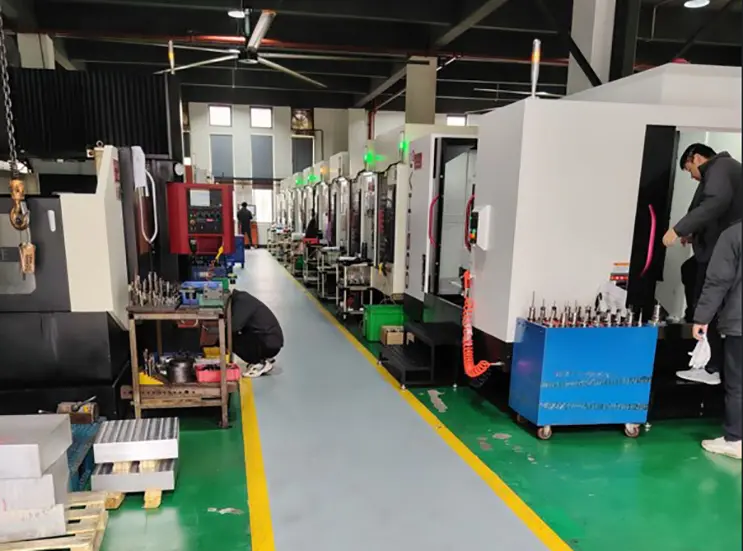
Our manufacturing facility in China leverages close proximity to raw material providers, high-grade steel manufacturers (H13, S136, NAK80), and specialized surface treatment facilities, cutting turnaround time in half.
With decades of global export experience, our engineers conduct extensive Design for Manufacturing (DFM) analysis to optimize draft angles, gate locations, and structural rib thickness before cutting steel.
We deploy state-of-the-art 5-axis CNC machining, high-precision wire EDM, and mirror spark machines, securing tight dimensional tolerances down to ±0.01mm for high-end optical components.
Every mold tool runs through strict gate-to-gate quality checks, including coordinate measuring machine (CMM) inspections, optical projected measurements, and multiple cycle validation runs (T0 to T2).
From multi-axis CNC machining and high-grade plastic injection molding to rapid tooling prototypes.
To use high precision, tight tolerance, flexible delivery, we can make a wide range of prototypes and production for your projects.
● Prototype parts in as fast as in 1-3 days, with optional power plating and anodizing in as fast as 4-5 days.
● Cost-efficient machined parts at mass production.
● Tight tolerance down to +/-0.02mm through engineering technology and machines control.
Our tooling process integrates advanced CAD/CAM software to translate complex component designs directly into tool paths, ensuring flawless execution of multi-cavity cold runner layouts.
Four simple steps to transform your blueprints into high-precision production parts.

Upload Your CAD Drawing
To start, simply choose a manufacturing way and submit a detail for projects.

Get Quote with DFM Analysis
Receive a detailed quote with DFM (Design for Manufacturing) analysis for projects in 24 hours.

Confirm Order & Tooling Run
We start the manufacturing process once you approve the order, confirm DFM, and select finishing options.

Projects Completed & Shipped
Fastest prototypes ready in 1-3 days, and safely shipped to your destination anywhere in the world.


How our custom tooling and manufacturing services drive critical hardware programs across global sectors.
Engineering rugged electronic control housings, engine cover components, and optical lamp lenses using temperature-regulated cold runners.
High-aesthetic, thin-walled device housings, USB connectors, and robust internal brackets with zero-flash requirements.
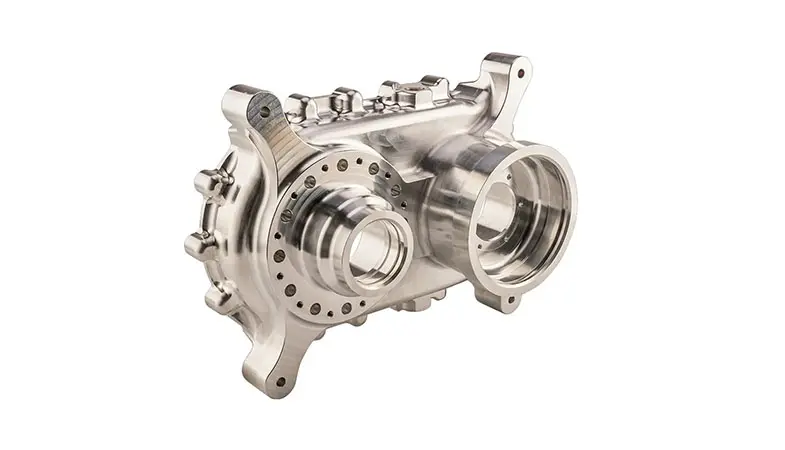
Machining complex aerospace shaft components, gear structures, and light-weight, heat-resistant enclosures from advanced alloys.
Producing medical-grade, clean-room compatible injection parts, syringe tools, and diagnostic housing with tight medical tolerance compliance.
Designing highly rigid structural brackets, custom hydraulic valve blocks, and articulated robot arm joint housings.
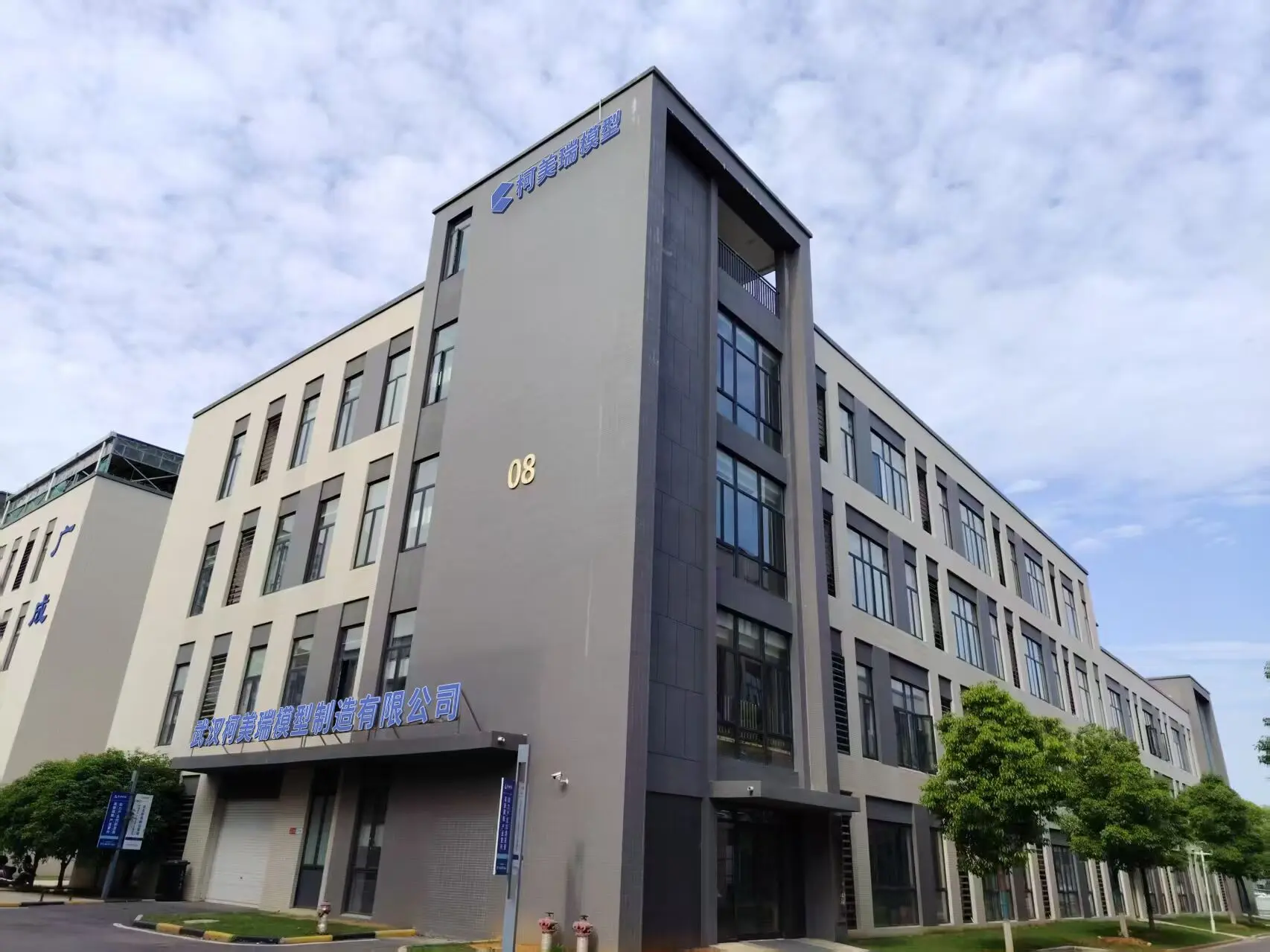
We aim to delight our customers with a highly flexible low volume manufacturing service. Creatingtec Manufacturing Limited was started by two experienced engineers with an extensive background in precision machining and mold tool manufacture.
With an initial investment in two CNC machines, we quickly expanded our manufacturing capabilities to include CNC machining, injection molding, and a fully equipped sheet metal fabrication shop in our 2000m² manufacturing facility. Today, we stand as a premier provider of cold runner injection molds, serving global engineering departments with unparalleled technical support, absolute tool longevity guarantees, and rapid project lead times.






Expert technical answers regarding design, cost, materials, and production performance of cold runner systems.
In a 2-plate cold runner mold, the runner system and the molded part are ejected together, requiring manual or robotic separation. It is highly robust and cost-effective. A 3-plate mold features an additional floating plate that automatically shears the gate from the part during the mold-opening stroke, allowing automatic separation and gravity ejection, though it introduces more mechanical complexity and higher tool cost.
The cycle time of a cold runner mold is determined by the thickest section of the tool, which is often the sprue or runner itself. If the runner cross-section is too large, it takes longer to solidify, extending cooling time. We optimize the runner diameter using flow-simulation software to minimize material volume while ensuring the pressure drop remains within acceptable limits, thus optimizing cycle time and reducing scrap ratio.
Heat-sensitive plastics degrade when exposed to high temperatures for extended periods. In hot runner systems, the polymer sits inside a heated manifold block across multiple cycles. In cold runner systems, the material flows directly from the temperature-controlled injection unit into the cooled mold channels, ensuring no material experiences thermal degradation, preserving part aesthetics and structural performance.
For high-volume production runs (exceeding 500,000 cycles), we recommend hardened tool steels like H13 or S136 (stainless steel for corrosion resistance against outgassing resins). For medium-volume programs or prototyping, pre-hardened steels like NAK80 or P20 offer excellent dimensional stability and speed up tooling machining times.
Yes, for most virgin thermoplastics (such as ABS, PP, and PS), the ejected runner can be fed directly into a granulator, ground into regrind, and mixed with virgin material for injection. However, for optical components, medical-grade components, and thermosetting materials like LSR, regrinding is not permitted, and cold runner waste must be handled according to industry specs.
Stay updated with the latest technological and quality control trends in industrial manufacturing.
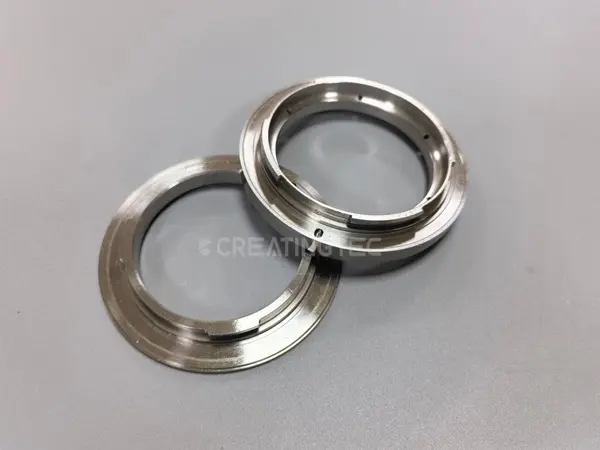
Creatingtec maintains a strict quality control workflow, certified to international standards, to ensure that every single cold runner mold component meets strict specifications.
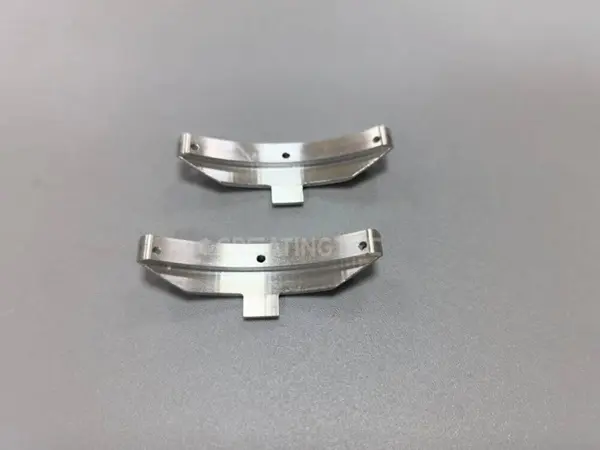
To achieve zero-defect manufacturing for complex metal structures, Creatingtec deploys state-of-the-art production environments and machining algorithms.
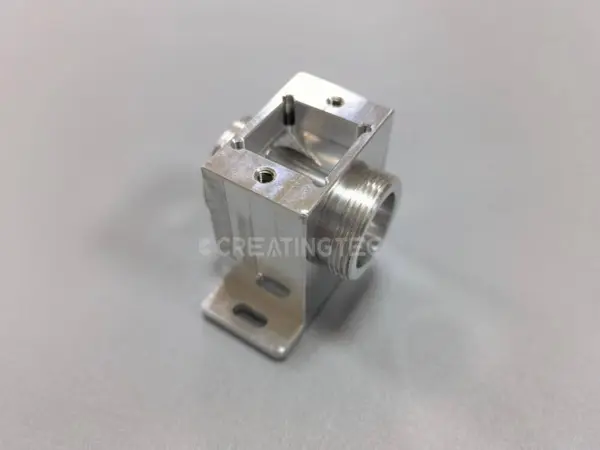
In the global hardware manufacturing landscape, the journey from a design blueprint to a market-ready physical product relies on sound engineering principles.
Select high-quality components machined to aerospace, automotive, medical, and consumer electronics standards.
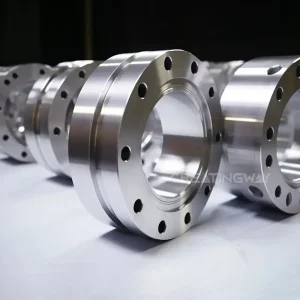
Stay up to date with deep technical insights on Cold Runner optimization, tool design practices, and advanced precision CNC engineering.
 Creatingtec