Explore our engineering capabilities across critical aerospace, medical, automotive, and industrial hardware sub-assemblies.

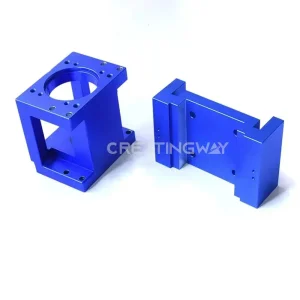
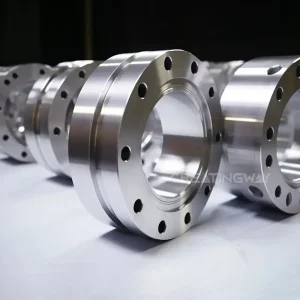
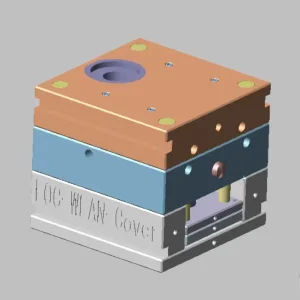
The paradigm shift in mechanical transmission, torque conversion, and micro-concentric axis manufacturing.
In modern industrial applications, the shaft is more than a structural mechanical components; it is the fundamental axis of dynamics, motion, and control. Global demand for high-precision CNC shaft turning machines and subcontract manufacturing services has scaled exponentially over the past five years. Driven by the mass-market transition toward electric vehicles (EVs), industrial robotics, advanced medical actuators, and aerospace turbine assemblies, precision machining has entered a microscopic dimension where tolerances are measured in single-digit microns.
High-precision shaft manufacturing requires a rigorous understanding of metallurgical properties, rotational dynamics, and thermal expansion properties. Traditional lathes are no longer capable of meeting the stringent requirements of geometric dimensioning and tolerancing (GD&T) mandated by contemporary aerospace (AS9100D) and automotive (IATF 16949) standards. Today, multi-axis CNC turning centers integrate live tooling, Y-axis controls, and dual-spindle designs to execute milling, cross-drilling, and tapping processes in a single, high-efficiency setup. This eliminates cumulative positioning errors and drastically improves part-to-part consistency across large production batches.
Analyzing the cost-to-performance ratio, vertical supply chain integration, and rapid lead-time engineering.
Why do leading engineering firms, aerospace disruptors, and medical equipment developers consistently choose China-based precision machining partners? The answer lies beyond labor cost optimization—it is rooted in the depth of industrial ecosystems, advanced machinery clustering, and rapid cycle engineering.
In China's high-tech manufacturing corridors, precision engineering facilities enjoy direct, proximity-based access to material suppliers, secondary treatment facilities (anodizing, heat treatment, passivating, and laser etching), and advanced logistics networks. This proximity allows for the transition from a 3D CAD blueprint to a dynamic physical prototype in as fast as 1-3 days, a standard that western domestic facilities struggle to match without multi-week lead times.
Chinese factories are heavily invested in state-of-the-art multi-axis equipment, including Mazak, DMG Mori, Citizen-Cincom, and Star-Micronics CNC turning centers. Leveraging automated bar feeders, automated tool setters, and in-machine optical inspection probes, these operations maintain extreme repeatability (within +/-0.02mm to +/-0.005mm tolerances) under continuous 24/7 operating schedules.
A comprehensive spectrum of modern prototyping, tooling, and low-volume production solutions.
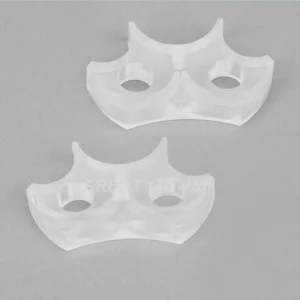
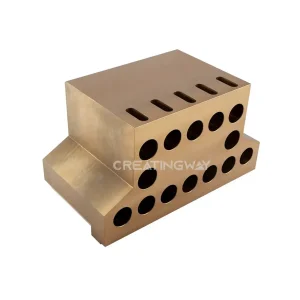
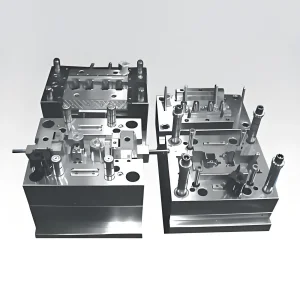
Utilizing high-precision multi-axis machines, tight tolerances, and flexible delivery setups, we deliver structural metal and advanced polymer components engineered exactly to custom CAD geometries. Perfect for complex aerospace shaft houses, hydraulic valve manifolds, and medical devices.
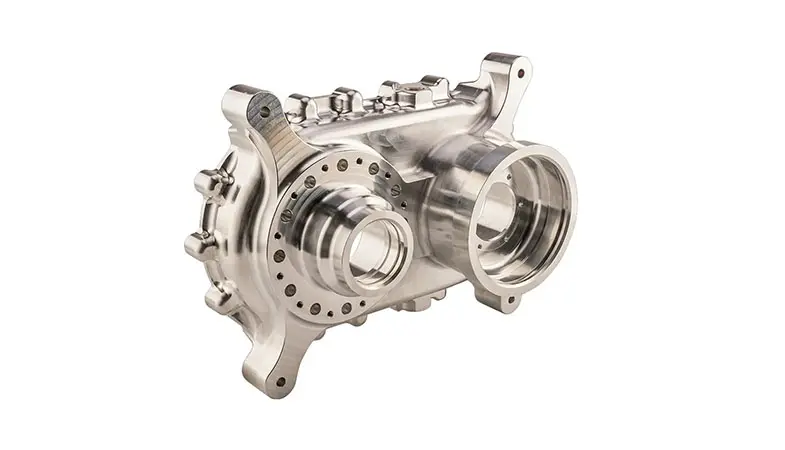
Understanding the unique operational conditions of CNC turned parts across diverse environments.
Every engineering environment mandates distinct operational parameters. A shaft turning in a subsea oil well requires radically different properties than an armature shaft rotating at 25,000 RPM inside an electric vehicle drivetrain. Let's analyze the demanding operational environments we optimize for:
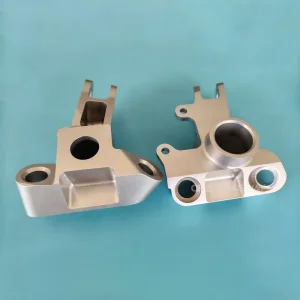
In aerospace applications, component weight minimization must be achieved without compromising structural rigidity. The machining of Aeroplane Shaft House Parts demands high-tensile alloys (titanium Ti-6Al-4V, Inconel 718, and 7075-T6 aluminum) processed under precise heat control protocols to avoid internal residual stresses. The focus is on achieving flawless concentricity to prevent vibrational resonance at high speeds.
The modern automotive industry relies heavily on complex sensor housings, transmission shafts, and drive actuators. With the transition to electric vehicles, silent high-torque operation places strict requirements on gear shaft tooth profiles and micro-finish surface textures. Any imperfection leads to gear whine and acoustic harshness inside the cabin.
Medical-grade turning relies on biocompatible polymers such as POM (Polyoxymethylene/Acetal) and PMMA (Polymethyl Methacrylate), alongside medical-grade titanium (Grade 5). These materials require specialized cutting tool geometries to avoid edge burring and thermal degradation. Surgical micro-shafts require ultra-fine surface roughness (Ra 0.4 or lower) to prevent microbial adhesion and ensure reliable micro-fluidic flow.
Empowering technological breakthroughs through continuous investment in advanced equipment and certified engineering processes.


A digitized, transparent engineering workflow designed to shorten timelines from design to serial delivery.

Submit your 3D models (STEP, IGES, Parasolid) alongside 2D PDF technical specifications to define critical tolerances, finishes, and dimensional criteria.

Receive a comprehensive, itemized quotation backed by deep Design for Manufacturing (DFM) feedback within 24 hours. We evaluate structural features, identify tool access bottlenecks, and propose cost-effective manufacturing strategies.

Upon digital purchase order approval, we lock in machine scheduling, procure raw materials from certified mills, optimize dynamic CAM toolpaths, and begin manufacturing setup.

Your precision-machined prototypes are ready in as fast as 1-3 days. Following coordinate measuring machine (CMM) quality validation, parts are packaged and shipped directly to your facility worldwide.
Evaluating multi-axis hybrid turning, digital twin simulations, and high-integrity metallurgical requirements.
The field of precision shaft turning is undergoing rapid changes. The traditional division between turning (lathe work) and milling (machining center work) has merged. Dynamic mill-turn multi-tasking centers process highly complex geometry profiles without the need for manual fixtures, saving setup costs and preventing axis realignment deviations.
Modern global procurement strategies focus heavily on mitigating geopolitical risks, shortening the supply chain footprint, and demanding documented green-manufacturing metrics. Procurement executives prioritize partner facilities that demonstrate robust predictive maintenance programs, internal scrap recycling practices, and comprehensive quality control documentation (complete with material test reports, dimensional control sheets, and bubble charts for custom parts).
Additionally, the integration of digital twin simulation tools (such as Vericut) allows programming engineers to dry-run CNC toolpaths in virtual space. This eliminates shop-floor machine collisions, minimizes tool wear, and accelerates production schedules for high-value components.
Addressing the complex engineering and procurement queries of professional global buyers.
In-depth technical papers from our advanced manufacturing engineers on keeping critical hardware programs operating at peak efficiency.
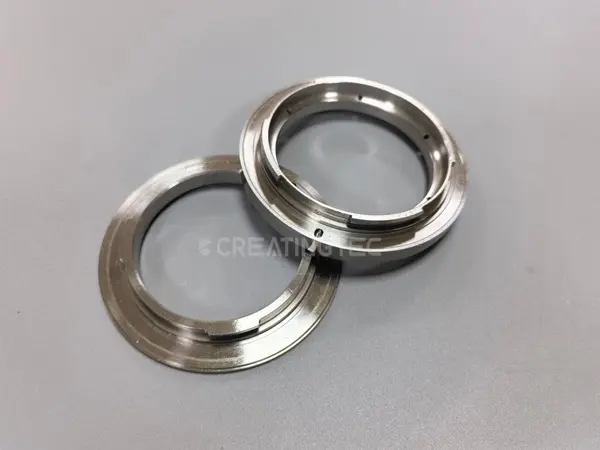
Creatingtec maintains a strict, zero-defect quality control workflow certified to key international standards to ensure that every single sub-assembly meets dimensional parameters...
Read Article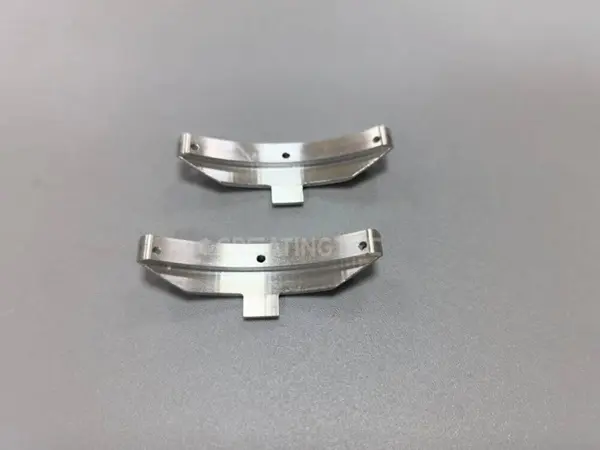
To achieve robust, defect-free manufacturing for complex metal housings, we deploy multi-axis machinery configurations capable of processing multi-faceted features...
Read Article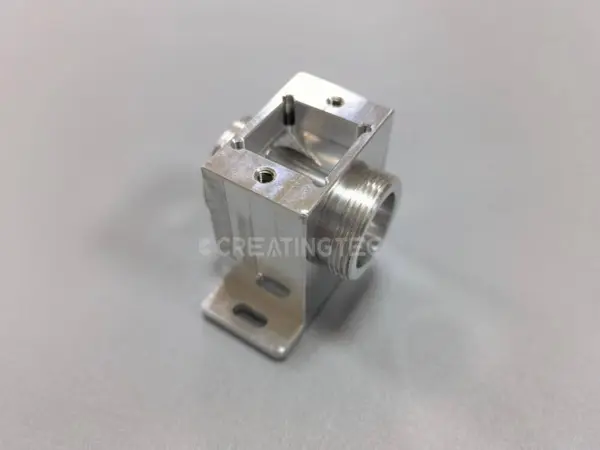
In the modern hardware manufacturing landscape, the journey from initial CAD to market-ready physical hardware requires a reliable engineering partner...
Read ArticleExplore our engineering capabilities across critical aerospace, medical, automotive, and industrial hardware sub-assemblies.

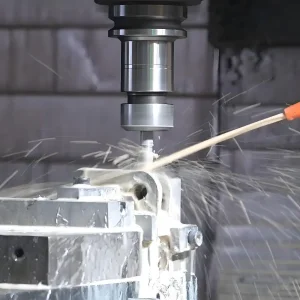
Providing custom multi-axis manufacturing solutions for leading aerospace, automotive, medical, and robotics enterprises.






 Creatingtec