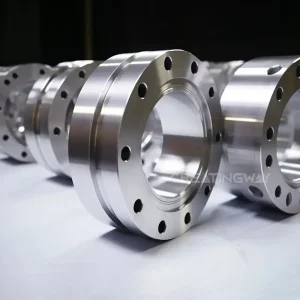
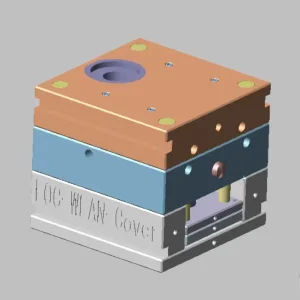
Advanced CNC Machined Components & Precision Assemblies
How Aluminium Machining is Reshaping Global Industrial Frontiers
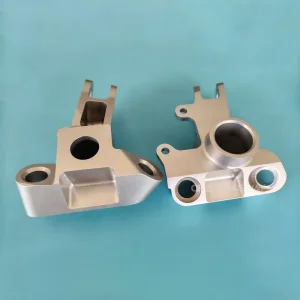
Aluminium 7075-T6 offers the strength of steel at a fraction of the weight. Our CNC machining for Aeroplane Shaft House parts focuses on vibration damping and high-stress fatigue resistance, essential for next-gen avionics.
With the rise of Electric Vehicles, aluminium's thermal conductivity is critical. We provide lightweight die-cast and machined housings for electronic control units (ECU) that ensure efficient heat dissipation for lithium-ion battery systems.
In the medical sector, biocompatibility and precision are non-negotiable. Our ODM services for medical device parts utilize anodized aluminium to withstand rigorous sterilization cycles while maintaining sub-micron tolerances.
Reducing inertial mass in robotic arms is key to speed and accuracy. Our machined aluminium components offer the perfect balance of stiffness and low weight for industrial cobots and surgical robotic systems.
Aluminium is 100% recyclable. We integrate green manufacturing processes, reducing material waste by up to 30% through advanced nesting algorithms and regenerative machining cycles.
High-frequency signal interference requires precision-shielded enclosures. Our CNC machining ensures EMI/RFI shielding effectiveness through tight-tolerance mating surfaces and specialized surface finishes.
A Strategic Overview of the Aluminium Machining Market
The global aluminium machining market is currently undergoing a transformative shift toward "High-Mix, Low-Volume" production. As supply chains diversify, the demand for agile manufacturing partners who can provide both rapid prototyping (1-3 days) and mass production is peaking. Creatingtec Manufacturing Limited stands at the intersection of this shift, leveraging 20+ years of mechanical engineering expertise to serve over 50 countries. The focus has moved from simple geometry to "Intelligent Components" where the machined part is an integrated thermal and structural solution.
Global Clients Served
Parts Delivered Annually
Years of Engineering Excellence
Precision Tolerance Control
Global Standards, Local Execution
We adhere strictly to ISO 9001:2015 and AS9100 standards, ensuring that every aluminium part meets the specific regulatory requirements of North American (FAA/FDA) and European (CE/REACH) markets.
Our localized support includes a deep-dive DFM analysis within 24 hours. We don't just quote; we optimize your CAD drawings to reduce costs and improve part performance before the first chip is cut.
With "Economical Air Freight" and "Same Day Delivery" options for local hubs, we minimize your lead times. We offer warehousing solutions for "Just-In-Time" (JIT) manufacturing needs for our long-term partners.
Integrated Services for Comprehensive Hardware Development
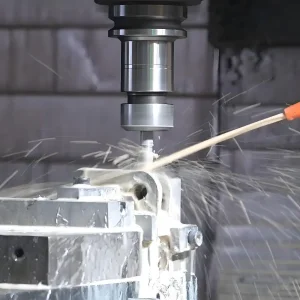
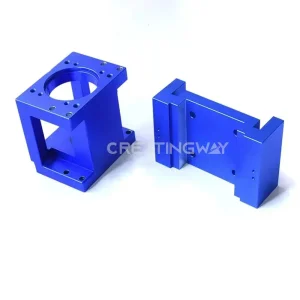
High precision, tight tolerance, and flexible delivery. We produce prototypes in 1-3 days and production parts with optional powder plating and anodizing in 4-5 days.
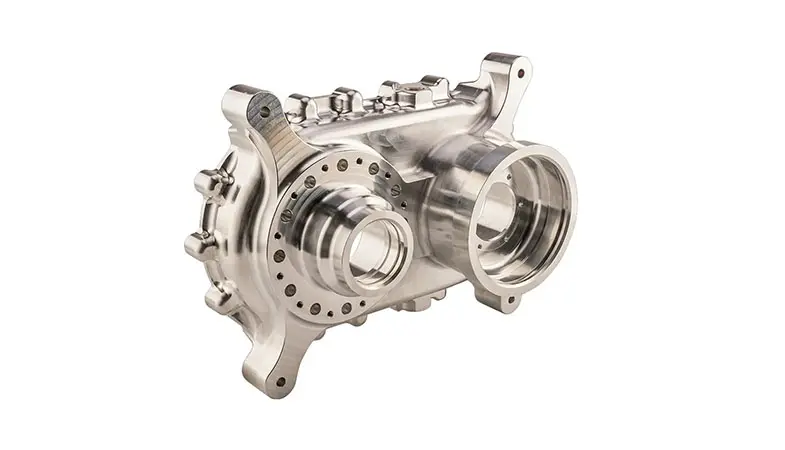
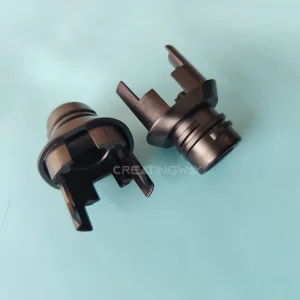
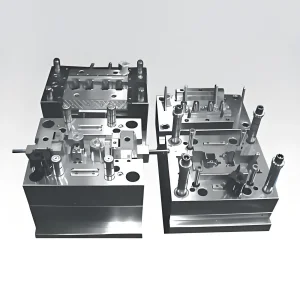
Scalable solutions for consumer electronics and medical housings. We specialize in complex tooling for USB end caps and button interfaces.
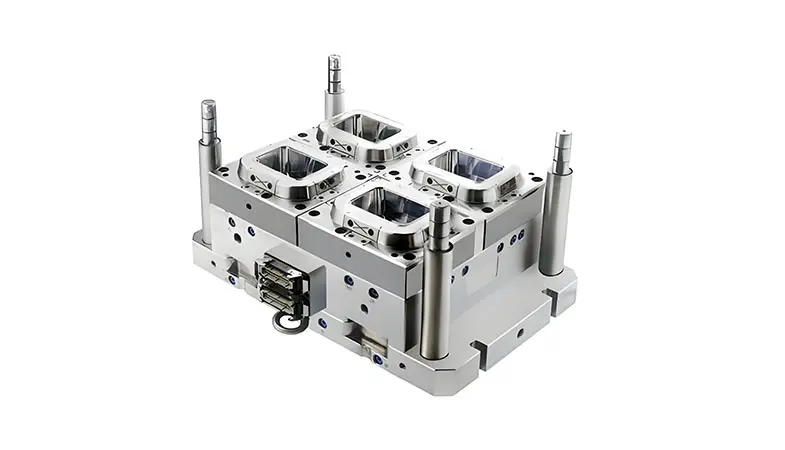
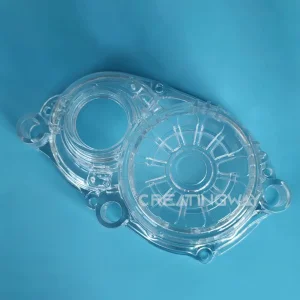
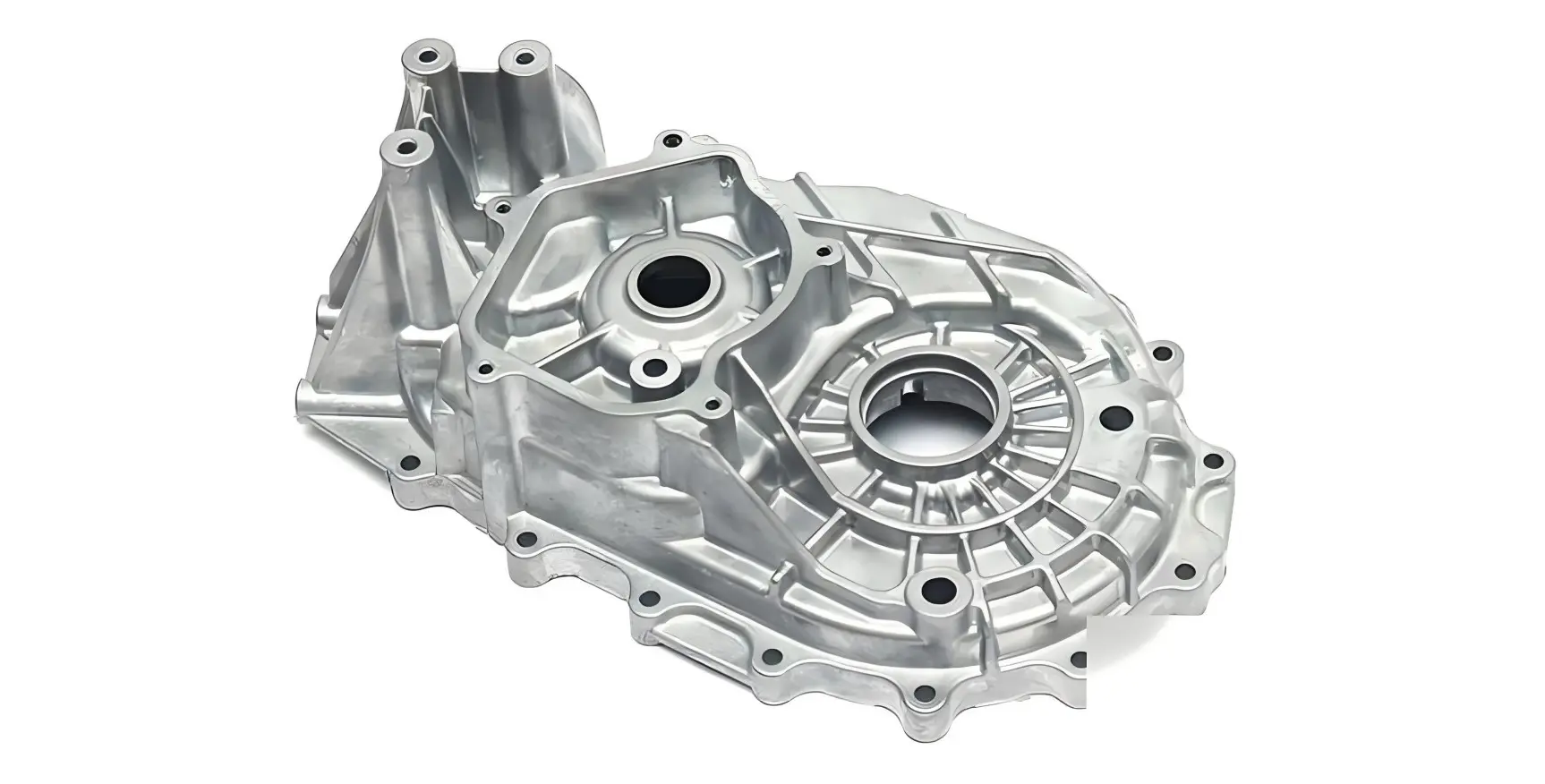
Optimized for high-volume electronic control housings. Our die-casting process ensures structural integrity and high-fidelity surface finishes for automotive applications.
The Evolution of Precision Machining at Creatingtec
Implementing machine-learning algorithms to predict tool wear and optimize tool paths for 5-axis machining, reducing cycle times by 15%.
Integrating 3D metal printing with CNC finishing to create internal cooling channels in aluminium heat sinks that are impossible with traditional machining.
Providing customers with a "Digital Twin" of their machined parts, including real-time quality data and material traceability logs via blockchain.
Expert Insights into Aluminium Machining & B2B Procurement
Precision Engineering Across Every Component
 Creatingtec