What is Thin-wall Aluminum CNC Machining and Its Benefits?

Time:2026-06-10 Author:Isabella
0%

Thin-wall aluminum CNC machining has become increasingly popular in many industries due to its numerous benefits. According to Dr. Emily Carter, a leading expert in CNC machining, "This technique allows for lightweight designs without compromising strength." Her insights highlight why companies are turning to this manufacturing method.

In the realm of aerospace and automotive industries, thin-wall aluminum parts can reduce weight and improve efficiency. These components are pivotal in enhancing overall performance. However, the precision required in thin-wall aluminum CNC machining poses challenges. Manufacturers must ensure they meet strict tolerances.

Despite its advantages, there are risks involved. The delicate nature of thin walls can lead to deformation during machining. Proper techniques and skilled labor can mitigate these issues. Investing in both technology and expertise is crucial for success. The challenges make this arena both exciting and complex, requiring continuous improvement and innovation.
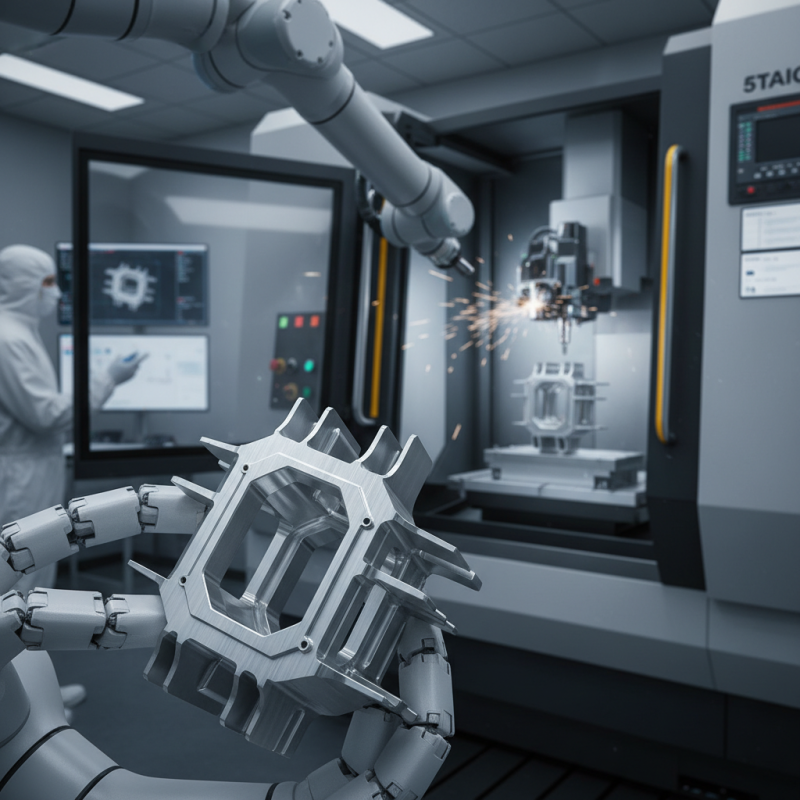
What is Thin-wall Aluminum CNC Machining and Its Benefits?

Definition of Thin-wall Aluminum CNC Machining

Thin-wall aluminum CNC machining is a precise manufacturing process that focuses on creating lightweight parts with thin walls. This method is often employed in industries requiring efficiency and high performance. Thin-wall components are valuable for reducing weight while maintaining structural integrity. The process involves using advanced CNC machinery to achieve intricate designs and dimensions.

When machining thin walls, the challenge lies in preventing deformation. Thin materials are more prone to bending and warping during the cutting process. It's crucial to select the right tooling and parameters to ensure accuracy. A well-designed fixture can also stabilize the workpiece during machining.

Tips: Regularly monitor your tools for wear. This helps maintain precision over time. Consider using coolant to reduce heat buildup, which can lead to material distortion. Most importantly, consider running small test pieces before full production. This aids in fine-tuning the setup and minimizing errors.

Key Characteristics of Thin-wall Aluminum Components

Thin-wall aluminum components are increasingly crucial in various industries. Their lightweight nature offers undeniable advantages. These parts maintain strength while reducing overall weight. This characteristic is vital for applications in aerospace, automotive, and electronics. Thin-walled structures can enhance performance, especially in energy efficiency. However, achieving optimal results poses challenges.

Precision is key in thin-wall aluminum CNC machining. The machining process must be exceptionally accurate. Thin walls can easily distort during the cutting process. Attention to detail is necessary to minimize imperfections. Engineers need to constantly assess the thickness to avoid weak points. Proper tooling and settings can greatly impact the final product's integrity.

Manufacturers also face the challenge of balancing strength and thickness. Too much thinning can compromise durability. On the other hand, insufficient thinning can negate weight benefits. Collaboration among engineers, machinists, and designers is essential for avoiding pitfalls. Continuous improvement and adaptation in techniques are necessary to perfect this process.

Advantages of Thin-wall Aluminum in CNC Machining

Thin-wall aluminum CNC machining is gaining popularity due to its unique advantages. This technique allows for the production of lightweight components that maintain structural integrity. The ability to create complex geometries is crucial in industries like aerospace and automotive. Engineers appreciate that thin-wall designs can reduce material usage, lowering costs significantly.

One significant benefit of thin-wall aluminum is its strength-to-weight ratio. Aluminum is inherently lighter than other metals, resulting in parts that are easier to handle. This characteristic is especially valuable in applications where every gram counts. Moreover, thin-wall machining leads to quicker cycle times. Less material means faster processing, which can accelerate production schedules.

However, there are challenges in thin-wall aluminum machining. Maintaining precision is essential but can be difficult due to lower rigidity. The risk of deformation necessitates careful design and tooling. Reflecting on this, it’s vital to invest in quality machines and skilled operators. Their expertise ensures the final products meet strict quality standards.

Benefits of Thin-wall Aluminum CNC Machining

Applications of Thin-wall Aluminum CNC Machining

Thin-wall aluminum CNC machining has found diverse applications across various industries. Its lightweight characteristics make it ideal for aerospace components. According to a report by MarketsandMarkets, the aerospace segment could reach a value of $7.4 billion by 2025, with thin-wall aluminum parts playing a crucial role. These components offer significant weight savings, which enhance fuel efficiency in aircraft.

In the automotive sector, this technology is becoming increasingly relevant. With a growing emphasis on electric vehicles (EVs), manufacturers seek ways to reduce weight while maintaining structural integrity. A study by Deloitte indicates that optimizing just one component can improve EV range by up to 5%. The use of thin-wall aluminum helps achieve this by minimizing mass without compromising safety. The challenge remains in balancing cost efficiency with performance, as high precision often leads to increased production expenses.

Medical device manufacturing also benefits greatly from thin-wall aluminum CNC machining. Devices like surgical instruments and diagnostic equipment require high precision and low weight. Research from Frost & Sullivan suggests that the global medical device market will hit $208 billion by 2026. While innovation is rapid, difficulties include sourcing quality material that meets industry standards. Manufacturers face ongoing pressure to adapt to new regulations while pursuing advanced techniques.

What is Thin-wall Aluminum CNC Machining and Its Benefits? - Applications of Thin-wall Aluminum CNC Machining

Dimension Value Benefit
Wall Thickness < 5 mm Reduces weight, increases efficiency
Type of Machining CNC Machining High precision and repeatability
Typical Tolerances ±0.01 mm Ensures quality and performance
Applications Aerospace, Automotive, Electronics Versatile use in high-tech industries
Material Cost Moderate Balancing cost with performance

Considerations for Designing Thin-wall Aluminum Parts

Designing thin-wall aluminum parts requires careful consideration of multiple factors. The wall thickness is critical, typically ranging from 0.5mm to 2mm. At these dimensions, structural integrity is essential. Engineers often face challenges related to ensuring strength while minimizing weight. Finite element analysis (FEA) plays a vital role here, allowing designers to predict potential failures before production. Reports indicate that effective use of FEA can reduce material costs by up to 30%.

Geometry also significantly impacts design. Complex shapes may cause difficulties during machining. Internal features like ribs or channels should be designed with appropriate tolerances. Consider the CNC capabilities; some designs may lead to undercuts or areas inaccessible to tooling. According to industry standards, designs should allow for at least 10% of wall thickness as a minimum clearance for tooling.

Material selection adds another layer of complexity. Not all aluminum alloys perform equally under machining stresses. Some alloys may warp under CNC machining conditions. Designers should consult with material specialists to select the best alloy for their specific applications. A common pitfall is overlooking the effects of cooling. Proper cooling strategies are vital to prevent thermal distortion during machining.

FAQS

: What are the advantages of thin-wall aluminum in CNC machining?

: Thin-wall aluminum offers lightweight components that maintain their structural integrity. It's essential in industries like aerospace and automotive.

How does thin-wall machining affect material costs?

This technique reduces material usage, resulting in significant cost savings. It allows for efficient production while maintaining quality.

What is the strength-to-weight ratio of thin-wall aluminum?

Aluminum is lighter than other metals, providing easier handling. This is crucial in applications where weight is a major concern.

Why is precision important in thin-wall aluminum machining?

Maintaining precision is vital due to lower rigidity. Poor design can lead to deformation during production, affecting the final product.

What role does finite element analysis (FEA) play in designing parts?

FEA helps predict potential failures, allowing engineers to optimize designs. This can reduce material costs significantly before production.

How does geometry influence the machining process?

Complex shapes may complicate machining. Designers need to consider tolerances for internal features to ensure accessibility for tooling.

What should be considered regarding aluminum alloy selection?

Not all alloys behave the same under machining stress. Consulting with experts ensures the right alloy choice for specific applications.

What common mistake do designers make?

Overlooking cooling effects can lead to thermal distortion. Proper cooling strategies are essential during machining processes.

Why is skilled operation important in thin-wall machining?

Skilled operators help maintain product quality and precision. Investing in quality machines and training is crucial for successful outcomes.

What is a consideration for wall thickness in designs?

Wall thickness typically ranges from 0.5mm to 2mm. It’s critical for ensuring strength while minimizing material use.

Conclusion

Thin-wall aluminum CNC machining refers to the process of using computer numerical control technology to shape and fabricate aluminum components with thin walls. This technique is characterized by its ability to produce complex geometries while maintaining precision and minimizing material wastage. Key characteristics of thin-wall aluminum components include their lightweight nature, high strength-to-weight ratio, and excellent thermal and electrical conductivity.

The advantages of thin-wall aluminum in CNC machining are numerous. It allows for reduced manufacturing costs, increased efficiency, and the production of intricate designs that meet stringent tolerances. Common applications of this machining process include the aerospace, automotive, and consumer electronics industries, where lightweight yet durable parts are essential. When designing thin-wall aluminum parts, considerations such as wall thickness, structural integrity, and machining capabilities must be taken into account to achieve optimal results. Overall, thin-wall aluminum CNC machining presents a compelling solution for modern manufacturing needs.


Isabella

Isabella

Isabella is a dedicated marketing professional with a sharp focus on driving brand growth and engagement through strategic content creation. With an extensive background in digital marketing, she combines her passion for storytelling with her keen understanding of industry trends to deliver......