Nickel-coated CNC components combine precise geometry with a functional surface finish. The coating can improve corrosion resistance, wear behavior, and appearance, depending on the substrate and process. Yet coating alone does not guarantee a durable part. Poor preparation or uneven deposition may affect fit, adhesion, and performance.
This guide introduces ten manufacturers associated with nickel-coated CNC machining parts. It considers practical factors such as machining capability, coating experience, quality controls, and communication. A useful supplier should explain how it manages critical dimensions before and after plating. Ask about coating thickness, adhesion testing, surface inspection, and documentation for each production run. Small details matter. A few microns can change how a shaft seats in a bearing or how a threaded component assembles. The phrase “Nickel Coating Cnc Maching Part” may appear in searches, but buyers should confirm the exact process and finish they need.
Manufacturer lists are starting points, not proof of suitability. Capabilities vary by material, geometry, order size, and specification. One company may handle prototypes well but struggle with repeat volume. Another may offer strong coating controls yet require longer lead times. That trade-off deserves attention. Compare drawings, sample parts, tolerances, and inspection reports before making a decision. Where requirements are unclear, ask the supplier to identify assumptions rather than quietly proceed. This overview aims to support a more informed shortlist, while recognizing that independent verification remains essential.
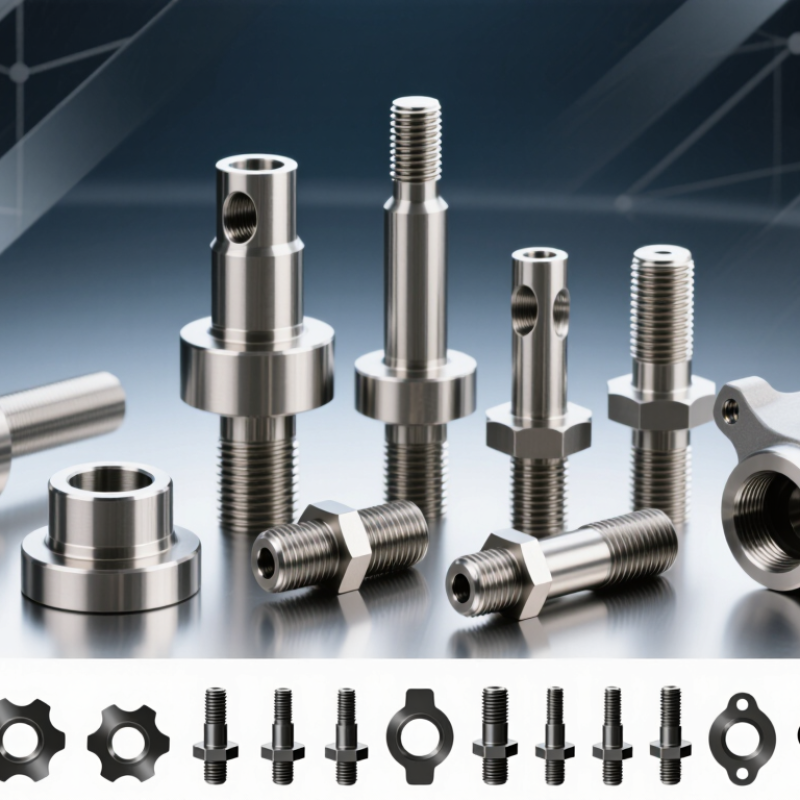
Nickel-Coated CNC Parts: Definitions and Scope
Nickel-coated CNC parts are components machined from a base material and then given a nickel surface layer. The substrate may be steel, aluminum, copper, or another machinable material; the part is not necessarily solid nickel.
That distinction matters.
Electrolytic nickel uses an electric current to deposit the coating, while electroless nickel deposits it through a chemical process. Each method can produce different thickness uniformity and surface properties. In either case, coating thickness may affect fit, especially on small bores, threads, and mating faces.
Not always.
The term’s practical scope includes both the machining work and the coating requirements. A drawing should identify the coating type, thickness, areas to be masked, and dimensions required after coating. In practice, specifications sometimes say only “nickel finish,” which leaves room for costly assumptions.
That wording deserves a second look.
Inspectors may check coating thickness, coverage, appearance, and critical dimensions, but suitable tests depend on the part’s purpose. A bright surface alone does not prove consistent protection. For a precision shaft, for example, even a thin deposit can change clearance. Requirements should reflect the operating environment and the actual contact surfaces, not just a desired appearance.
How Nickel Coating Enhances CNC-Machined Components
How Nickel Coating Enhances CNC-Machined Components
Nickel coating gives CNC-machined parts a protective surface without changing their core material. It can improve resistance to corrosion, wear, and repeated handling. On a machined valve stem, for example, a thin nickel layer can help protect edges exposed to moisture and friction. Electroless nickel deposits evenly across complex shapes, including recessed channels, where line-of-sight processes may leave thinner coverage. That matters for small components with tight clearances. Still, coating is not magic.
The economic stakes are substantial. NACE International’s 2016 IMPACT study estimated corrosion costs at US$2.5 trillion annually, or 3.4% of global GDP. That figure covers many industries, but it shows why surface protection deserves attention during part design.
Nickel coating thickness, alloy composition, and post-treatment affect performance, so specifications should match the operating environment. A coating selected for a dry indoor fitting may not suit a salt-spray environment. Also, plating adds material to dimensions; designers should allow for it on bearing seats and threaded features. Small tolerances can disappear quickly. A practical test plan should check coating thickness, adhesion, and corrosion resistance on representative parts, not just a convenient flat coupon. Even then, results may not capture every real-world scratch or assembly mistake.
Criteria for Evaluating Nickel Coating Manufacturers
When evaluating nickel coating manufacturers for CNC machined parts, look beyond a bright, even surface. A smooth finish can still hide poor adhesion or uneven coverage. Ask how parts are cleaned, activated, and coated, especially around holes, threads, and sharp edges. These areas can collect residue or receive less consistent deposits.
Request coating-thickness measurements and clarify where they are taken. A reading on a broad, flat face may not represent a narrow bore. Check whether the supplier can work within your part’s dimensional tolerances, since nickel buildup can affect fits and threaded connections. Ask how thickness, adhesion, and corrosion resistance are verified, and request sample inspection records when available. Details matter.
Manufacturing discipline is only part of the assessment. Review material traceability, documented process controls, and how deviations are reported. A useful supplier will discuss the part’s geometry and service conditions before recommending a coating specification. Test sample parts under realistic handling or operating conditions when the application allows. This takes time. It may also reveal that the original coating requirement needs adjustment. Clear communication, including honest limits, is a stronger signal than an impressive finish alone.
Nickel Coating CNC Parts: Typical Hardness Ranges
Coating hardness is one technical criterion to discuss with a manufacturer when evaluating nickel-coated CNC parts. The ranges shown are indicative industry values, not guarantees; actual results depend on coating composition, process, thickness, and test conditions. Confirm requirements and test methods with the supplier.
Top 10 Nickel Coating CNC Machining Parts Manufacturers
Choosing among the Top 10 Nickel Coating CNC Machining Parts Manufacturers requires more than comparing machine lists. Check whether each supplier controls machining, surface preparation, coating, and final inspection. Ask for coating type, thickness range, hardness data, and evidence of adhesion testing. Electroless nickel can cover complex shapes evenly, while electroplated nickel may need closer attention around edges and recesses. Details matter.
The World Stainless Association reported 58.4 million tonnes of global stainless steel production in 2023. That figure reflects the scale of nickel-bearing materials in manufacturing, but it is not a direct measure of nickel-coated part demand. For coating specifications, ASTM B733 provides a recognized reference for autocatalytic nickel-phosphorus coatings. A capable manufacturer should connect the chosen specification to the part’s wear, corrosion, and dimensional needs.
Look closely at inspection records. A few microns of added coating can affect a tight bore or thread, so request measurements on actual production parts, not only a sample coupon. Also compare batch traceability, rework policies, and delivery consistency. A polished sample proves little. One practical limitation: published capability charts rarely show performance on your exact geometry. Send a drawing and ask how the supplier will verify critical dimensions after coating.
How to Choose a Manufacturer for Your Project’s Needs
Choosing a nickel-coating CNC machining partner starts with the part’s operating conditions, not a polished sales brochure.
Share the drawing, base material, expected production volume, and exposure to moisture or chemicals. Ask whether the supplier recommends electroless nickel or electrolytic nickel, and why. The right process depends on the application. Small details matter.
Confirm how coating thickness affects critical dimensions, threads, and mating surfaces. A few microns can change a close fit. Ask for documented thickness measurements, adhesion checks, and inspection records from comparable parts. If corrosion resistance matters, request test methods and acceptance criteria rather than a broad promise. Ask for evidence. A sample run can reveal issues that a quote cannot, though it may add time and cost.
Assess machining and plating as connected steps. Who checks burrs and surface finish before coating? How are parts cleaned, handled, and protected during transport? Clear answers suggest controlled work, but vague answers deserve follow-up. Review the supplier’s material traceability, inspection equipment, and ability to manage revisions. Compare quotes by tolerances, coating specifications, lead time, and rejected-part handling, not price alone. I would still leave room for doubt: even a detailed process plan cannot predict every defect, so agree on a practical first-article review before releasing a full order.
Conclusion
This article explains what nickel-coated CNC parts are and how the term covers precision-machined components finished with a nickel layer. It describes how nickel coating can improve surface durability, corrosion resistance, wear performance, and appearance, while noting that the right results depend on the part’s material, design, and intended use. A Nickel Coating Cnc Maching Part should be evaluated not only by its coating but also by the accuracy and consistency of its underlying machining.
The article also presents practical criteria for assessing manufacturers, including machining capabilities, coating-process control, quality inspection, communication, and production flexibility. Its overview of ten manufacturers is intended to help readers compare potential suppliers, while the final section explains how to match a manufacturer to project requirements such as part complexity, order volume, performance expectations, budget, and delivery schedule.

 Creatingtec