Anodized aluminum material has become a popular choice for various projects due to its durability and aesthetic appeal. According to industry expert Dr. Emily Johnson, "Choosing the right anodized aluminum material can significantly impact the success of your project." Her insight highlights the importance of making informed decisions.
When selecting anodized aluminum, consider its thickness and color options. Different applications may require varying levels of corrosion resistance and finish. For instance, outdoor structures often benefit from thicker anodizing for enhanced protection. However, some may overlook these specifics, leading to less effective outcomes.
Understanding the various anodizing processes is essential as well. While traditional anodizing has benefits, advanced methods offer improved properties. Unfortunately, not all manufacturers provide clear information on these processes. By asking the right questions, you can ensure the material meets your project’s needs effectively. Therefore, careful consideration of anodized aluminum material is crucial for project success.
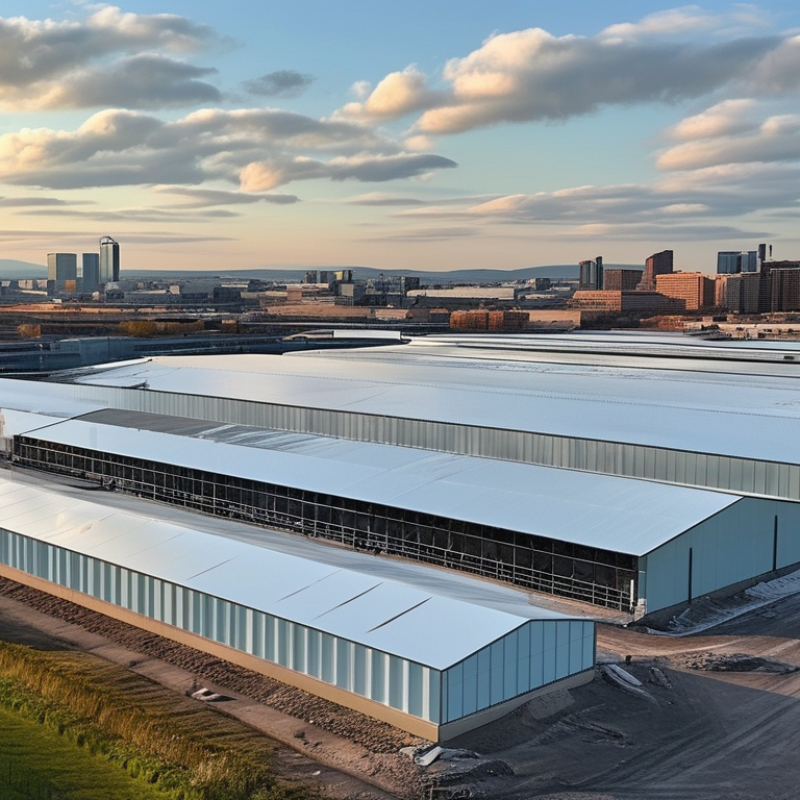
Anodized aluminum is known for its unique properties. It has a thicker oxide layer that enhances corrosion resistance. This means projects can withstand various environmental conditions. The anodization process also allows for vibrant color options, making it visually appealing. This versatility is a key reason many professionals prefer it over raw aluminum.
In addition to aesthetics, anodized aluminum is durable. It resists scratches and fading, ensuring long-lasting quality. Projects that utilize this material often require less maintenance. However, it’s essential to choose the right anodized aluminum for specific applications. Not all anodized finishes offer the same levels of protection. Evaluating the intended use is vital.
A drawback to consider is the cost. Anodized aluminum can be pricier than other materials. Budget constraints may limit options in some cases. Understanding these trade-offs can aid in decision-making. Overall, careful selection based on properties can lead to project success.
This chart illustrates the key properties of anodized aluminum and their effectiveness as a percentage. Understanding these properties helps in selecting the right anodized aluminum material for various projects.
When selecting anodized aluminum for your projects, several key factors are crucial. Consider the thickness of the anodized layer. A thicker layer offers better corrosion resistance and durability. For exterior applications, a thickness of 25 microns is often recommended. However, if weight is a concern, you may opt for a thinner layer, but be aware of potential durability issues.
Surface finish is another important aspect. Anodized aluminum can come in various finishes like matte or glossy. Each finish has its aesthetic implications and can affect maintenance. A glossy finish looks sleek but might show scratches more easily. On the other hand, a matte finish can hide imperfections but may not have the same visual appeal. Think about the project's intended use and the environment where the material will be. The right finish can enhance longevity.
Lastly, color options should not be overlooked. Anodized aluminum can be dyed in multiple colors, allowing for design flexibility. However, not all colors provide the same level of UV resistance. Darker colors may fade faster under direct sunlight. Weigh these details carefully, as they can profoundly impact the project's outcome. Testing different materials can reveal unanticipated results. It’s wise to consider trial samples before finalizing your choice.
| Factor | Description | Considerations |
|---|---|---|
| Thickness | Refers to the layer of anodizing on the aluminum surface. | Thicker coatings provide better corrosion resistance but may affect finish and cost. |
| Color | Anodized aluminum can be dyed in various colors. | Choose a color based on aesthetic preference and environmental factors. |
| Finish | Surface finish options include matte, glossy, and textured. | Select a finish that matches the project’s function and style requirements. |
| Corrosion Resistance | Anodization enhances aluminum's natural corrosion resistance. | Consider the environmental conditions the aluminum will face. |
| Weight | Anodized aluminum is lightweight, making it ideal for various applications. | Ensure weight is appropriate for the project’s design and functional needs. |
| Cost | Cost can vary based on thickness, finish, and color. | Balance quality and budget constraints for optimal selection. |
When choosing anodized aluminum for your projects, various anodized finishes can impact both appearance and functionality. Anodizing enhances corrosion resistance and allows for vibrant color options. There are multiple types of anodized finishes, each suitable for different applications.
Type II anodized finishes provide a standard level of protection. They are often used in architectural applications and consumer products. These finishes are durable and available in a range of colors. On the other hand, Type III finishes offer a thicker layer that enhances wear resistance. This makes them ideal for components exposed to harsh environments, like automotive or aerospace parts.
Tips: Consider the end use of the aluminum. If high wear resistance is required, opt for Type III. Additionally, color choice can influence the thermal properties of the material. Lighter colors reflect heat better, while darker colors absorb it. Testing your chosen finish is advisable to ensure it meets performance expectations. Think carefully about where and how the anodized aluminum will be used.
Anodized aluminum is increasingly popular due to its durability and lightweight nature. However, it's essential to assess its environmental impact. The anodizing process involves using electricity to enhance aluminum’s natural oxide layer. While this process is relatively low in emissions, it does require energy. Using renewable energy sources for anodizing can significantly reduce its carbon footprint.
Moreover, anodized aluminum boasts impressive durability, making it suitable for various projects. It resists corrosion and wear, extending product lifespans. Yet, some companies still produce anodized aluminum through methods that harm the environment. Choosing manufacturers who prioritize sustainable practices is critical. This requires diligent research and perhaps even difficult choices regarding project budgets.
In projects, considering both durability and environmental impact is paramount. Anodized aluminum may seem like a great option, but it’s important to think critically. Look beyond the surface and evaluate all aspects of the material you choose. The right decision often involves complex trade-offs. Are you willing to invest in quality and sustainability? Reflecting on this can lead to better outcomes.
When budgeting for anodized aluminum projects, determining factors include material costs and processing fees. Anodized aluminum is popular due to its durability and aesthetic appeal. However, it is crucial to account for the entire lifecycle of the material. Many overlook post-production costs, like machining or finishing processes. These can inflate your initial budget unexpectedly.
Consider the intended use of the aluminum. Heavier, custom designs may increase costs significantly. While the finish may enhance appearance, it often comes with added expense. Research different anodizing techniques. Some methods might be more cost-effective than others. However, compromising quality for price can lead to regrets later on.
Also, factor in the supplier's reliability. Not all suppliers maintain the same quality standards, and cheaper options may not last. A skilled supplier can provide insights that prevent costly mistakes. They might suggest alternative materials if anodized aluminum exceeds your budget. Be open to feedback and adjust your plans accordingly. Flexibility often leads to better long-term outcomes.
: Anodized aluminum is aluminum with a thicker oxide layer. This layer improves corrosion resistance significantly.
The anodization process allows for vibrant color options. It offers various finishes for aesthetic flexibility.
Anodized aluminum is durable. It resists scratches and fading, leading to long-lasting projects, but choose wisely.
A thickness of 25 microns is recommended for exterior use. Thinner layers may not offer the same durability.
Surface finishes, like matte or glossy, impact aesthetics and maintenance. Glossy finishes may show scratches easily.
Color choices are important. Darker colors may fade faster in sunlight. Always check UV resistance when selecting colors.
Anodized aluminum can be more expensive than other materials. Budget constraints may limit options in some projects.
No, not all anodized finishes provide the same protection. Evaluating the specific application is essential for success.
Testing materials can reveal unexpected results. Trial samples help ensure the best selection for your project needs.
Anodized aluminum typically requires less maintenance. However, the chosen finish can influence how often you clean it.
Choosing the right anodized aluminum material for your projects involves understanding its unique properties and benefits. Anodized aluminum is known for its enhanced corrosion resistance, increased durability, and aesthetic appeal, making it ideal for various applications. When selecting this material, key factors include the specific requirements of your project, the environment in which it will be used, and the desired finish. Different anodized finishes can significantly affect the final look and performance, so it's essential to assess these options carefully.
Additionally, evaluating the environmental impact, durability, and overall cost of anodized aluminum is crucial for effective budgeting. By considering these elements, you can ensure that your choice not only meets your project needs but also aligns with sustainability goals, ultimately leading to a successful outcome in your endeavors.

Creatingtec
