Choosing China’s best Alodine CNC machining parts supplier takes more than comparing prices. Buyers must assess machining accuracy, alloy traceability, coating consistency, and inspection records. Small details matter. A thin, uneven conversion coating around a milled edge can undermine corrosion protection, even when the part looks clean.
Grand View Research’s CNC machining market report estimates that the global market reached about USD 67.5 billion in 2023 and projects continued growth through 2030. That expansion increases supplier choice, but it does not guarantee process control. For Alodine Cnc Machining Part sourcing, ask how the supplier controls surface preparation, coating coverage, drying, and final inspection. Request sample parts and measurable acceptance criteria. A polished brochure is not proof.
Surface-treatment authority S. Wernick, co-author of The Surface Treatment and Finishing of Aluminium, is a useful reference for understanding aluminum finishing. The following is a concise paraphrase of the practical lesson in that technical field, not a verbatim quotation: “A conversion coating performs only as well as the preparation and control behind it.” That distinction deserves attention. Even a capable factory may need tighter checks for a new alloy, geometry, or production volume. This guide compares supplier capabilities, documentation, and communication, while recognizing that no single ranking fits every project. The right choice depends on your part’s function, finish requirements, and verification needs.
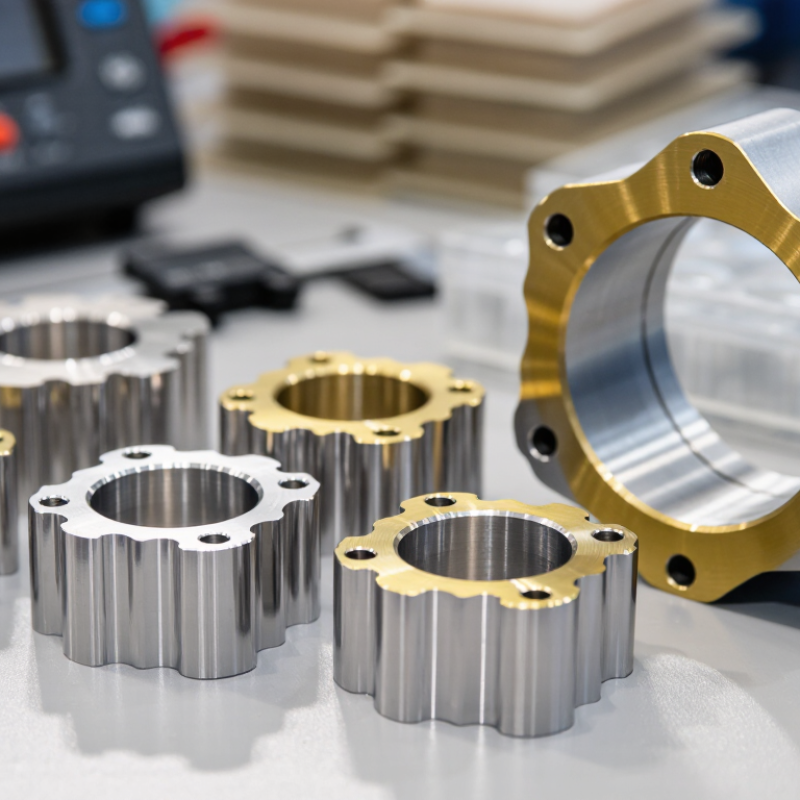
What Alodine Finishing Means for CNC Machined Parts
For aluminum CNC parts, Alodine finishing generally refers to a chemical conversion coating. It reacts with the surface rather than forming a thick paint layer. The result is a thin film that helps slow corrosion while preserving the part’s shape and, for some coating types, electrical conductivity. Preparation matters. Oil, chips, and uneven cleaning can leave visible marks or weak spots. The coating will not hide machining lines.
This finish can suit housings, brackets, and panels exposed to handling or humid conditions. It is especially useful where a thick coating could interfere with close-fitting features. Still, check critical dimensions and electrical requirements against the specified process; performance varies with coating type and application. A 2016 NACE International IMPACT study estimated corrosion costs at US$2.5 trillion annually, or 3.4% of global GDP. That figure covers many industries, not this coating alone, but it shows why corrosion control deserves attention.
Tips: Tell your supplier which surfaces need masking, especially threads and electrical contact points. Share the alloy and drawing requirements before production. Inspect color and coverage, but do not treat appearance as proof of protection. A small test batch can reveal issues early.
CNC machining gives aluminum parts their shape, hole locations, and mating surfaces. Alodine treatment then forms a thin chemical conversion coating on the exposed aluminum. It is not a thick layer, so it usually adds little to dimensions compared with many other finishes. Small details matter.
Before treatment, remove chips, burrs, and machining oils. A trapped oil film can leave pale patches or uneven coverage. Clean parts are rinsed and treated under controlled conditions, then rinsed again and dried. Bath concentration, temperature, and contact time affect the result, so operators should follow the process specification and inspect representative parts.
The coating can improve corrosion resistance and provide a useful base for paint. In some applications, it also helps preserve electrical contact, but performance depends on the specified coating and service conditions. Masking may be needed on threads, bearing fits, or tight interfaces. CNC tolerances still deserve review: even a thin film can matter where clearance is extremely small. A practical supplier should confirm the alloy, finish requirement, inspection method, and any critical areas before production. And be honest about limits; conversion coating is not a substitute for sound design or maintenance.
| Process Stage | Key Data Dimension | Typical Information | Design and Quality Considerations |
|---|---|---|---|
| Material selection | Substrate compatibility | Chromate conversion coatings are commonly used on aluminum and aluminum alloys. The alloy and temper should be identified on the part drawing or purchase specification. | Confirm that the selected alloy and the required coating specification are compatible before machining begins. |
| CNC machining | Geometry and dimensional control | CNC milling and turning create the part’s features, such as holes, pockets, slots, threads, and reference surfaces. Achievable tolerances depend on the feature, material, machine setup, and inspection method. | Specify critical dimensions and geometric tolerances on the drawing. Do not assume a general machining tolerance applies to every feature. |
| Pre-treatment | Cleaning and surface condition | Before conversion coating, parts are typically cleaned to remove machining oils, residues, and contaminants. Surface preparation may include additional cleaning or deoxidizing steps, depending on the process. | Residual oil, inconsistent surface preparation, or handling contamination can affect coating uniformity and adhesion. |
| Alodine / chemical conversion treatment | Protective film formation | The treatment chemically forms a thin conversion layer on the aluminum surface. Unlike anodizing, it does not create a comparatively thick oxide layer by an electrolytic process. | Because the layer is thin, it generally has limited dimensional impact, but critical fits and contact surfaces should still be reviewed against the coating specification. |
| Coating specification | Type and performance class | MIL-DTL-5541 is a commonly referenced specification for chemical conversion coatings on aluminum. It identifies Type I coatings containing hexavalent chromium and Type II coatings that do not contain hexavalent chromium; Class 1A emphasizes corrosion protection, while Class 3 is intended for low electrical resistance. | State the required specification, type, class, and any applicable revision on the drawing or purchase order. Confirm regulatory and end-use requirements for the selected chemistry. |
| Masking and contact areas | Threads, bores, and electrical interfaces | Some surfaces may need masking or specific treatment instructions, especially where electrical contact, sealing, or precise fit is required. | Identify keep-out areas and functional contact surfaces clearly. Agree on masking and racking points before production. |
| Inspection and verification | Dimensions, appearance, and documentation | Inspection may include dimensional checks, visual examination, and review of process or compliance records required by the order. | Define acceptance criteria, sampling level, required certificates, and traceability expectations in advance. Visual appearance alone does not establish coating performance. |
| Supplier evaluation | Process coordination | A capable supplier should coordinate machining, cleaning, coating, masking, inspection, packaging, and documentation as connected steps. | Ask how the supplier controls outsourced finishing, prevents handling damage, verifies drawing requirements, and manages nonconforming parts. |
Note: Process details and acceptance requirements vary by alloy, drawing, coating specification, and end-use environment. Confirm the applicable requirements with the customer and finishing provider before production.
A capable Chinese supplier should show how machining and chemical-conversion coating are controlled as one process. Ask for a recent inspection report, coating records, and traceability linking each batch to its material certificate. Check whether the supplier can hold your drawing’s critical dimensions before and after coating. Small holes and sharp edges deserve attention; coating buildup can affect fit. Ask for evidence.
For aluminum conversion coatings, compare the supplier’s written process with the applicable requirements of ASTM B449, then confirm the required coating class and inspection method on your purchase documents. Request sample panels or parts from a representative production run, not only polished demonstration pieces. Review coating appearance, coverage, and test results alongside dimensional measurements. The 2024 Deloitte–Manufacturing Institute study estimated that U.S. manufacturing could need 3.8 million workers by 2033, with 1.9 million roles potentially unfilled. That figure is not a measure of any supplier’s performance, but it reinforces the value of checking operator training, process documentation, and backup coverage. A certificate alone cannot reveal every weak batch. Ask how nonconforming parts are isolated, reported, and corrected, and whether the supplier will share records before shipment.
A capable CNC supplier treats coating quality as a process, not a final visual check. For conversion-coated aluminum parts, inspectors should verify alloy, machining dimensions, surface preparation, coating coverage, and corrosion-test results. Each batch needs a clear link between its material certificate, work order, inspection records, and shipment. A neat surface can still hide poor preparation.
Testing should match the part’s function. Suppliers may use coating-weight checks, visual inspection, dimensional measurement, and salt-spray testing when specified. They should record test methods, acceptance criteria, equipment calibration, and any rejected samples. ASTM B117 defines a salt-spray test method, but passing it does not predict service life in every environment. Context matters.
Traceability is practical, not paperwork theater. ISO’s 2022 Survey counted 1,265,216 valid ISO 9001 certificates worldwide; certification alone does not prove control of an individual batch. Deloitte and MAPI’s 2024 smart-manufacturing survey found that 86% of respondents expected smart manufacturing to drive competitiveness within five years. Digital records can help, but only when operators enter accurate data. A missing lot number can break the trail. Suppliers should be able to retrieve a part’s inspection history quickly, then explain any gap honestly. Even good systems need human review.
When selecting a supplier in China for Alodine CNC machining parts, start with the drawing and the coating requirements. Ask whether the shop controls machining and surface treatment, or coordinates with a separate finishing facility. That affects scheduling and responsibility if dimensions change after coating. Small details matter.
Send a complete drawing with material grade, critical tolerances, thread details, and required coating specification. State which surfaces must remain uncoated, such as grounding points or close-fitting bores. Identify the required color and corrosion performance where applicable. Keep it explicit. “Standard finish” can mean different things to different suppliers.
Before placing a production order, request a quotation showing unit price, tooling charges, sample timing, production lead time, and packing method. For a first order, consider a small sample batch. Check dimensions after finishing, since coating can affect fit. Ask for inspection records and photos of masked areas. I would rather clarify one detail twice than discover a mismatch after shipment; drawings still leave room for interpretation.
It forms a thin film by reacting with the aluminum surface. It is not a paint layer.
No. Fine tool lines may remain visible, and uneven cleaning can leave spots. I would not expect a smooth surface to conceal them.
Housings, brackets, and panels may benefit, especially in humid conditions or during frequent handling. The finish adds little thickness.
Some coating types preserve electrical conductivity, but results vary. Check critical dimensions and contact points against the specified process.
Share the aluminum alloy, drawing requirements, and surfaces that need masking. Point out threads and electrical contact areas.
Checks may include visual coverage, dimensions, coating weight, and corrosion testing. A neat appearance alone proves little.
Not reliably. The test uses defined conditions, which may differ from the part’s real environment.
Keep material certificates, work orders, inspection results, and shipment details linked by batch. A missing lot number can break that trail.
No. Certification does not prove that a specific batch was prepared correctly. Review its records, and ask about any gaps. Even good systems need human checks.
This article explains how Alodine finishing can enhance CNC-machined parts by providing a protective conversion coating while preserving the component’s dimensions and, where required, its electrical conductivity. It outlines how machining and surface treatment work together, from defining material and performance requirements to preparing, treating, and inspecting each part. Understanding this process helps buyers specify an Alodine Cnc Machining Part that suits its intended application.
The guide also describes practical criteria for evaluating Chinese suppliers, including machining capabilities, finishing experience, communication, production capacity, and quality controls. It discusses inspection methods, testing records, and traceability practices that help verify consistency from order to delivery. Finally, it presents a clear approach to selecting a supplier and placing an order: provide drawings and specifications, confirm finish and acceptance requirements, review samples or inspection plans when appropriate, and agree on packaging, lead time, and shipping details.

Creatingtec
